Natural Asexual reproduction
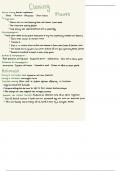
Cloning
:
-
Bulbs-Runners-Rhizomes -
Stem tubers
↳
Sugar Cane :
"Make a cut in a non-flowering stem and remove some leaves
-Use a hormone
rooting powder
3
keep Cutting well watered and cover with a plasticbag
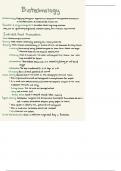
micropropogation :
↳ used when plants do not produce many seeds ,
is
very rare ,
is
genetically modified with difficulty
1 .
Take a small sample of meristem tissue
.
2
Sterilise it
.
3
Place it in a Sterile Culture medium with hormones to form a calus (mass of identical (ens)
4
be mediums and
spread to genetically identical
.
Cell Clumps can new culture will plant lets
grow
3
Plantlets are transferred to proper growth
.
compost to allow
Benefits of micropropogation :
·
Rapid production and high yield Disease free plants Seedless fruits .
Grow rare or sterile plants
Drawbacks of micropropogation :
monoculture Expensive and complex ·
Vulnerable to mould .
Disease will affect an clones produced
Cloning in invertibrates :
Limb
regeneration and done production
in vertibrates
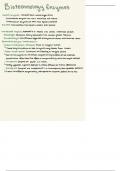
Cloning Monozygotic twins
:
Artificial twinning Often used to produce optimal :
offspring in livestock
.
Eggs are removed and fertilised ,
2 .
Totipotent embryo ceus can then be split to form several identical embryos
.
3 The embryos are then implanted into
surrogate mothers
Somatic cell nuclear transfer Produces an identical
:
clone of an adult
organism
.
1
cell of desired animal is fused envocated egg cen with
with an an electrical pulse
embryo and be carried to term by a surrogate
2 This will develop into an mother
.
Cloning
:
-
Bulbs-Runners-Rhizomes -
Stem tubers
↳
Sugar Cane :
"Make a cut in a non-flowering stem and remove some leaves
-Use a hormone
rooting powder
3
keep Cutting well watered and cover with a plasticbag
micropropogation :
↳ used when plants do not produce many seeds ,
is
very rare ,
is
genetically modified with difficulty
1 .
Take a small sample of meristem tissue
.
2
Sterilise it
.
3
Place it in a Sterile Culture medium with hormones to form a calus (mass of identical (ens)
4
be mediums and
spread to genetically identical
.
Cell Clumps can new culture will plant lets
grow
3
Plantlets are transferred to proper growth
.
compost to allow
Benefits of micropropogation :
·
Rapid production and high yield Disease free plants Seedless fruits .
Grow rare or sterile plants
Drawbacks of micropropogation :
monoculture Expensive and complex ·
Vulnerable to mould .
Disease will affect an clones produced
Cloning in invertibrates :
Limb
regeneration and done production
in vertibrates
Cloning Monozygotic twins
:
Artificial twinning Often used to produce optimal :
offspring in livestock
.
Eggs are removed and fertilised ,
2 .
Totipotent embryo ceus can then be split to form several identical embryos
.
3 The embryos are then implanted into
surrogate mothers
Somatic cell nuclear transfer Produces an identical
:
clone of an adult
organism
.
1
cell of desired animal is fused envocated egg cen with
with an an electrical pulse
embryo and be carried to term by a surrogate
2 This will develop into an mother
.