10/10/23, 10:01 AM UNIT1 Bearing Capacity OF SOIL
UNIT - I BEARING CAPACITY OF SOIL
Definitions
Bearing capacity is the power of foundation soil to hold the forces
from the superstructure without undergoing shear failure or excessive
settlement. Foundation soil is that portion of ground which is subjected
to additional stresses when foundation and superstructure are
constructed on the ground. The following are a few important
terminologies related to bearing capacity of soil.
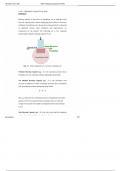
Fig. 7.1 : Main components of a structure including soil
Ultimate Bearing Capacity (qf) : It is the maximum pressure that a
foundation soil can withstand without undergoing shear failure.
Net ultimate Bearing Capacity (qn) : It is the maximum extra
pressure (in addition to initial overburden pressure) that a foundation
soil can withstand without undergoing shear failure.
qn = qf - qo
Here, qo represents the overburden pressure at foundation level and is
equal to үD for level ground without surcharge where ү is the unit
weight of soil and D is the depth to foundation bottom from Ground
Level.
Safe Bearing Capacity (qs) : It is the safe extra load the foundation
il i bj t d t i dditi t i iti l b d
about:blank 1/21
,10/10/23, 10:01 AM UNIT1 Bearing Capacity OF SOIL
Here, qo represents the overburden pressure at foundation level and is
equal to үD for level ground without surcharge where ү is the unit
weight of soil and D is the depth to foundation bottom from Ground
Level.
Safe Bearing Capacity (qs) : It is the safe extra load the foundation
soil is subjected to in addition to initial overburden pressure.
qn
qs qo F
Here. F represents the factor of safety.
Allowable Bearing Pressure (qa) : It is the maximum pressure the
foundation soil is subjected to considering both shear failure and
settlement.
Foundation is that part of the structure which is in direct contact with
soil. Foundation transfers the forces and moments from the super
structure to the soil below such that the stresses in soil are within
permissible limits and it provides stability against sliding and
overturning to the super structure. It is a transition between the super
structure and foundation soil. The job of a geotechnical engineer is to
ensure that both foundation and soil below are safe against failure and
do not experience excessive settlement. Footing and foundation are
synonymous.
Modes of shear failure
Depending on the stiffness of foundation soil and depth of foundation,
the following are the modes of shear failure experienced by the
foundation soil.
1. General shear failure (Ref Fig. 7.1a)
2. Local shear failure (Ref Fig. 7.1b)
3. Punching shear failure (Ref Fig. 7.1c)
about:blank 2/21
, 10/10/23, 10:01 AM UNIT1 Bearing Capacity OF SOIL
1. General shear failure (Ref Fig. 7.1a)
2. Local shear failure (Ref Fig. 7.1b)
3. Punching shear failure (Ref Fig. 7.1c)
Shear failure in foundation soil P – Δ curve in different foundation
soils
Fig. 7. 1 : Footing on ground that experiences a) General shear failure, b) Local
shear failure and c) Punching shear failure
General Shear Failure
This type of failure is seen in dense and stiff soil. The following are
some characteristics of general shear failure.
1. Continuous, well defined and distinct failure surface develops
between the edge of footing and ground surface.
2. Dense or stiff soil that undergoes low compressibility experiences
this failure.
3. Continuous bulging of shear mass adjacent to footing is visible.
4. Failure is accompanied by tilting of footing.
5. Failure is sudden and catastrophic with pronounced peak in P – Δ
curve.
6. The length of disturbance beyond the edge of footing is large.
7. State of plastic equilibrium is reached initially at the footing edge
and spreads gradually downwards and outwards.
8. General shear failure is accompanied by low strain (<5%) in a soil
with considerable Φ (Φ>36o) and large N (N > 30) having high
relative density (ID > 70%).
Local Shear Failure
This type of failure is seen in relatively loose and soft soil. The
f ll i h t i ti f l h f il
about:blank 3/21
UNIT - I BEARING CAPACITY OF SOIL
Definitions
Bearing capacity is the power of foundation soil to hold the forces
from the superstructure without undergoing shear failure or excessive
settlement. Foundation soil is that portion of ground which is subjected
to additional stresses when foundation and superstructure are
constructed on the ground. The following are a few important
terminologies related to bearing capacity of soil.
Fig. 7.1 : Main components of a structure including soil
Ultimate Bearing Capacity (qf) : It is the maximum pressure that a
foundation soil can withstand without undergoing shear failure.
Net ultimate Bearing Capacity (qn) : It is the maximum extra
pressure (in addition to initial overburden pressure) that a foundation
soil can withstand without undergoing shear failure.
qn = qf - qo
Here, qo represents the overburden pressure at foundation level and is
equal to үD for level ground without surcharge where ү is the unit
weight of soil and D is the depth to foundation bottom from Ground
Level.
Safe Bearing Capacity (qs) : It is the safe extra load the foundation
il i bj t d t i dditi t i iti l b d
about:blank 1/21
,10/10/23, 10:01 AM UNIT1 Bearing Capacity OF SOIL
Here, qo represents the overburden pressure at foundation level and is
equal to үD for level ground without surcharge where ү is the unit
weight of soil and D is the depth to foundation bottom from Ground
Level.
Safe Bearing Capacity (qs) : It is the safe extra load the foundation
soil is subjected to in addition to initial overburden pressure.
qn
qs qo F
Here. F represents the factor of safety.
Allowable Bearing Pressure (qa) : It is the maximum pressure the
foundation soil is subjected to considering both shear failure and
settlement.
Foundation is that part of the structure which is in direct contact with
soil. Foundation transfers the forces and moments from the super
structure to the soil below such that the stresses in soil are within
permissible limits and it provides stability against sliding and
overturning to the super structure. It is a transition between the super
structure and foundation soil. The job of a geotechnical engineer is to
ensure that both foundation and soil below are safe against failure and
do not experience excessive settlement. Footing and foundation are
synonymous.
Modes of shear failure
Depending on the stiffness of foundation soil and depth of foundation,
the following are the modes of shear failure experienced by the
foundation soil.
1. General shear failure (Ref Fig. 7.1a)
2. Local shear failure (Ref Fig. 7.1b)
3. Punching shear failure (Ref Fig. 7.1c)
about:blank 2/21
, 10/10/23, 10:01 AM UNIT1 Bearing Capacity OF SOIL
1. General shear failure (Ref Fig. 7.1a)
2. Local shear failure (Ref Fig. 7.1b)
3. Punching shear failure (Ref Fig. 7.1c)
Shear failure in foundation soil P – Δ curve in different foundation
soils
Fig. 7. 1 : Footing on ground that experiences a) General shear failure, b) Local
shear failure and c) Punching shear failure
General Shear Failure
This type of failure is seen in dense and stiff soil. The following are
some characteristics of general shear failure.
1. Continuous, well defined and distinct failure surface develops
between the edge of footing and ground surface.
2. Dense or stiff soil that undergoes low compressibility experiences
this failure.
3. Continuous bulging of shear mass adjacent to footing is visible.
4. Failure is accompanied by tilting of footing.
5. Failure is sudden and catastrophic with pronounced peak in P – Δ
curve.
6. The length of disturbance beyond the edge of footing is large.
7. State of plastic equilibrium is reached initially at the footing edge
and spreads gradually downwards and outwards.
8. General shear failure is accompanied by low strain (<5%) in a soil
with considerable Φ (Φ>36o) and large N (N > 30) having high
relative density (ID > 70%).
Local Shear Failure
This type of failure is seen in relatively loose and soft soil. The
f ll i h t i ti f l h f il
about:blank 3/21