Psychopathology
Definitions of abnormality
Psychopathology = scientific study of psychological disorders
Psychopathology
= scientific study of psychological disorders
● Focuses on classifying someone as ill (abnormal) - point of identifying abnormality is so we can
provide appropriate support to them
● Normal = usual and expected behaviors
1. Statistical infrequency
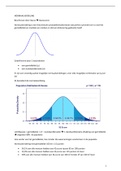
= abnormality is defined as those behaviors that are extremely rare (i.e. any behavior that is found in very
few people) is regarded as abnormal
● Descriptive statistics are used to represent the typical value so that we can focus on the atypical
values
● Use mean, median and mode to find out typical values (so that we can see numerically rare
values to define abnormality)
● If we can define normal then we can also have an idea of what is abnormal
● Numerically rare behavior is how someone is classified as abnormal in this method
● E.g. average shoe size of kids or typical age to have 1st baby
AO3
1. Point: Some abnormal behavior is desirable
Evidence: E.g. high IQ (over 150) is not normal but is desirable but some normal behaviors, like
depression, is not desirable
Explanation: There are some ‘normal’ behaviors which are undesirable (e.g. depression is relatively
common)
Link: Therefore, using statistical infrequency to define abnormality means that we cannot define
undesirable and desirable behaviors
2. Point: A limitation is that the cut off points are subjectively determined
Explanation: If abnormality is defined in terms of statistical infrequency then we have to decide where to
separate the normal from the abnormal values (e.g. one of the depression symptoms is difficulty sleeping
but some may think abnormal sleep is less than 6 hours a night but others may think it should be 5)
, Link: Therefore, these disagreements make it hard to define abnormality using statistical infrequency
● Help clinicians make diagnosis faster (strength)
2. Deviation from social norms
= defines abnormal behavior as a deviation from unstated rules about how one ‘ought’ to behave,
anything which violates these rules is considered abnormal
● Anyone who behaves differently (deviates) from these socially created norms is viewed as
abnormal
● The ‘abnormal’ behavior causes discomfort for the rest of the social group and followed by most
in those groups
● Some are desirable and some are not desirable
● Context has to be available as it can explain some abnormal behaviors
● E.g. polittness (e.g. not laughing at a funeral), homosexualoity was abnormal and a mental
disorder
AO3
1. Point: There are some strengths
Evaluation: This definition does distinguish between desirable and undesirable behavior which is a feature
that was absent from the statistical infrequency model. The social deviancy model also includes the effect
which behavior has on others, that abnormal behavior is behavior that damages others
Link: Therefore, this definition offers a practical and useful way of identifying undesirable behavior and it
can also help the individual to get help
2. Point: What is socially acceptable now may not have been 50 years ago
Explanation: For example, homosexuallity is acceptible now in most countries but in the past it was seen
as a sexual and gender identiy disorder. Also, 50 years ago in Russia anyone who disagreed with the way
the state was run was at risk of being seen as insane and put in a mental institution.
Evidence: Thomas Szasz claimed that mental illness was just a way to exclude nonconformists from
society
Link: Therefore, if we define abnormality in terms of deviation from social norms then we are in danger of
creating definitions based on social morals and attitudes
Definitions of abnormality
Psychopathology = scientific study of psychological disorders
Psychopathology
= scientific study of psychological disorders
● Focuses on classifying someone as ill (abnormal) - point of identifying abnormality is so we can
provide appropriate support to them
● Normal = usual and expected behaviors
1. Statistical infrequency
= abnormality is defined as those behaviors that are extremely rare (i.e. any behavior that is found in very
few people) is regarded as abnormal
● Descriptive statistics are used to represent the typical value so that we can focus on the atypical
values
● Use mean, median and mode to find out typical values (so that we can see numerically rare
values to define abnormality)
● If we can define normal then we can also have an idea of what is abnormal
● Numerically rare behavior is how someone is classified as abnormal in this method
● E.g. average shoe size of kids or typical age to have 1st baby
AO3
1. Point: Some abnormal behavior is desirable
Evidence: E.g. high IQ (over 150) is not normal but is desirable but some normal behaviors, like
depression, is not desirable
Explanation: There are some ‘normal’ behaviors which are undesirable (e.g. depression is relatively
common)
Link: Therefore, using statistical infrequency to define abnormality means that we cannot define
undesirable and desirable behaviors
2. Point: A limitation is that the cut off points are subjectively determined
Explanation: If abnormality is defined in terms of statistical infrequency then we have to decide where to
separate the normal from the abnormal values (e.g. one of the depression symptoms is difficulty sleeping
but some may think abnormal sleep is less than 6 hours a night but others may think it should be 5)
, Link: Therefore, these disagreements make it hard to define abnormality using statistical infrequency
● Help clinicians make diagnosis faster (strength)
2. Deviation from social norms
= defines abnormal behavior as a deviation from unstated rules about how one ‘ought’ to behave,
anything which violates these rules is considered abnormal
● Anyone who behaves differently (deviates) from these socially created norms is viewed as
abnormal
● The ‘abnormal’ behavior causes discomfort for the rest of the social group and followed by most
in those groups
● Some are desirable and some are not desirable
● Context has to be available as it can explain some abnormal behaviors
● E.g. polittness (e.g. not laughing at a funeral), homosexualoity was abnormal and a mental
disorder
AO3
1. Point: There are some strengths
Evaluation: This definition does distinguish between desirable and undesirable behavior which is a feature
that was absent from the statistical infrequency model. The social deviancy model also includes the effect
which behavior has on others, that abnormal behavior is behavior that damages others
Link: Therefore, this definition offers a practical and useful way of identifying undesirable behavior and it
can also help the individual to get help
2. Point: What is socially acceptable now may not have been 50 years ago
Explanation: For example, homosexuallity is acceptible now in most countries but in the past it was seen
as a sexual and gender identiy disorder. Also, 50 years ago in Russia anyone who disagreed with the way
the state was run was at risk of being seen as insane and put in a mental institution.
Evidence: Thomas Szasz claimed that mental illness was just a way to exclude nonconformists from
society
Link: Therefore, if we define abnormality in terms of deviation from social norms then we are in danger of
creating definitions based on social morals and attitudes