P4 – Review the regulations governing e-commerce
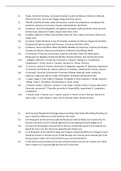
Data Protection Act (1984, 1998, 2000)
The DPA covers how personal information can be used and accessed. It is not limited to computer-based
information and can also cover most paper records. According to the law, the act is governed by eight
principles:
1. All data stored is fairly and lawfully processed
2. Any data is processed for limited and clearly declared purposes
3. The data is adequate, relevant and not excessive
4. All data is accurate and is maintained as such
5. No data is kept longer than necessary
6. Data about a person is processed in accordance with the individual’s rights
7. All data is kept secure
8. Data is not transferred abroad without adequate protection
Computer Misuse Act (1990) – The Computer Misuse Act focuses on how you use a computer system.
It is an act that defends other users from unnecessary attacks and information theft. The act deals with
three areas:
1. Unauthorised access to computer material such as usernames and passwords, data
configuration without permission and laying traps to obtain information.
2. Unauthorised access to a computer system with intention to commit or facilitate the
commission of a further offence, like creating a Trojan virus.
3. Unauthorised modification of computer material, including the distribution of viruses, as well
as the amendment of data to gain personal advantage such as bank account details.
Consumer Credit Act (1974) – This act covers people who have credit agreements from £100 to
£30,000. It enforces an agreement for both a creditor and debtor. For a business to be able to offer
trade using credit, they have to get a licence from the Office of Fair Trading; the act also enforces rules
for credit advertising, so no one is lied to. Traders are forced to show a total cost when lending money
as Annual Percentage Rate (APR).
Trading Standards – Trading Standards are an organisation that deals with businesses and customers to
ensure that all trading is done fairly and lawfully. For example, they make sure that businesses are not
serving alcohol or tobacco to underage customers. If they discover a business breaking the rules of the
Trading Standards, then legal problems will begin to arise for that business. The main way that Trading
Standards affect the e-commerce based businesses is by making sure that the business does not false
advertise products to potential customers in a desperate attempt to make sales.
Data Protection Act (1984, 1998, 2000)
The DPA covers how personal information can be used and accessed. It is not limited to computer-based
information and can also cover most paper records. According to the law, the act is governed by eight
principles:
1. All data stored is fairly and lawfully processed
2. Any data is processed for limited and clearly declared purposes
3. The data is adequate, relevant and not excessive
4. All data is accurate and is maintained as such
5. No data is kept longer than necessary
6. Data about a person is processed in accordance with the individual’s rights
7. All data is kept secure
8. Data is not transferred abroad without adequate protection
Computer Misuse Act (1990) – The Computer Misuse Act focuses on how you use a computer system.
It is an act that defends other users from unnecessary attacks and information theft. The act deals with
three areas:
1. Unauthorised access to computer material such as usernames and passwords, data
configuration without permission and laying traps to obtain information.
2. Unauthorised access to a computer system with intention to commit or facilitate the
commission of a further offence, like creating a Trojan virus.
3. Unauthorised modification of computer material, including the distribution of viruses, as well
as the amendment of data to gain personal advantage such as bank account details.
Consumer Credit Act (1974) – This act covers people who have credit agreements from £100 to
£30,000. It enforces an agreement for both a creditor and debtor. For a business to be able to offer
trade using credit, they have to get a licence from the Office of Fair Trading; the act also enforces rules
for credit advertising, so no one is lied to. Traders are forced to show a total cost when lending money
as Annual Percentage Rate (APR).
Trading Standards – Trading Standards are an organisation that deals with businesses and customers to
ensure that all trading is done fairly and lawfully. For example, they make sure that businesses are not
serving alcohol or tobacco to underage customers. If they discover a business breaking the rules of the
Trading Standards, then legal problems will begin to arise for that business. The main way that Trading
Standards affect the e-commerce based businesses is by making sure that the business does not false
advertise products to potential customers in a desperate attempt to make sales.