Practical 8
Antimicrobial properties of plant extracts
To investigate the antibacterial properties of plants.
Hypothesis:
The zone of inhibition will be larger for garlic compared to mint.
Mint has natural antiseptic properties that help to fight bacteria growth and prevent infections. Mint also contains
high levels of antioxidants to help the body repair itself, preventing swelling of connective tissues to promote
healthy gums.
Allicin, an active ingredient in garlic, is the cause of garlic's antimicrobial properties that’s released when the
cloves are crushed.[1] Some antibiotics are bactericidal - directly killing bacteria - and some are bacteriostatic -
limiting bacteria growth. Garlic is a bactericide and therefore should have the largest area.
Equipment
● Plant material (garlic cloves and mint leaves)
● Pestle and mortar
● 10 cm3 industrial methylated spirit
● Pipette (sterile)
● Paper discs
● Sterile Petri dish
● Sterile forceps
● Tape
● Marker pen
● Incubator set at 25 °C
● e coli bacteria
Variable
● Independent - plant material used
● Dependent-zone of inhibition
● Control- temperature of Petri dish in incubation
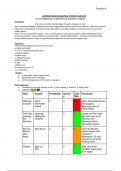
Risk assessment
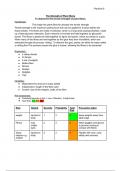
● Probability of occuring/ severity of risk: 1- Low/ unlikely, 2- Medium, 3- Highly likely
● Total Risk: 1,2,3,4,6,9
Risk Hazard Probability Severit Total Precaution
y Risk
Methylat highly 2 3 6 Wear disposable gloves
ed spirit flammable and goggles;
Irritant keep away from a
naked flame
Petri dish Opening/ 1 2 2 Handle the Petri dish
growing spilling the with care and avoid
the contents opening until
Bacteria necessary.Wear
disposable gloves
Bunsen Skin Burns 2 2 4 Keep the Bunsen
Burner burner closed until
with needed for
flame sterilisation.Tie hair
back and tuck loose
clothing away
Scalpel May cut 1 2 2 Take care when
Skin handling; keep away
from edges
Antimicrobial properties of plant extracts
To investigate the antibacterial properties of plants.
Hypothesis:
The zone of inhibition will be larger for garlic compared to mint.
Mint has natural antiseptic properties that help to fight bacteria growth and prevent infections. Mint also contains
high levels of antioxidants to help the body repair itself, preventing swelling of connective tissues to promote
healthy gums.
Allicin, an active ingredient in garlic, is the cause of garlic's antimicrobial properties that’s released when the
cloves are crushed.[1] Some antibiotics are bactericidal - directly killing bacteria - and some are bacteriostatic -
limiting bacteria growth. Garlic is a bactericide and therefore should have the largest area.
Equipment
● Plant material (garlic cloves and mint leaves)
● Pestle and mortar
● 10 cm3 industrial methylated spirit
● Pipette (sterile)
● Paper discs
● Sterile Petri dish
● Sterile forceps
● Tape
● Marker pen
● Incubator set at 25 °C
● e coli bacteria
Variable
● Independent - plant material used
● Dependent-zone of inhibition
● Control- temperature of Petri dish in incubation
Risk assessment
● Probability of occuring/ severity of risk: 1- Low/ unlikely, 2- Medium, 3- Highly likely
● Total Risk: 1,2,3,4,6,9
Risk Hazard Probability Severit Total Precaution
y Risk
Methylat highly 2 3 6 Wear disposable gloves
ed spirit flammable and goggles;
Irritant keep away from a
naked flame
Petri dish Opening/ 1 2 2 Handle the Petri dish
growing spilling the with care and avoid
the contents opening until
Bacteria necessary.Wear
disposable gloves
Bunsen Skin Burns 2 2 4 Keep the Bunsen
Burner burner closed until
with needed for
flame sterilisation.Tie hair
back and tuck loose
clothing away
Scalpel May cut 1 2 2 Take care when
Skin handling; keep away
from edges