Evaluate the extent that the next logical steps after devolution to Scotland, Wales and Northern
Ireland is devolution to England-using the source
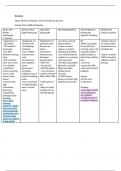
The source refers to the Asymmetrical devolution there's under representation in England, an over
representation in Northern Ireland. The statistical evidence suggests the disparity in representation,
with 67,025 people per 1 MP in England compared to 9,799 in Northern Ireland. This. Introduces the
West Lothian question, which challenges the legitimacy of Scottish, Welsh, and Northern Irish MPs in
having a say on English affairs and English therefore devolution should remove the disparity in
representation. Furthermore, this strengthens the case for only English MP’s having a say in their
own countries affairs as it would lead to a fairer system of government. However. There is a lack of
demand for devolution, partly based on the relative weakness of regional identity's in many areas of
England. This is shown in the rejection of regional devolution. For example, in the North East, 80% of
voters voted against further devolution in the area. This goes against the view that devolution is
needed, as it suggests it would not gain enough support and therefore isn't worth undertaking.
Overall, the rejection of devolution in the North East stresses the lack of interest the English
population has in devolution, while it would increase underrepresentation, there are other ways in
which the under representation in England could be fixed Which can be achieved through other
forms of constitutional reform.
Devolution would increase political participation And engagement in England. In general, devolution
moves power to the people, giving them more authority to propose local solutions. As there is a
clear gap in representation in England compared to Northern Ireland as England has the highest
population per representative. The statistical Part of the sauce suggest devolution could correct the
democratic deficit in England where people are underrepresented and supports the argument for
greater devolution. However, English devolution would inevitably exasperate, not reduce the
asymmetry of devolved powers referred to in the source. Potential dominance of England over the
rest of the UK. Westminster Possesses sovereign power over the UK and an English parliament. May
give England more powers as well as being another competing body for Westminster. Also, given the
population imbalance highlighted in the statistical data. An English parliament may harm the
consensus on devolution and lead to the stability of the current system. Therefore devolution would
be negative in terms of the current constitutional settlement and shouldn't be taken forward by the
government. The democracy deficit can be solved in other ways, such as reform to the electoral
system.
Wilson argues giving greater power to English local authorities would be an effective way of
achieving devolution ‘Allowing councils to choose, powers from a menu of options would be more
beneficial for devolution’. Wilson's idea is a good compromise between allowing more devolution
whilst avoiding the problem Open English Parliament that would dominate the UK political system.
Moreover, this is a more pragmatic and realistic way of achieving English devolution By using and
evolving the existing political system in the local government. On the other hand, local councils are
not equipped enough to handle extensive powers. As well as this, the proposal could be seen as
predominantly an exercise of cost cutting by the government. There is no clear justification in the
source for supporting one model of English devolution to existing councils. and there is a lack of
clarity ease to support the view that English devolution is problematic and shouldn't be taken
forward
Ireland is devolution to England-using the source
The source refers to the Asymmetrical devolution there's under representation in England, an over
representation in Northern Ireland. The statistical evidence suggests the disparity in representation,
with 67,025 people per 1 MP in England compared to 9,799 in Northern Ireland. This. Introduces the
West Lothian question, which challenges the legitimacy of Scottish, Welsh, and Northern Irish MPs in
having a say on English affairs and English therefore devolution should remove the disparity in
representation. Furthermore, this strengthens the case for only English MP’s having a say in their
own countries affairs as it would lead to a fairer system of government. However. There is a lack of
demand for devolution, partly based on the relative weakness of regional identity's in many areas of
England. This is shown in the rejection of regional devolution. For example, in the North East, 80% of
voters voted against further devolution in the area. This goes against the view that devolution is
needed, as it suggests it would not gain enough support and therefore isn't worth undertaking.
Overall, the rejection of devolution in the North East stresses the lack of interest the English
population has in devolution, while it would increase underrepresentation, there are other ways in
which the under representation in England could be fixed Which can be achieved through other
forms of constitutional reform.
Devolution would increase political participation And engagement in England. In general, devolution
moves power to the people, giving them more authority to propose local solutions. As there is a
clear gap in representation in England compared to Northern Ireland as England has the highest
population per representative. The statistical Part of the sauce suggest devolution could correct the
democratic deficit in England where people are underrepresented and supports the argument for
greater devolution. However, English devolution would inevitably exasperate, not reduce the
asymmetry of devolved powers referred to in the source. Potential dominance of England over the
rest of the UK. Westminster Possesses sovereign power over the UK and an English parliament. May
give England more powers as well as being another competing body for Westminster. Also, given the
population imbalance highlighted in the statistical data. An English parliament may harm the
consensus on devolution and lead to the stability of the current system. Therefore devolution would
be negative in terms of the current constitutional settlement and shouldn't be taken forward by the
government. The democracy deficit can be solved in other ways, such as reform to the electoral
system.
Wilson argues giving greater power to English local authorities would be an effective way of
achieving devolution ‘Allowing councils to choose, powers from a menu of options would be more
beneficial for devolution’. Wilson's idea is a good compromise between allowing more devolution
whilst avoiding the problem Open English Parliament that would dominate the UK political system.
Moreover, this is a more pragmatic and realistic way of achieving English devolution By using and
evolving the existing political system in the local government. On the other hand, local councils are
not equipped enough to handle extensive powers. As well as this, the proposal could be seen as
predominantly an exercise of cost cutting by the government. There is no clear justification in the
source for supporting one model of English devolution to existing councils. and there is a lack of
clarity ease to support the view that English devolution is problematic and shouldn't be taken
forward