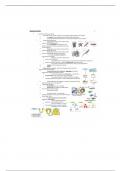
URINALYSIS.
Osmoregulation is the mechanism by which bodily membranes are kept
in osmotic equilibrium concerning salt and water. Electrolytes, water,
and non-electrolytes comprise the fluids that are present both within and
outside cells. Electrolytes and water are continuously added to the
system. Transported to the kidneys and eliminated, extra water,
electrolytes, and wastes aid in maintaining osmotic equilibrium. The
kidneys save fluid while not getting enough to drink. Through the intake
of food and water as well as excretion in the form of perspiration, urine,
and faeces, biological systems continually exchange water and nutrients
with the environment. Harmful wastes and water have a propensity to
build up when there is no mechanism to control osmotic pressure or
when a disease impairs this system.
Two crucial processes are involved in osmoregulation, which takes place
in the kidney’s medulla. The salt gradient is created in the medulla via
the Hele loop and the amount of water to be reabsorbed in the collecting
duct is controlled by anti-diuretic hormone or ADH. The collecting duct
will travel via the medulla, where the hypertonic circumstances will
cause the osmosis of water to suck water out. ADH regulates the volume
, of water expelled from the collecting ducts that the body retains.
Dehydration, which is recognized by osmoreceptors in the hypothalamus
causes the posterior pituitary to produce ADH. By upregulating
aquaporin synthesis, ADH enhances the collecting duct’s permeability to
water. This results in concentrated urine, less urination by the person,
and less water remaining in the filtrate. ADH levels drop, and less water
is reabsorbed when a person is properly hydrated therefore having more
dilute urine. Glucose, sodium chloride, water, urea, and amino acids are
just a few of the tiny molecules in the tubular fluid that are forced into
the renal tubes from the blood into the glomerular capsule by the high
hydrostatic pressure, this method of filtration is known as ultrafiltration.
If there are high amounts of such products in the body there can be many
chronic conditions that will affect the body like high blood pressure or
diabetes. Furthermore, reabsorption takes place after ultrafiltration to
maintain homeostasis. Reabsorption is the process by which the
glomerular filtrate is reabsorbed into the blood, carrying with it
chemicals, ions, and water.
URINALYSIS.
A urine test is also known as urinalysis. It is used to identify and treat a
variety of illnesses, including diabetes, renal diseases, and urogenital
diseases or infections. It involves examining the colour, consistency, and
composition of urine. For instance, an infection of the urinary system
might cause urine to appear hazy rather than clear. Urinary protein
levels that are higher than normal may indicate renal disease. This is a
frequent test that is carried out for a number of reasons. Reasons like
back discomfort or back pain with or without accompanying urination,
painful or frequent urination, urine containing blood, or other issues with
urine, a urinalysis could be done. The reason for these symptoms and
indications can be determined with the use of urinalysis, the medical
practitioner may advise routine urine tests to track your condition and
treatment if you have been diagnosed with a medical problem, like
urinary tract infection or disease related to the kidneys. A pre-surgery
evaluation, pregnancy check-up, or normal medical exam may include a
urinalysis. When you are admitted to a hospital, it may also be utilized as
a screening test for a number of diseases and conditions, including
diabetes, renal disease, and liver illness. By the appearance and colour of
urine, many illnesses can be detected, if the urine is orange or dark
yellow in colour the person can be said to be dehydrated or if the urine is
separated and cloudy then the person could have problems with the
Osmoregulation is the mechanism by which bodily membranes are kept
in osmotic equilibrium concerning salt and water. Electrolytes, water,
and non-electrolytes comprise the fluids that are present both within and
outside cells. Electrolytes and water are continuously added to the
system. Transported to the kidneys and eliminated, extra water,
electrolytes, and wastes aid in maintaining osmotic equilibrium. The
kidneys save fluid while not getting enough to drink. Through the intake
of food and water as well as excretion in the form of perspiration, urine,
and faeces, biological systems continually exchange water and nutrients
with the environment. Harmful wastes and water have a propensity to
build up when there is no mechanism to control osmotic pressure or
when a disease impairs this system.
Two crucial processes are involved in osmoregulation, which takes place
in the kidney’s medulla. The salt gradient is created in the medulla via
the Hele loop and the amount of water to be reabsorbed in the collecting
duct is controlled by anti-diuretic hormone or ADH. The collecting duct
will travel via the medulla, where the hypertonic circumstances will
cause the osmosis of water to suck water out. ADH regulates the volume
, of water expelled from the collecting ducts that the body retains.
Dehydration, which is recognized by osmoreceptors in the hypothalamus
causes the posterior pituitary to produce ADH. By upregulating
aquaporin synthesis, ADH enhances the collecting duct’s permeability to
water. This results in concentrated urine, less urination by the person,
and less water remaining in the filtrate. ADH levels drop, and less water
is reabsorbed when a person is properly hydrated therefore having more
dilute urine. Glucose, sodium chloride, water, urea, and amino acids are
just a few of the tiny molecules in the tubular fluid that are forced into
the renal tubes from the blood into the glomerular capsule by the high
hydrostatic pressure, this method of filtration is known as ultrafiltration.
If there are high amounts of such products in the body there can be many
chronic conditions that will affect the body like high blood pressure or
diabetes. Furthermore, reabsorption takes place after ultrafiltration to
maintain homeostasis. Reabsorption is the process by which the
glomerular filtrate is reabsorbed into the blood, carrying with it
chemicals, ions, and water.
URINALYSIS.
A urine test is also known as urinalysis. It is used to identify and treat a
variety of illnesses, including diabetes, renal diseases, and urogenital
diseases or infections. It involves examining the colour, consistency, and
composition of urine. For instance, an infection of the urinary system
might cause urine to appear hazy rather than clear. Urinary protein
levels that are higher than normal may indicate renal disease. This is a
frequent test that is carried out for a number of reasons. Reasons like
back discomfort or back pain with or without accompanying urination,
painful or frequent urination, urine containing blood, or other issues with
urine, a urinalysis could be done. The reason for these symptoms and
indications can be determined with the use of urinalysis, the medical
practitioner may advise routine urine tests to track your condition and
treatment if you have been diagnosed with a medical problem, like
urinary tract infection or disease related to the kidneys. A pre-surgery
evaluation, pregnancy check-up, or normal medical exam may include a
urinalysis. When you are admitted to a hospital, it may also be utilized as
a screening test for a number of diseases and conditions, including
diabetes, renal disease, and liver illness. By the appearance and colour of
urine, many illnesses can be detected, if the urine is orange or dark
yellow in colour the person can be said to be dehydrated or if the urine is
separated and cloudy then the person could have problems with the