Critical Reading Exam
Task – Choose a poem which features a relationship. Discuss how the poet’s
presentation of this relationship adds to the central concern(s) of the
poem.
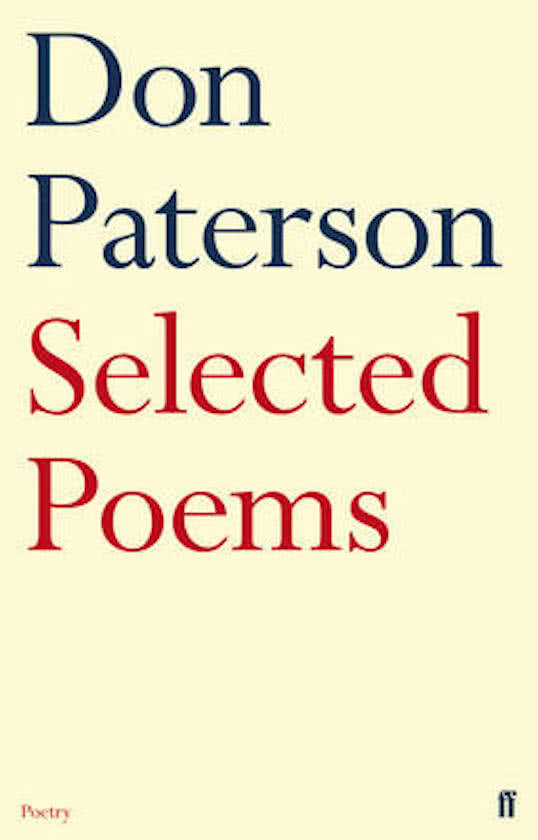
“Two Trees” by Don Paterson is a contemporary Scottish poem. It features a relationship between
two trees which are joined together by a man called Don Miguel. Initially the trees do not produce
any fruit, but when they do it is a “double crop”. This essay is going to examine how the writers use
of imagery, metafiction and personification adds to the central theme, which is relationships.
The relationship featured in the poem is between the two trees. The joining of the two trees is
symbolic of the start of a relationship or a marriage. Personification is used throughout the poem:
the trees’ branches are compared to “limbs”, their roots are described as “shackled” and “trees do
not weep, ache or shout”. These examples make the trees sound human, which amplifies the central
theme which is relationships. The fact that the trees do not produce any fruit initially could be
representing the initial period of the relationship, or it could also be implying that there were
fertility problems between the couple. This adds to the central concern of the poem, which is
relationships. It emphasises the difficulties that couple can endure when in a relationship.
The final line in the poem “And Trees are what this poem is all about” denies that the theme is about
relationships. Here the poem changes from storytelling to the writer saying something. It draws your
attention to the fact that the poem is an extended metaphor and that the entire poem is all about
relationships. The closing line allows the reader to use their imagination and as such it is an example
of metafiction. It throws into doubt as to whether or not the poem is about trees or not. There could
be a hint of sarcasm, such as “And trees are what this poem is all about, wink”. The poem features
the early stages of a relationship where the two trees find it painful and take time to adjust after the
initial joining. Then there is the period of no fruit, which uses imagery to describe the initial stages of
the relationship. Most marriages or relationships do not produce offspring early on, so this is
amplifying the central theme, which is relationships. When the trees then start producing fruit, there
is so much so that the children in the village call the trees “magic”. The implication here is that the
couple have produced children; not just one or two, but many offspring, which is in line with the
central theme – relationships.
The first verse mentions “Don Miguel”. The name is foreign sounding, implying that the story
happens far away, which makes it sound like a fairy tale. The structure of the poem is in rhyming
couplets which gives the poem a rhythm similar to a fairy tale. This leaves the reader captivated to
the story and so adds to the central theme, which is relationships. The first verse uses light, positive
imagery such as “tangled up” and “two lights” which are all indicative of intimacy. “Tangled up”
implies that the trees have become entwined with each other, just like the lives of the couple
features in the poem, and so shows intimacy. The fact that “Two lights” on the leaves are
mentioned, in indicative of intimacy as there are two of them. By contrast the second verse uses
Task – Choose a poem which features a relationship. Discuss how the poet’s
presentation of this relationship adds to the central concern(s) of the
poem.
“Two Trees” by Don Paterson is a contemporary Scottish poem. It features a relationship between
two trees which are joined together by a man called Don Miguel. Initially the trees do not produce
any fruit, but when they do it is a “double crop”. This essay is going to examine how the writers use
of imagery, metafiction and personification adds to the central theme, which is relationships.
The relationship featured in the poem is between the two trees. The joining of the two trees is
symbolic of the start of a relationship or a marriage. Personification is used throughout the poem:
the trees’ branches are compared to “limbs”, their roots are described as “shackled” and “trees do
not weep, ache or shout”. These examples make the trees sound human, which amplifies the central
theme which is relationships. The fact that the trees do not produce any fruit initially could be
representing the initial period of the relationship, or it could also be implying that there were
fertility problems between the couple. This adds to the central concern of the poem, which is
relationships. It emphasises the difficulties that couple can endure when in a relationship.
The final line in the poem “And Trees are what this poem is all about” denies that the theme is about
relationships. Here the poem changes from storytelling to the writer saying something. It draws your
attention to the fact that the poem is an extended metaphor and that the entire poem is all about
relationships. The closing line allows the reader to use their imagination and as such it is an example
of metafiction. It throws into doubt as to whether or not the poem is about trees or not. There could
be a hint of sarcasm, such as “And trees are what this poem is all about, wink”. The poem features
the early stages of a relationship where the two trees find it painful and take time to adjust after the
initial joining. Then there is the period of no fruit, which uses imagery to describe the initial stages of
the relationship. Most marriages or relationships do not produce offspring early on, so this is
amplifying the central theme, which is relationships. When the trees then start producing fruit, there
is so much so that the children in the village call the trees “magic”. The implication here is that the
couple have produced children; not just one or two, but many offspring, which is in line with the
central theme – relationships.
The first verse mentions “Don Miguel”. The name is foreign sounding, implying that the story
happens far away, which makes it sound like a fairy tale. The structure of the poem is in rhyming
couplets which gives the poem a rhythm similar to a fairy tale. This leaves the reader captivated to
the story and so adds to the central theme, which is relationships. The first verse uses light, positive
imagery such as “tangled up” and “two lights” which are all indicative of intimacy. “Tangled up”
implies that the trees have become entwined with each other, just like the lives of the couple
features in the poem, and so shows intimacy. The fact that “Two lights” on the leaves are
mentioned, in indicative of intimacy as there are two of them. By contrast the second verse uses