SUPPLY CHAIN MANAGEMNET
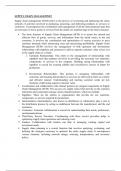
Supply chain management (SCM) refers to the process of overseeing and optimizing the entire
network of activities involved in producing, procuring, and delivering products or services to
customers. It encompasses the coordination and management of all the interconnected steps that
are necessary to move goods or services from the initial raw material stage to the final consumer.
The basic function of Supply Chain Management (SCM) is to ensure the smooth and
efficient flow of goods, services, and information from the initial source to the end
consumer. It involves the coordination and optimization of various activities to meet
customer demands while minimizing costs and maximizing profitability. Supply Chain
Management (SCM) involves the management of both upstream and downstream
relationships with suppliers and customers to deliver superior customer value at less cost
to the supply chain as a whole.
1. Upstream Relationships: This refers to the management of relationships with
suppliers and other partners involved in providing the necessary raw materials,
components, or services to the company. Building strong relationships with
suppliers is crucial for securing reliable and cost-effective sources of inputs for
production.
2. Downstream Relationships: This pertains to managing relationships with
customers and ensuring that products or services are delivered to them in a timely
and efficient manner. Understanding and meeting customer needs are key
elements of delivering superior customer value.
Coordination and collaboration with channel partners are integral components of Supply
Chain Management (SCM). The success of a supply chain relies heavily on the seamless
interaction and cooperation among various channel partners, which can include:
1. Suppliers: These are the entities or organizations that provide the raw materials,
components, or services required for production.
2. Intermediaries: Intermediaries, also known as distributors or wholesalers, play a role in
the distribution process by acting as middlemen between the manufacturer and the end
customers.
3. Customers: Customer collaboration is crucial for understanding their needs, preferences,
and demand patterns.
4. Third-Party Service Providers: Coordinating with these service providers helps in
optimizing supply chain operations and reducing costs.
5. Funders: Collaboration with funders can help in managing working capital and
investment needs.
Supply chain planning is a crucial function that involves analyzing, evaluating, and
defining the strategies necessary to optimize the entire supply chain. It encompasses
various elements, including network design, sourcing, transportation, and inventory
policy:
Supply chain management (SCM) refers to the process of overseeing and optimizing the entire
network of activities involved in producing, procuring, and delivering products or services to
customers. It encompasses the coordination and management of all the interconnected steps that
are necessary to move goods or services from the initial raw material stage to the final consumer.
The basic function of Supply Chain Management (SCM) is to ensure the smooth and
efficient flow of goods, services, and information from the initial source to the end
consumer. It involves the coordination and optimization of various activities to meet
customer demands while minimizing costs and maximizing profitability. Supply Chain
Management (SCM) involves the management of both upstream and downstream
relationships with suppliers and customers to deliver superior customer value at less cost
to the supply chain as a whole.
1. Upstream Relationships: This refers to the management of relationships with
suppliers and other partners involved in providing the necessary raw materials,
components, or services to the company. Building strong relationships with
suppliers is crucial for securing reliable and cost-effective sources of inputs for
production.
2. Downstream Relationships: This pertains to managing relationships with
customers and ensuring that products or services are delivered to them in a timely
and efficient manner. Understanding and meeting customer needs are key
elements of delivering superior customer value.
Coordination and collaboration with channel partners are integral components of Supply
Chain Management (SCM). The success of a supply chain relies heavily on the seamless
interaction and cooperation among various channel partners, which can include:
1. Suppliers: These are the entities or organizations that provide the raw materials,
components, or services required for production.
2. Intermediaries: Intermediaries, also known as distributors or wholesalers, play a role in
the distribution process by acting as middlemen between the manufacturer and the end
customers.
3. Customers: Customer collaboration is crucial for understanding their needs, preferences,
and demand patterns.
4. Third-Party Service Providers: Coordinating with these service providers helps in
optimizing supply chain operations and reducing costs.
5. Funders: Collaboration with funders can help in managing working capital and
investment needs.
Supply chain planning is a crucial function that involves analyzing, evaluating, and
defining the strategies necessary to optimize the entire supply chain. It encompasses
various elements, including network design, sourcing, transportation, and inventory
policy: