1.5 draft answer!
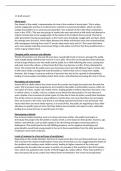
Moral panic
One impact of the media’s representation of crime is the creation of moral panic. This is where
society exaggerates and has an irrational over reaction to a perceived problem, which can often
enlarge the problem to an unnecessary proportion. One example of this is the Mods and Rockers
issue in the 1970’s. This was two groups of youths who were perceived as folk devils and deemed as
violent criminals due to the exaggeration of the media of the incidents that occurred. This led to
older generations fearing young people, as the events were drastically exaggerated, and facts about
the damage were incorrect. Minor fights between the Mods and Rockers were also sensationalised,
with newspapers claiming there were 97 arrests when there were only 24. This meant that there
were more people reporting unnecessary things to the police out of fear that they would become a
victim of gang related crime.
Changing public concerns and attitudes
Threats of terrorism over the past 20 years have caused high levels of concern amongst the public,
most notably being fuelled by the event of 9/11 in 2001. Since this was broadcasted internationally,
it held a large influence over the media and the public for a while following the event, causing fear
and panic across the nations, as they feared that they may become a victim, if they attempted to
travel. This meant that the public were now becoming concerned with different types of crime, due
to the heavy media coverage that leads the public to believe that crime is rising more rapidly.
However, this change in concerns and fear of terrorism has also led to a growth in Islamaphobia,
leading to more people committing violent hate crimes, and ultimately increasing the rate of crimes.
Perceptions of crime trends
Around 60% of adults believe that crime across the country has largely increased over the past few
years. This is because news programmes are trusted by the public as information sources, which do
not report all crimes, mainly only violent crimes, leading people to believe that there has been a rise
in violent crimes. In reality, crime as a whole across Britain has decreased by 7% over the past 4
years, despite a few increases of certain types of crime due to how the police record these incidents.
One of the crimes to increase is sexual offences, but this does not mean that there has necessarily
been an increase in the crime, only that it is now being reported more than it was previously. This
means that there are more media reports; as a result of this, the public are beginning to focus their
attention on specific types of crime that they believe has increased, and report it more, ultimately
leading to an actual increase in specific types of crime.
Stereotyping criminals
Due to heavy media reporting, such as tv shows and news articles, the public have begun to
stereotype the people who they believe would commit a crime based on their gender, features, age,
fashion, and ethnicity; such as older people in the UK viewing teenagers and young adults as
delinquents. This would lead to the self fulfilling prophecy, as the negative stereotyping and
generalisation would lead young people to live up to these expectations from the older generation,
resulting in more harsh sentences.
Levels of response to crime and types of punishment
Depending on the media attention, the level of response the the crime and the punishment can vary.
This is because the media sensationalises events and crimes that occur by exaggerating the details of
the problem and creating a panic within society, leading to higher response of the crime and
punishment by the police due to panics in society. An example of this would be in the 2011 London
riots, which was sparked by the murder of Mark Duggan by a police officer. These riots lasted for 5
days and spread all across London from Wood Green to Woolwich. This event was broadcasted
Moral panic
One impact of the media’s representation of crime is the creation of moral panic. This is where
society exaggerates and has an irrational over reaction to a perceived problem, which can often
enlarge the problem to an unnecessary proportion. One example of this is the Mods and Rockers
issue in the 1970’s. This was two groups of youths who were perceived as folk devils and deemed as
violent criminals due to the exaggeration of the media of the incidents that occurred. This led to
older generations fearing young people, as the events were drastically exaggerated, and facts about
the damage were incorrect. Minor fights between the Mods and Rockers were also sensationalised,
with newspapers claiming there were 97 arrests when there were only 24. This meant that there
were more people reporting unnecessary things to the police out of fear that they would become a
victim of gang related crime.
Changing public concerns and attitudes
Threats of terrorism over the past 20 years have caused high levels of concern amongst the public,
most notably being fuelled by the event of 9/11 in 2001. Since this was broadcasted internationally,
it held a large influence over the media and the public for a while following the event, causing fear
and panic across the nations, as they feared that they may become a victim, if they attempted to
travel. This meant that the public were now becoming concerned with different types of crime, due
to the heavy media coverage that leads the public to believe that crime is rising more rapidly.
However, this change in concerns and fear of terrorism has also led to a growth in Islamaphobia,
leading to more people committing violent hate crimes, and ultimately increasing the rate of crimes.
Perceptions of crime trends
Around 60% of adults believe that crime across the country has largely increased over the past few
years. This is because news programmes are trusted by the public as information sources, which do
not report all crimes, mainly only violent crimes, leading people to believe that there has been a rise
in violent crimes. In reality, crime as a whole across Britain has decreased by 7% over the past 4
years, despite a few increases of certain types of crime due to how the police record these incidents.
One of the crimes to increase is sexual offences, but this does not mean that there has necessarily
been an increase in the crime, only that it is now being reported more than it was previously. This
means that there are more media reports; as a result of this, the public are beginning to focus their
attention on specific types of crime that they believe has increased, and report it more, ultimately
leading to an actual increase in specific types of crime.
Stereotyping criminals
Due to heavy media reporting, such as tv shows and news articles, the public have begun to
stereotype the people who they believe would commit a crime based on their gender, features, age,
fashion, and ethnicity; such as older people in the UK viewing teenagers and young adults as
delinquents. This would lead to the self fulfilling prophecy, as the negative stereotyping and
generalisation would lead young people to live up to these expectations from the older generation,
resulting in more harsh sentences.
Levels of response to crime and types of punishment
Depending on the media attention, the level of response the the crime and the punishment can vary.
This is because the media sensationalises events and crimes that occur by exaggerating the details of
the problem and creating a panic within society, leading to higher response of the crime and
punishment by the police due to panics in society. An example of this would be in the 2011 London
riots, which was sparked by the murder of Mark Duggan by a police officer. These riots lasted for 5
days and spread all across London from Wood Green to Woolwich. This event was broadcasted