PM and executive essay plans
Evaluate the effectiveness of the executive
Effective Ineffective
Proposing legislation Dependent on the size of support from
- announces new programme at the start of parliament
each parliamentary session - when party dominance is challenged =
- e.g. 2015 proposals = EU referendum, govt can dominate = can lead to backbench
amend West Lothian question and protect rebellion e.g. 2021- 99 tory MPs rebelled
public services against strokes against Boris’ plan-B COVID measures
- make sure manifesto promises are met - e.g. 2017-2019 = May had her Brexit deal
e.g. 2019 ‘Get Brexit Done’ rejected three times, including a defeat of
- consult interested pressure groups and 230 votes
professionals first e.g. 2015 = consult with - e.g. 2010-2015 coalition = controversy
employees about introducing over relationship with EU = caused
apprenticeship levy = introduced in 2017 Cameron to resign
Propose budget Recently ineffective proposals
- created by Chancellor which is revealed to - e.g. Liz Truss U-turn on mini budget = fired
Cabinet chancellor and resigned = shortest term as
- sets out plans for changes in govt PM
spending and taxation
- e.g. Truss mini budget = tax cuts
- Rishi = halve inflation
Making policy decisions Still has to be compatible with HRA
- effective aims for future prosperity - parliamentary sovereignty means that
- e.g. 2010-2015 = introduce universal laws must abide with other laws including
credit, more competition in NHS HRA = protects rights
- e.g. emergency decisions e.g. Coronavirus - unconstitutional laws can be struck down
Act 2020 by Supreme Court
- e.g. R v Chief Constable of Greater
Manchester 2013 = police act 1997
interfering with tight to respect for private
life more than in necessary to protect
civilians violation of Article 8
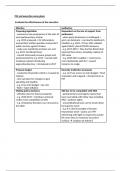
Evaluate the effectiveness of the executive
Effective Ineffective
Proposing legislation Dependent on the size of support from
- announces new programme at the start of parliament
each parliamentary session - when party dominance is challenged =
- e.g. 2015 proposals = EU referendum, govt can dominate = can lead to backbench
amend West Lothian question and protect rebellion e.g. 2021- 99 tory MPs rebelled
public services against strokes against Boris’ plan-B COVID measures
- make sure manifesto promises are met - e.g. 2017-2019 = May had her Brexit deal
e.g. 2019 ‘Get Brexit Done’ rejected three times, including a defeat of
- consult interested pressure groups and 230 votes
professionals first e.g. 2015 = consult with - e.g. 2010-2015 coalition = controversy
employees about introducing over relationship with EU = caused
apprenticeship levy = introduced in 2017 Cameron to resign
Propose budget Recently ineffective proposals
- created by Chancellor which is revealed to - e.g. Liz Truss U-turn on mini budget = fired
Cabinet chancellor and resigned = shortest term as
- sets out plans for changes in govt PM
spending and taxation
- e.g. Truss mini budget = tax cuts
- Rishi = halve inflation
Making policy decisions Still has to be compatible with HRA
- effective aims for future prosperity - parliamentary sovereignty means that
- e.g. 2010-2015 = introduce universal laws must abide with other laws including
credit, more competition in NHS HRA = protects rights
- e.g. emergency decisions e.g. Coronavirus - unconstitutional laws can be struck down
Act 2020 by Supreme Court
- e.g. R v Chief Constable of Greater
Manchester 2013 = police act 1997
interfering with tight to respect for private
life more than in necessary to protect
civilians violation of Article 8