Emergency Medical
Technician-Basic:
National Standard
Curriculum
EMT-BASIC: NATIONAL STANDARD CURRICULUM
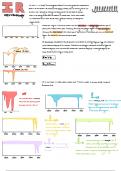
DIAGRAM OF EDUCATIONAL MODEL
CPR
Prerequisite
CONTINUING PREPARATORY CONTINUING
EDUCATION EDUCATION
Introduction to Emergency Medical Care
The Well-Being of the EMT-Basic
Medical / Legal and Ethical Issues
The Human Body
Baseline Vitals and SAMPLE History
Lifting and Moving
1
, AIRWAY
Airway
CONTINUING Advanced Airway (Elective) CONTINUING
EDUCATION EDUCATION
MEDICAL PATIENT ASSESSMENT TRAUMA
General Pharmacology Scene Size-up Bleeding and Shock
Respiratory Emergencies Initial Assessment Soft Tissue Injuries
Cardiovascular Emergencies Focused History and Physical Exam: Musculoskeletal Care
Diabetic Emergencies Medical Injuries to the Head and
Allergic Reactions Focused History and Physical Exam: Spine
Poisoning/Overdose Trauma
Emergencies Detailed Physical Exam
Environmental Emergencies On-Going Assessment
Behavioral Emergencies Communications
Obstetrics Documentation
CONTINUING INFANTS & CHILDREN CONTINUING
EDUCATION EDUCATION
Infants and Children
CONTINUING OPERATIONS CONTINUING
EDUCATION EDUCATION
Ambulance Operations
Gaining Access
Overviews
2 United States Department of Transportation
National Highway Traffic Safety Administration
EMT-Basic: National Standard Curriculum
,The following pages show the breakdown of hours and objectives for the Emergency
Medical Technician-Basic: National Standard Curriculum. In this design there are 46
lessons in the core curriculum. Three additional lessons are needed to complete the
advanced airway elective, if offered.
The name of each lesson is followed by the recommended time needed to complete the
instruction. The cognitive, effective, psychomotor objectives and the total number of
objectives for that lesson are provided. The percentage of cognitive and percentage of
hours is based on the entire core curriculum. This information may prove to be
beneficial in designing written and practical evaluation tools.
Course Design
MODULE 1 PREPARATORY
Lesson 1-1 Introduction to Emergency Medical Care
Familiarizes the EMT-Basic candidate with the introductory aspects of emergency
medical care. Topics covered include the Emergency Medical Services system, roles
and responsibilities of the EMT-Basic, quality improvement, and medical direction.
Lesson 1-2 Well-Being of the EMT-Basic
Covers the emotional aspects of emergency care, stress management, introduction to
Critical Incident Stress Debriefing (CISD), scene safety, body substance isolation (BSI),
personal protection equipment (PPE), and safety precautions that can be taken prior to
performing the role of an EMT-Basic.
Lesson 1-3 Medical/Legal and Ethical Issues
Explores the scope of practice, ethical responsibilities, advance directives, consent,
refusals, abandonment, negligence, duty to act, confidentiality, and special situations
such as organ donors and crime scenes. Medical/legal and ethical issues are vital
elements of the EMT-Basic's daily life.
Lesson 1-4 The Human Body
Enhances the EMT -Basic's knowledge of the human body. A brief overview of body
systems, anatomy, physiology and topographic anatomy will be given in this session.
3
, Lesson 1-5 Baseline Vital Signs and SAMPLE History
Teaches assessing and recording of a patient's vital signs and a SAMPLE history.
Lesson 1-6 Lifting and Moving Patients
Provides students with knowledge of body mechanics, lifting and carrying techniques,
principles of moving patients, and an overview of equipment. Practical skills of lifting
and moving will also be developed during this lesson.
Lesson 1-7 Evaluation: Preparatory Module
Conduct a written and skills evaluation to determine the student's level of achievement
of the cognitive, psychomotor and affective objectives from this module of instruction.
MODULE 2 AIRWAY
Lesson 2-1 Airway
Teaches airway anatomy and physiology, how to maintain an open airway, pulmonary
resuscitation, variations for infants and children and patients with laryngectomies. The
use of airways, suction equipment, oxygen equipment and delivery systems, and
resuscitation devices will be discussed in this lesson.
Lesson 2-2 Practical Skills Lab: Airway
Provides supervised practice for students to develop the psychomotor skills of airway
care. The use of airways, suction equipment, oxygen equipment and delivery systems,
and resuscitation devices will be included in this lesson.
Lesson 2-3 Evaluation: Airway Module
Conduct a written and skills evaluation to determine the student's level of achievement
of the cognitive, psychomotor and affective objectives from this module of instruction.
MODULE 3 PATIENT ASSESSMENT
Lesson 3-1 Scene Size-Up
Enhance the EMT -Basic's ability to evaluate a scene for potential hazards, determine
by the number of patients if additional help is necessary, and evaluate mechanism of
injury or nature of illness. This lesson draws on the knowledge of Lesson 1-2.
4 United States Department of Transportation
National Highway Traffic Safety Administration
EMT-Basic: National Standard Curriculum
Technician-Basic:
National Standard
Curriculum
EMT-BASIC: NATIONAL STANDARD CURRICULUM
DIAGRAM OF EDUCATIONAL MODEL
CPR
Prerequisite
CONTINUING PREPARATORY CONTINUING
EDUCATION EDUCATION
Introduction to Emergency Medical Care
The Well-Being of the EMT-Basic
Medical / Legal and Ethical Issues
The Human Body
Baseline Vitals and SAMPLE History
Lifting and Moving
1
, AIRWAY
Airway
CONTINUING Advanced Airway (Elective) CONTINUING
EDUCATION EDUCATION
MEDICAL PATIENT ASSESSMENT TRAUMA
General Pharmacology Scene Size-up Bleeding and Shock
Respiratory Emergencies Initial Assessment Soft Tissue Injuries
Cardiovascular Emergencies Focused History and Physical Exam: Musculoskeletal Care
Diabetic Emergencies Medical Injuries to the Head and
Allergic Reactions Focused History and Physical Exam: Spine
Poisoning/Overdose Trauma
Emergencies Detailed Physical Exam
Environmental Emergencies On-Going Assessment
Behavioral Emergencies Communications
Obstetrics Documentation
CONTINUING INFANTS & CHILDREN CONTINUING
EDUCATION EDUCATION
Infants and Children
CONTINUING OPERATIONS CONTINUING
EDUCATION EDUCATION
Ambulance Operations
Gaining Access
Overviews
2 United States Department of Transportation
National Highway Traffic Safety Administration
EMT-Basic: National Standard Curriculum
,The following pages show the breakdown of hours and objectives for the Emergency
Medical Technician-Basic: National Standard Curriculum. In this design there are 46
lessons in the core curriculum. Three additional lessons are needed to complete the
advanced airway elective, if offered.
The name of each lesson is followed by the recommended time needed to complete the
instruction. The cognitive, effective, psychomotor objectives and the total number of
objectives for that lesson are provided. The percentage of cognitive and percentage of
hours is based on the entire core curriculum. This information may prove to be
beneficial in designing written and practical evaluation tools.
Course Design
MODULE 1 PREPARATORY
Lesson 1-1 Introduction to Emergency Medical Care
Familiarizes the EMT-Basic candidate with the introductory aspects of emergency
medical care. Topics covered include the Emergency Medical Services system, roles
and responsibilities of the EMT-Basic, quality improvement, and medical direction.
Lesson 1-2 Well-Being of the EMT-Basic
Covers the emotional aspects of emergency care, stress management, introduction to
Critical Incident Stress Debriefing (CISD), scene safety, body substance isolation (BSI),
personal protection equipment (PPE), and safety precautions that can be taken prior to
performing the role of an EMT-Basic.
Lesson 1-3 Medical/Legal and Ethical Issues
Explores the scope of practice, ethical responsibilities, advance directives, consent,
refusals, abandonment, negligence, duty to act, confidentiality, and special situations
such as organ donors and crime scenes. Medical/legal and ethical issues are vital
elements of the EMT-Basic's daily life.
Lesson 1-4 The Human Body
Enhances the EMT -Basic's knowledge of the human body. A brief overview of body
systems, anatomy, physiology and topographic anatomy will be given in this session.
3
, Lesson 1-5 Baseline Vital Signs and SAMPLE History
Teaches assessing and recording of a patient's vital signs and a SAMPLE history.
Lesson 1-6 Lifting and Moving Patients
Provides students with knowledge of body mechanics, lifting and carrying techniques,
principles of moving patients, and an overview of equipment. Practical skills of lifting
and moving will also be developed during this lesson.
Lesson 1-7 Evaluation: Preparatory Module
Conduct a written and skills evaluation to determine the student's level of achievement
of the cognitive, psychomotor and affective objectives from this module of instruction.
MODULE 2 AIRWAY
Lesson 2-1 Airway
Teaches airway anatomy and physiology, how to maintain an open airway, pulmonary
resuscitation, variations for infants and children and patients with laryngectomies. The
use of airways, suction equipment, oxygen equipment and delivery systems, and
resuscitation devices will be discussed in this lesson.
Lesson 2-2 Practical Skills Lab: Airway
Provides supervised practice for students to develop the psychomotor skills of airway
care. The use of airways, suction equipment, oxygen equipment and delivery systems,
and resuscitation devices will be included in this lesson.
Lesson 2-3 Evaluation: Airway Module
Conduct a written and skills evaluation to determine the student's level of achievement
of the cognitive, psychomotor and affective objectives from this module of instruction.
MODULE 3 PATIENT ASSESSMENT
Lesson 3-1 Scene Size-Up
Enhance the EMT -Basic's ability to evaluate a scene for potential hazards, determine
by the number of patients if additional help is necessary, and evaluate mechanism of
injury or nature of illness. This lesson draws on the knowledge of Lesson 1-2.
4 United States Department of Transportation
National Highway Traffic Safety Administration
EMT-Basic: National Standard Curriculum