100% satisfaction guarantee Immediately available after payment Both online and in PDF No strings attached 4.2 TrustPilot
logo-home
Exam (elaborations)

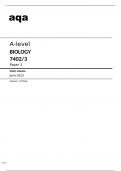
OCR A Level Psychology H567/02 Psychological themes through core studies FINAL QUESTIN PAPER JUNE 2022

Rating
-
Sold
-
Pages
16
Grade
A
Uploaded on
13-07-2023
Written in
2022/2023

Wednesday 8 June 2022 – Morning A Level Psychology H567/02 Psychological themes through core studies Time allowed: 2 hours INSTRUCTIONS • Use black ink. • Write your answer to each question in the space provided. If you need extra space use the lined pages at the end of this booklet. The question numbers must be clearly shown. • Answer all the questions. INFORMATION • The total mark for this paper is 105. • The marks for each question are shown in brackets [ ]. • Quality of extended response will be assessed in questions marked with an asterisk (*). • This document has 16 pages. ADVICE • Read each question carefully before you start your answer. © OCR 2022 [601/5122/5] DC (NF) /6 OCR is an exempt Charity Turn over SECTION A – Core studies Answer all the questions. 1 Outline the procedure used in Experiment 1 of Moray’s (1959) study into auditory attention. .......................................................................................................................................................... .......................................................................................................................................................... .......................................................................................................................................................... .......................................................................................................................................................... .......................................................................................................................................................... .......................................................................................................................................................... .......................................................................................................................................................... .................................................................................................................................................... [4] 2 (a) Briefly describe the sample used in Levine’s (2001) study into helping behaviour. ................................................................................................................................................... ................................................................................................................................................... ................................................................................................................................................... ................................................................................................................................................... ............................................................................................................................................. [2] (b) Outline one way in which Levine’s study may show sampling bias. ................................................................................................................................................... ................................................................................................................................................... ................................................................................................................................................... ............................................................................................................................................. [2] 3 (a) Explain how Chaney et al.’s (2004) study into Funhalers relates to the theme of ‘external influences on children’s behaviour’. ................................................................................................................................................... ................................................................................................................................................... ................................................................................................................................................... ................................................................................................................................................... ................................................................................................................................................... ............................................................................................................................................. [3] (b) Outline one strength and one weakness of the method used in Lee et al.’s (1997) study into lying and truth telling. ................................................................................................................................................... ................................................................................................................................................... ................................................................................................................................................... ................................................................................................................................................... ................................................................................................................................................... ................................................................................................................................................... ................................................................................................................................................... ............................................................................................................................................. [4] (c) Explain one issue with validity that arose in Bandura et al.’s (1961) study into aggressive role models. ................................................................................................................................................... ................................................................................................................................................... ................................................................................................................................................... ................................................................................................................................................... ................................................................................................................................................... ............................................................................................................................................. [3] 4 (a) Outline one finding from Freud’s (1909) study of Little Hans. ................................................................................................................................................... ................................................................................................................................................... ................................................................................................................................................... ............................................................................................................................................. [2] (b) Explain how Baron-Cohen et al.’s (1997) study into the theory of mind relates to the area of individual differences. ................................................................................................................................................... ................................................................................................................................................... ................................................................................................................................................... ................................................................................................................................................... ................................................................................................................................................... ................................................................................................................................................... ................................................................................................................................................... ............................................................................................................................................. [4] (c) Compare Gould’s (1982) study with Hancock et al.’s (2011) study into measuring differences by suggesting either one difference or one similarity between them. ................................................................................................................................................... ................................................................................................................................................... ................................................................................................................................................... ................................................................................................................................................... ................................................................................................................................................... ................................................................................................................................................... ................................................................................................................................................... ............................................................................................................................................. [4] 5 (a) Outline one ethical issue raised by Sperry’s (1968) study into regions of the brain. ................................................................................................................................................... ................................................................................................................................................... ................................................................................................................................................... ............................................................................................................................................. [2] (b) Discuss to what extent Maguire et al.’s (2000) contemporary study in biological psychology changes our understanding of brain plasticity when compared to Blakemore and Cooper’s study from 1970. ................................................................................................................................................... ................................................................................................................................................... ................................................................................................................................................... ................................................................................................................................................... ................................................................................................................................................... ................................................................................................................................................... ................................................................................................................................................... ................................................................................................................................................... ................................................................................................................................................... ............................................................................................................................................. [5] Turn over for the next question SECTION B – Areas, perspectives and debates Answer all the questions. 6 (a) Explain how one core study from the social area can be related to the concept of holism. ................................................................................................................................................... ................................................................................................................................................... ................................................................................................................................................... ................................................................................................................................................... ................................................................................................................................................... ................................................................................................................................................... ................................................................................................................................................... ................................................................................................................................................... ................................................................................................................................................... ............................................................................................................................................. [5] (b) Explain how one core study from the social area can be related to the concept of reductionism. ................................................................................................................................................... ................................................................................................................................................... ................................................................................................................................................... ................................................................................................................................................... ................................................................................................................................................... ................................................................................................................................................... ................................................................................................................................................... ................................................................................................................................................... ................................................................................................................................................... ............................................................................................................................................. [5] (c) Describe one application of the social area. ................................................................................................................................................... ................................................................................................................................................... ................................................................................................................................................... ................................................................................................................................................... ................................................................................................................................................... ................................................................................................................................................... ................................................................................................................................................... ............................................................................................................................................. [4] (d) Outline the procedure used in one core study and briefly explain how this relates to the social area. ................................................................................................................................................... ................................................................................................................................................... ................................................................................................................................................... ................................................................................................................................................... ................................................................................................................................................... ................................................................................................................................................... ................................................................................................................................................... ................................................................................................................................................... ................................................................................................................................................... ................................................................................................................................................... ................................................................................................................................................... ............................................................................................................................................. [6] (e) * Compare the social area with the developmental area in relation to their strengths and weaknesses. [15] ................................................................................................................................................... ................................................................................................................................................... ................................................................................................................................................... ................................................................................................................................................... ................................................................................................................................................... ................................................................................................................................................... ................................................................................................................................................... ................................................................................................................................................... ................................................................................................................................................... ................................................................................................................................................... ................................................................................................................................................... ................................................................................................................................................... ................................................................................................................................................... ................................................................................................................................................... ................................................................................................................................................... ................................................................................................................................................... ................................................................................................................................................... ................................................................................................................................................... ................................................................................................................................................... ................................................................................................................................................... ................................................................................................................................................... ................................................................................................................................................... ................................................................................................................................................... ................................................................................................................................................... ................................................................................................................................................... ................................................................................................................................................... ................................................................................................................................................... ................................................................................................................................................... ................................................................................................................................................... ................................................................................................................................................... ................................................................................................................................................... ................................................................................................................................................... ................................................................................................................................................... ................................................................................................................................................... ................................................................................................................................................... ................................................................................................................................................... Turn over for the next question

Show more Read less
Institution
Course


Whoops! We can’t load your doc right now. Try again or contact support.

Written for

Study Level
Examinator
Subject
Unit

Document information

Uploaded on
July 13, 2023
Number of pages
16
Written in
2022/2023
Type
Exam (elaborations)
Contains
Questions & answers

Subjects

Content preview

2022 A LEVEL


Oxford Cambridge and RSA

Wednesday 8 June 2022 – Morning
A Level Psychology
H567/02 Psychological themes through core studies
Time allowed: 2 hours

No extra materials are needed.


Please write clearly in black ink. Do not write in the barcodes.

Centre number Candidate number


First name(s)

Last name


INSTRUCTIONS
• Use black ink.
• Write your answer to each question in the space provided. If you need extra space use
the lined pages at the end of this booklet. The question numbers must be clearly
shown.
• Answer all the questions.

INFORMATION
• The total mark for this paper is 105.
• The marks for each question are shown in brackets [ ].
• Quality of extended response will be assessed in questions marked with an asterisk (*).
• This document has 16 pages.

ADVICE
• Read each question carefully before you start your answer.


© OCR 2022 [601/5122/5]
OCR is an exempt Charity
DC (NF) 301069/6
Turn over

, 2
SECTION A – Core studies

Answer all the questions.

1 Outline the procedure used in Experiment 1 of Moray’s (1959) study into auditory attention.

..........................................................................................................................................................

..........................................................................................................................................................

..........................................................................................................................................................

..........................................................................................................................................................

..........................................................................................................................................................

..........................................................................................................................................................

..........................................................................................................................................................

.................................................................................................................................................... [4]


2 (a) Briefly describe the sample used in Levine’s (2001) study into helping behaviour.

...................................................................................................................................................

...................................................................................................................................................

...................................................................................................................................................

...................................................................................................................................................

............................................................................................................................................. [2]

(b) Outline one way in which Levine’s study may show sampling bias.

...................................................................................................................................................

...................................................................................................................................................

...................................................................................................................................................

............................................................................................................................................. [2]


© OCR 2022

, 3
3 (a) Explain how Chaney et al.’s (2004) study into Funhalers relates to the theme of ‘external
influences on children’s behaviour’.

...................................................................................................................................................

...................................................................................................................................................

...................................................................................................................................................

...................................................................................................................................................

...................................................................................................................................................

............................................................................................................................................. [3]

(b) Outline one strength and one weakness of the method used in Lee et al.’s (1997) study into
lying and truth telling.

...................................................................................................................................................

...................................................................................................................................................

...................................................................................................................................................

...................................................................................................................................................

...................................................................................................................................................

...................................................................................................................................................

...................................................................................................................................................

............................................................................................................................................. [4]

(c) Explain one issue with validity that arose in Bandura et al.’s (1961) study into aggressive
role models.

...................................................................................................................................................

...................................................................................................................................................

...................................................................................................................................................

...................................................................................................................................................

...................................................................................................................................................

............................................................................................................................................. [3]


© OCR 2022 Turn over
$14.79
Get access to the full document:

100% satisfaction guarantee
Immediately available after payment
Both online and in PDF
No strings attached

Get to know the seller
Seller avatar
intellectjack09

Get to know the seller

Seller avatar
intellectjack09 Chamberlain College Of Nursing
Follow You need to be logged in order to follow users or courses
Sold
0
Member since
2 year
Number of followers
0
Documents
6
Last sold
-

0.0

0 reviews

5
0
4
0
3
0
2
0
1
0

Recently viewed by you

Why students choose Stuvia

Created by fellow students, verified by reviews

Quality you can trust: written by students who passed their tests and reviewed by others who've used these notes.

Didn't get what you expected? Choose another document

No worries! You can instantly pick a different document that better fits what you're looking for.

Pay as you like, start learning right away

No subscription, no commitments. Pay the way you're used to via credit card and download your PDF document instantly.

Student with book image

“Bought, downloaded, and aced it. It really can be that simple.”

Alisha Student

Frequently asked questions