Tissue Fluid
→
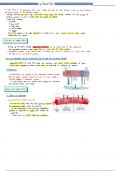
Tissue fluid is the fluid bathes of
extracellular which the cells most tissues ,
arriving via blood capillaries
the
and
being removed via
lymphatic vessels .
Therefore of
.
Although capillaries are small ,
they cannot serve
every single cell
directly .
the final
journey
metabolic materials is made in tissue fluid that bathes the tissues .
•
Tissue fluid contains
↳
glucose
↳ amino acids
↳
fatty acids
↳ ions in solution
↳ oxygen
-
Tissue fluid supplies all of these substances to tissues and in return receives CO2 and other waste
materials from the tissues .
7
Formation of tissue fluid
""""" a- e-
Pumping the heart of
by creates
hydrostatic arterial
'
at the end the capillaries
pressure .
fluid of blood
-
This
hydrostatic pressure causes tissue to move out
plasma .
fluid
→
Hydrostatic pressure is the pressure that is exerted
by a at
equilibrium at a
given point within
fluid force of
the , due to the
gravity .
fluid of ?
How is the hydrostatic pressure causing
tissue to move out plasma opposed
of fluid of
Hydrostatic pressure tissue outside capillaries which resists outward movement liquid
•
the , .
Lower water potential of blood water to back to
capillaries by osmosis
-
causes move .
Ultra filtration
Ultra filtration the which
hydrostatic
→ is in causes
process pressure
water and small dissolved molecules and ions to move across a
membrane
against a concentration
gradient .
To from
help prevent cells proteins leaking out capillaries
•
and ,
have fibrous tissues around them .
Return of Tissue Fluid
%
kEE÷⇐ %¥
1) Return to Capillaries
By hydrostatic pressure gradient
•
The loss of tissue fluid from the
capillaries reduces
the inside the capillaries
hydrostatic pressure
At the end of the
hydrostatic
i. venous capillary ,
capillaries is lower than outside of
pressure in
capillaries .
i. Tissue fluid is forced back into capillaries .
→
Tissue fluid is the fluid bathes of
extracellular which the cells most tissues ,
arriving via blood capillaries
the
and
being removed via
lymphatic vessels .
Therefore of
.
Although capillaries are small ,
they cannot serve
every single cell
directly .
the final
journey
metabolic materials is made in tissue fluid that bathes the tissues .
•
Tissue fluid contains
↳
glucose
↳ amino acids
↳
fatty acids
↳ ions in solution
↳ oxygen
-
Tissue fluid supplies all of these substances to tissues and in return receives CO2 and other waste
materials from the tissues .
7
Formation of tissue fluid
""""" a- e-
Pumping the heart of
by creates
hydrostatic arterial
'
at the end the capillaries
pressure .
fluid of blood
-
This
hydrostatic pressure causes tissue to move out
plasma .
fluid
→
Hydrostatic pressure is the pressure that is exerted
by a at
equilibrium at a
given point within
fluid force of
the , due to the
gravity .
fluid of ?
How is the hydrostatic pressure causing
tissue to move out plasma opposed
of fluid of
Hydrostatic pressure tissue outside capillaries which resists outward movement liquid
•
the , .
Lower water potential of blood water to back to
capillaries by osmosis
-
causes move .
Ultra filtration
Ultra filtration the which
hydrostatic
→ is in causes
process pressure
water and small dissolved molecules and ions to move across a
membrane
against a concentration
gradient .
To from
help prevent cells proteins leaking out capillaries
•
and ,
have fibrous tissues around them .
Return of Tissue Fluid
%
kEE÷⇐ %¥
1) Return to Capillaries
By hydrostatic pressure gradient
•
The loss of tissue fluid from the
capillaries reduces
the inside the capillaries
hydrostatic pressure
At the end of the
hydrostatic
i. venous capillary ,
capillaries is lower than outside of
pressure in
capillaries .
i. Tissue fluid is forced back into capillaries .