NEUROLOGY- NCLEX QUESTIONS WITH ANSWERS AND EXPLANATION
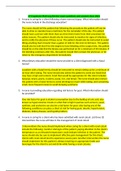
A white female client is admitted to an acute care facility with a diagnosis of cerebrovascular accident (CVA). Her history reveals bronchial asthma, exogenous obesity, and iron deficiency anemia. Which history finding is a risk factor for CVA? a. Caucasian race b. Female sex c. Obesity d. Bronchial asthma - Answer-Answer C. Obesity is a risk factor for CVA. Other risk factors include a history of ischemic episodes, cardiovascular disease, diabetes mellitus, atherosclerosis of the cranial vessels, hypertension, polycythemia, smoking, hypercholesterolemia, oral contraceptive use, emotional stress, family history of CVA, and advancing age. The client's race, sex, and bronchial asthma aren't risk factors for CVA. The nurse is teaching a female client with multiple sclerosis. When teaching the client how to reduce fatigue, the nurse should tell the client to: a. take a hot bath. b. rest in an air-conditioned room c. increase the dose of muscle relaxants. d. avoid naps during the day - Answer-Answer B. Fatigue is a common symptom in clients with multiple sclerosis. Lowering the body temperature by resting in an air-conditioned room may relieve fatigue; however, extreme cold should be avoided. A hot bath or shower can increase body temperature, producing fatigue. Muscle relaxants, prescribed to reduce spasticity, can cause drowsiness and fatigue. Planning for frequent rest periods and naps can relieve fatigue. Other measures to reduce fatigue in the client with multiple sclerosis include treating depression, using occupational therapy to learn energy conservation techniques, and reducing spasticity. A male client is having a tonic-clonic seizures. What should the nurse do first? a. Elevate the head of the bed. b. Restrain the client's arms and legs. c. Place a tongue blade in the client's mouth. d. Take measures to prevent injury. - Answer-Answer D. Protecting the client from injury is the immediate priority during a seizure. Elevating the head of the bed would have no effect on the client's condition or safety. Restraining the client's arms and legs could cause injury. Placing a tongue blade or other object in the client's mouth could damage the teeth. A female client with Guillain-Barré syndrome has paralysis affecting the respiratory muscles and requires mechanical ventilation. When the client asks the nurse about the paralysis, how should the nurse respond?
Written for
- Institution
- NEUROLOGY-
- Course
- NEUROLOGY-
Document information
- Uploaded on
- June 30, 2023
- Number of pages
- 9
- Written in
- 2022/2023
- Type
- Exam (elaborations)
- Contains
- Questions & answers
Subjects
- the nurse is working
-
neurology nclex questions
-
a white female client is admitted to an acute care
-
the nurse is teaching a female client with multipl
-
a female client with guillain barré syndrome has p

Also available in package deal