Inheritance
Sexual Reproduction
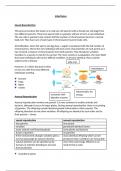
This process involves the fusion of a male sex cell (sperm) with a female sex cell (egg) from
two different parents. These two special cells or gametes will join to form a new individual.
The sex cells or gametes only contain half the number of chromosomes found in a normal
body cell. They have one of each type of chromosome found in body cells.
At fertilisation, when the sperm and egg fuse, a zygote is produced with the full number of
chromosomes. Hence the new individual will show some characteristics of each parent as it
has received a mixture of chromosomes from both parents. This introduces variation.
Variation in a species is vital for its survival. The more variety in a population, the more likely
that some individuals will survive difficult condition, if all were identical, they could be
wiped out by a disease. jelly coat
However, it’s riskier because it relies
on two sex cells from two different homologous
individuals meeting. pairs
humans
frogs
tigers
snakes
mitochondria for
acrosome with energy
Asexual Reproduction digestive enzyme
Asexual reproduction involves one parent. It is very common in smaller animals and
bacteria, although it occurs in larger plants. During asexual reproduction, there is no joining
of gametes. The offspring contain identical genetic information to their parents. The
offspring therefore do not show variation. All offspring are identical to each other and to
their parents – clones.
sexual reproduction asexual reproduction
two parents one parent
variation genetically identical clones
many animals and flowering plants some plants and bacteria
fusion of gametes no gametes
if the environment changes variation gives a many identical offspring which can be
survival advantage by natural selection produced when conditions are favourable
natural selection can be speeded up by more time and energy efficient as no
humans in selective breeding to increase need to find a mate
food production
strawberry plants
, spider plants
bulb sprouts
The main advantage of sexual reproduction over asexual reproduction is that it introduces
variation, which is key to long term survival of a species, that’s why sexual reproduction
takes place in a wide range of organisms. If offspring was identical then the whole species
could be wiped out by a disease or predator.
Key Terms
Sexual Reproduction – involves two gametes nuclei which fuse and form a zygote, which
develops into an individual through mitosis
Asexual Reproduction – only involves one parent, cells divide by mitosis, no fusion of
gametes so no variation of offspring thus forming genetically identical clones
Gamete – the female sex cell (egg cell) and male sex cell (sperm cell) or pollen grains, which
contain ½ the DNA for life (haploid).
Zygote – the single new cell formed by the fusion of gametes in sexual reproduction
(fertilisation) which is diploid.
Clone – genetically identical offspring formed by asexual reproduction
Malarial Parasites
They reproduce differently in different stages of their life cycle. Malarial parasites spend
part of their life cycle in the body of a female mosquito and another in a human’s blood
organs. Both asexual and sexual reproduction are part of the life cycle. They reproduce
asexually in human liver and blood cells. When the mosquito takes her blood meal, the drop
in temperature triggers sexual reproduction in some of the mosquito red blood cells. In a
20-minute window sexual reproduction forms develop, burst out of blood cells, meet and
form zygotes with two sets of chromosomes. These zygotes undergo meiosis to produce
new asexual parasites that will infect a new human host. Parasites show a lot of variation.
Fungi
Most commonly they conduct asexual reproduction. The visible parts (toadstools and
puffballs) are asexual fruiting bodies full of spores. The mould that rots our food reproduces
asexually too. Many fungi are made up of a mass of thin threads called hyphae, these are
produced by mitosis and are genetically identical. They reproduce sexually in bad
conditions. Two different hyphae fuse so the nuclei fuse, the new hypha has two sets of
chromosomes. It undergoes meiosis to make haploid spores, with one set of chromosomes
which have variation to adapt better to adverse conditions.
Strawberry Plants
Sexual Reproduction
This process involves the fusion of a male sex cell (sperm) with a female sex cell (egg) from
two different parents. These two special cells or gametes will join to form a new individual.
The sex cells or gametes only contain half the number of chromosomes found in a normal
body cell. They have one of each type of chromosome found in body cells.
At fertilisation, when the sperm and egg fuse, a zygote is produced with the full number of
chromosomes. Hence the new individual will show some characteristics of each parent as it
has received a mixture of chromosomes from both parents. This introduces variation.
Variation in a species is vital for its survival. The more variety in a population, the more likely
that some individuals will survive difficult condition, if all were identical, they could be
wiped out by a disease. jelly coat
However, it’s riskier because it relies
on two sex cells from two different homologous
individuals meeting. pairs
humans
frogs
tigers
snakes
mitochondria for
acrosome with energy
Asexual Reproduction digestive enzyme
Asexual reproduction involves one parent. It is very common in smaller animals and
bacteria, although it occurs in larger plants. During asexual reproduction, there is no joining
of gametes. The offspring contain identical genetic information to their parents. The
offspring therefore do not show variation. All offspring are identical to each other and to
their parents – clones.
sexual reproduction asexual reproduction
two parents one parent
variation genetically identical clones
many animals and flowering plants some plants and bacteria
fusion of gametes no gametes
if the environment changes variation gives a many identical offspring which can be
survival advantage by natural selection produced when conditions are favourable
natural selection can be speeded up by more time and energy efficient as no
humans in selective breeding to increase need to find a mate
food production
strawberry plants
, spider plants
bulb sprouts
The main advantage of sexual reproduction over asexual reproduction is that it introduces
variation, which is key to long term survival of a species, that’s why sexual reproduction
takes place in a wide range of organisms. If offspring was identical then the whole species
could be wiped out by a disease or predator.
Key Terms
Sexual Reproduction – involves two gametes nuclei which fuse and form a zygote, which
develops into an individual through mitosis
Asexual Reproduction – only involves one parent, cells divide by mitosis, no fusion of
gametes so no variation of offspring thus forming genetically identical clones
Gamete – the female sex cell (egg cell) and male sex cell (sperm cell) or pollen grains, which
contain ½ the DNA for life (haploid).
Zygote – the single new cell formed by the fusion of gametes in sexual reproduction
(fertilisation) which is diploid.
Clone – genetically identical offspring formed by asexual reproduction
Malarial Parasites
They reproduce differently in different stages of their life cycle. Malarial parasites spend
part of their life cycle in the body of a female mosquito and another in a human’s blood
organs. Both asexual and sexual reproduction are part of the life cycle. They reproduce
asexually in human liver and blood cells. When the mosquito takes her blood meal, the drop
in temperature triggers sexual reproduction in some of the mosquito red blood cells. In a
20-minute window sexual reproduction forms develop, burst out of blood cells, meet and
form zygotes with two sets of chromosomes. These zygotes undergo meiosis to produce
new asexual parasites that will infect a new human host. Parasites show a lot of variation.
Fungi
Most commonly they conduct asexual reproduction. The visible parts (toadstools and
puffballs) are asexual fruiting bodies full of spores. The mould that rots our food reproduces
asexually too. Many fungi are made up of a mass of thin threads called hyphae, these are
produced by mitosis and are genetically identical. They reproduce sexually in bad
conditions. Two different hyphae fuse so the nuclei fuse, the new hypha has two sets of
chromosomes. It undergoes meiosis to make haploid spores, with one set of chromosomes
which have variation to adapt better to adverse conditions.
Strawberry Plants