Elizabeth I
Early Years
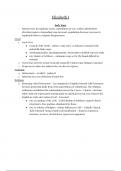
- Bad harvests, flu epidemic, heavy expenditure on war, workers disobedient
(dersting masters, demanding wage increase), population decrease, increase in
vagabonds/thieves, religious disagreement
Social
1. Local Govt:
● Council of the North - enforce wage rates, 113 labourers charged with
unlawfully high wages
● Northamptonshire, Buckinghamshire, Wostershire establish rates for trade
● 1563 Statute of Artificers - minimum wage set by JPs (found difficult to
manage)
2. ‘Deserving’ (actively seeked work/old/young/ill) ‘Undeserving’ (beggars/vagrants)
3. Progresses to show her subjects she was the new Queen
Economic
4. Debasement - recalled + replaced
5. Inherited £110,000 debt from French War
Religious
6. Returning exiled Protestants = Liz compared to ‘English Deborah’ (Old Testament
heroine) protecting godly from evils/superstitions of Catholicism. The religious
settlement established the relationship between the Crown + Church + doctrine,
others believed represented starting point for spiritual renewal, true Church, the
English as God’s elect nation (Cecil + Leicester):
● 1562 An Apology of the CofE - Exiled Bishop of Salisbury argued Church
returning to true position, abandoned by Rome
● 1563 39 Articles of Religion - Define differences CofE + Catholic Church,
‘half-reformed’ unsuccessful in all clarification = features of practice,
structure, services, clerical dress. Queen not supportive
, Society
1. Changes:
● Nobility peaceable, less concerned with defence = prestige through building
projects to accommodate Queen on progresses (Earl of Pembroke’s Burghley House,
Wilton)
● Increase in gentry (Knights of the shire, figures of national importance (Sir Hatton)
to modest landowners, esquires + JPs) + wealth
● Gap between rich + poor widened = consumer society amongst landed, mercantile,
professional classes, landed income increased, poor vulnerable to
enclosure/decrease real wages
2. Continuity:
● Aristocratic domination = highest peerage title a Duke (Somerset, Northumberland,
Suffolk, Norfolk all dies as traitors = Liz not make more titles after 1572)
● Majority lived in countryside
● Only large city London 150,000, few other cities with excess of 5000 = magnet for
migrants from other parts of country
3. Poor Laws:
● 1563 Statute of Artificers = poor relief (compulsory labour, minimum 1 yr period hire
of workmen in which they couldn’t be dismissed without good cause, JPs set
maximum wage rates) for the maintenance of order, elite saw threatened by
subsistence crisis 1590s (deaths from starvation)
● 1547 Vagrancy Act - undeserving punishment, repealed, but notion remained they
should be whipped. 1572 added branding. 1597 1st time offenders whipped, repeat
offenders executed
● 1572 Vagabonds Act - penalties against vagrants. JPs register poor in parish + raise
poor rate to provide shelter for elderly/sick. Local ratepayers required to pay a rate
for relief (allowed whipping, death penalty on 3rd offence)
● 1576 Act for the Relief of the Poor - able-bodied poor directed by JPs to find work,
refusal sent to house of correction
● 1598 Act for the Relief of the Poor - 4 overseers to supervise administration of relief.
Secure apprenticeships for children, employment for adults, build hospitals for
ols/sick. Funds raised by compulsory rate by parish members (series of bad harvests
= corn price up 80% = riots)
● 1598 Act for the Punishment of Rogues - JPs establish houses of correction, rogues
whipped
● 1601 Poor Law - parish responsible to raise rates, admin relief of impotent poor
(deserving), setting able-bodied work, apprenticing poor children
● 1563 Poor Law - those that could + would work given ‘outdoor relief’, ill, infirm,
elderly, children given ‘indoor’ taken into almshouses
Early Years
- Bad harvests, flu epidemic, heavy expenditure on war, workers disobedient
(dersting masters, demanding wage increase), population decrease, increase in
vagabonds/thieves, religious disagreement
Social
1. Local Govt:
● Council of the North - enforce wage rates, 113 labourers charged with
unlawfully high wages
● Northamptonshire, Buckinghamshire, Wostershire establish rates for trade
● 1563 Statute of Artificers - minimum wage set by JPs (found difficult to
manage)
2. ‘Deserving’ (actively seeked work/old/young/ill) ‘Undeserving’ (beggars/vagrants)
3. Progresses to show her subjects she was the new Queen
Economic
4. Debasement - recalled + replaced
5. Inherited £110,000 debt from French War
Religious
6. Returning exiled Protestants = Liz compared to ‘English Deborah’ (Old Testament
heroine) protecting godly from evils/superstitions of Catholicism. The religious
settlement established the relationship between the Crown + Church + doctrine,
others believed represented starting point for spiritual renewal, true Church, the
English as God’s elect nation (Cecil + Leicester):
● 1562 An Apology of the CofE - Exiled Bishop of Salisbury argued Church
returning to true position, abandoned by Rome
● 1563 39 Articles of Religion - Define differences CofE + Catholic Church,
‘half-reformed’ unsuccessful in all clarification = features of practice,
structure, services, clerical dress. Queen not supportive
, Society
1. Changes:
● Nobility peaceable, less concerned with defence = prestige through building
projects to accommodate Queen on progresses (Earl of Pembroke’s Burghley House,
Wilton)
● Increase in gentry (Knights of the shire, figures of national importance (Sir Hatton)
to modest landowners, esquires + JPs) + wealth
● Gap between rich + poor widened = consumer society amongst landed, mercantile,
professional classes, landed income increased, poor vulnerable to
enclosure/decrease real wages
2. Continuity:
● Aristocratic domination = highest peerage title a Duke (Somerset, Northumberland,
Suffolk, Norfolk all dies as traitors = Liz not make more titles after 1572)
● Majority lived in countryside
● Only large city London 150,000, few other cities with excess of 5000 = magnet for
migrants from other parts of country
3. Poor Laws:
● 1563 Statute of Artificers = poor relief (compulsory labour, minimum 1 yr period hire
of workmen in which they couldn’t be dismissed without good cause, JPs set
maximum wage rates) for the maintenance of order, elite saw threatened by
subsistence crisis 1590s (deaths from starvation)
● 1547 Vagrancy Act - undeserving punishment, repealed, but notion remained they
should be whipped. 1572 added branding. 1597 1st time offenders whipped, repeat
offenders executed
● 1572 Vagabonds Act - penalties against vagrants. JPs register poor in parish + raise
poor rate to provide shelter for elderly/sick. Local ratepayers required to pay a rate
for relief (allowed whipping, death penalty on 3rd offence)
● 1576 Act for the Relief of the Poor - able-bodied poor directed by JPs to find work,
refusal sent to house of correction
● 1598 Act for the Relief of the Poor - 4 overseers to supervise administration of relief.
Secure apprenticeships for children, employment for adults, build hospitals for
ols/sick. Funds raised by compulsory rate by parish members (series of bad harvests
= corn price up 80% = riots)
● 1598 Act for the Punishment of Rogues - JPs establish houses of correction, rogues
whipped
● 1601 Poor Law - parish responsible to raise rates, admin relief of impotent poor
(deserving), setting able-bodied work, apprenticing poor children
● 1563 Poor Law - those that could + would work given ‘outdoor relief’, ill, infirm,
elderly, children given ‘indoor’ taken into almshouses