INTEGRITY OF iPS CLONES
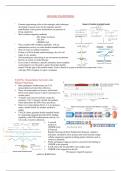
Leukaemia Due to Gene Therapy of Severe Combined Immune Deficiency
© It is absolutely imperative that differentiated iPS clones (when used as treatment)
can be used safely for the individual.
© Severe combined immune deficiency (SCID) is a group of genetic diseases that are
caused by mutations in certain genes involved in immune system development and
function.
© Causes infant mortality, due to overwhelming infections.
© SCID is cured by bone-marrow transplantation by transfer
of normal haematopoietic stem cells from and HLA
matched (sibling) donor.
© X-linked SCID is caused by mutations in the gene encoding
yc, a constituent chain of cytokine receptors expressed in
T-,B- and natural-killer cells.
© The mutations found in the yc gene in patients with X-
linked SCID, prevent signalling through at least six
different interleukin receptors, thereby impairing T-cell, B-
cell and NK cell development.
© In gene therapy for X-linked SCID a retroviral vector was used to introduce a
functional copy of the yc gene, via retroviral transduction in the patients,
haematopoietic stem cells. Expression of yc restores the cytokine response and
allows differentiation of CLP to B, T and NK cells, resulting in immune
reconstitution.
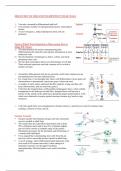
© What happened in some patients integration of the yc gene near the LMO2
gene (LIM Domain Only 2), lead to dysregulated expression, which caused T cell leukaemia 3 years
later. LMO2 is a proto-oncogene, expressed by haematopoietic progenitors and cells of the myeloid
lineage, but not in T cells. LMO2 transcription is activated in childhood acute lymphoblastic
leukaemia cells as a consequence of translocation. Transgenic mice that express LMO2 under the
control of the CD2 enhancer/promoter develop T-cell tumours from 5 months after birth.
© It is imperative that tissues derived from iPS cells are free from alterations which cause disease.
Mutations in iPS Clones
* Hussain SM et al. Copy number variation and selection during reprogramming to pluripotency. Using
SNP arrays to study copy number changes in iPS clones from retroviral and PiggyBac reprogramming.
High mutation level in human iPS cells is reduced through moderate culture. There are a lot of
insertions and deletions with piggyBac and retroviral transductions. There is
a need to check other reprogramming methods.
* Cheng et al. low incidence of DNA sequence variation in human induced
pluripotent stem cells generated by non-integrating plasmid expression.
Using whole genome sequencing to study copy number changes and
mutation in iPS clones from reprogramming with episomal vectors. No copy
number variants. Non-integrative reprogramming is the way forward.
Integrative methods have significantly higher number of mutations (often
large insertions/deletions).
* Johannesson et al. comparable frequencies of coding mutations and loss of
imprinting in human pluripotent cells derived by nuclear transfer and defined
factors.
* Laurent LCC et al. Dynamic changes in the copy number of pluripotency
and cell proliferation genes in human ESCs and iPSCs during reprogramming
and time in culture. Using SNP arrays to study copy number changes:
mutations occur when cells are in tissue culture, mutations can become visible upon differentiation.
Cardiomyocyte differentiation from hESCs. SNP array analysis shows 3 duplications on chr20. This
, indicates that differentiation can be highly selective process in which aberrant cells rapidly take over a
population (growth advantage). Important to analyse differentiated cells if used therapeutically.
* A systematic analysis of large insertions/deletions, point mutations in iPS clones derived from
different reprogramming methods, between isogenic lines (the same genotype), is lacking.
* Mutation should be minimised when cells are transplanted to the patients.
* Time in tissue culture should be kept to a minimum (leads to additional mutations).
* At least the techniques to determine these changes are available. Whole Genome Sequencing, and
CGH/SNP array should be performed on the cells which are to be implanted (mutations at a low level
in iPS clones can readily take over when iPS clones are differentiated).
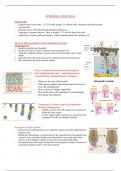
Teratoma Formation
o When undifferentiated iPS cells are present.
o Tucker et al. Transplantation of adult mouse
iPS cell-derived photoreceptor precursors
restores retinal structure and function in
degenerative mice.
o Retinal degenerative diseases such as retinitis
pigmentosa, and age-related macular
degeneration (AMD) are the leading cause of
incurable blindness in the western world.
o This is caused by the death of light sensing
photoreceptor cells in the outer neural retina.
o This regenerative capacity of the mammalian retina is extremely limited; the only viable treatment is
cellular replacement.
Suicide Genes
Badel et al. Preventing pluripotent cell teratoma in regenerative medicine applied to hematology
disorders.
Analysis of suicide gene expression in undifferentiated iPS cells. Found killing of non-pluripotent
cells with one suicide gene.
Found too little killing (undifferentiated iPS cells still present) with another suicide gene.
They also indicate the importance of knowledge pf pathways needed for undifferentiated iPSC
survival.
They used an inhibitor which induces apoptosis in undifferentiated iPS cells, and this killed the cells
very efficiently, whilst sparing the differentiated cells.
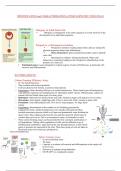
X-Chromosome Inactivation
In the mouse (female cells) during the cleavage stage,
the paternal X-chromosome is inactivated (Xi) is
reactivated in the inner cell mass of the blastocyst. After
implantation, a second, random Xi occurs.
Human less clear it looks like Xi occurs after the
blastocyst stage.
= Human ES cells are unstable and prone to changes during culture.
= Naïve stage undifferentiated hESC, 2 active X chromosomes; when differentiated 2 chromosome
becomes inactive.
Leukaemia Due to Gene Therapy of Severe Combined Immune Deficiency
© It is absolutely imperative that differentiated iPS clones (when used as treatment)
can be used safely for the individual.
© Severe combined immune deficiency (SCID) is a group of genetic diseases that are
caused by mutations in certain genes involved in immune system development and
function.
© Causes infant mortality, due to overwhelming infections.
© SCID is cured by bone-marrow transplantation by transfer
of normal haematopoietic stem cells from and HLA
matched (sibling) donor.
© X-linked SCID is caused by mutations in the gene encoding
yc, a constituent chain of cytokine receptors expressed in
T-,B- and natural-killer cells.
© The mutations found in the yc gene in patients with X-
linked SCID, prevent signalling through at least six
different interleukin receptors, thereby impairing T-cell, B-
cell and NK cell development.
© In gene therapy for X-linked SCID a retroviral vector was used to introduce a
functional copy of the yc gene, via retroviral transduction in the patients,
haematopoietic stem cells. Expression of yc restores the cytokine response and
allows differentiation of CLP to B, T and NK cells, resulting in immune
reconstitution.
© What happened in some patients integration of the yc gene near the LMO2
gene (LIM Domain Only 2), lead to dysregulated expression, which caused T cell leukaemia 3 years
later. LMO2 is a proto-oncogene, expressed by haematopoietic progenitors and cells of the myeloid
lineage, but not in T cells. LMO2 transcription is activated in childhood acute lymphoblastic
leukaemia cells as a consequence of translocation. Transgenic mice that express LMO2 under the
control of the CD2 enhancer/promoter develop T-cell tumours from 5 months after birth.
© It is imperative that tissues derived from iPS cells are free from alterations which cause disease.
Mutations in iPS Clones
* Hussain SM et al. Copy number variation and selection during reprogramming to pluripotency. Using
SNP arrays to study copy number changes in iPS clones from retroviral and PiggyBac reprogramming.
High mutation level in human iPS cells is reduced through moderate culture. There are a lot of
insertions and deletions with piggyBac and retroviral transductions. There is
a need to check other reprogramming methods.
* Cheng et al. low incidence of DNA sequence variation in human induced
pluripotent stem cells generated by non-integrating plasmid expression.
Using whole genome sequencing to study copy number changes and
mutation in iPS clones from reprogramming with episomal vectors. No copy
number variants. Non-integrative reprogramming is the way forward.
Integrative methods have significantly higher number of mutations (often
large insertions/deletions).
* Johannesson et al. comparable frequencies of coding mutations and loss of
imprinting in human pluripotent cells derived by nuclear transfer and defined
factors.
* Laurent LCC et al. Dynamic changes in the copy number of pluripotency
and cell proliferation genes in human ESCs and iPSCs during reprogramming
and time in culture. Using SNP arrays to study copy number changes:
mutations occur when cells are in tissue culture, mutations can become visible upon differentiation.
Cardiomyocyte differentiation from hESCs. SNP array analysis shows 3 duplications on chr20. This
, indicates that differentiation can be highly selective process in which aberrant cells rapidly take over a
population (growth advantage). Important to analyse differentiated cells if used therapeutically.
* A systematic analysis of large insertions/deletions, point mutations in iPS clones derived from
different reprogramming methods, between isogenic lines (the same genotype), is lacking.
* Mutation should be minimised when cells are transplanted to the patients.
* Time in tissue culture should be kept to a minimum (leads to additional mutations).
* At least the techniques to determine these changes are available. Whole Genome Sequencing, and
CGH/SNP array should be performed on the cells which are to be implanted (mutations at a low level
in iPS clones can readily take over when iPS clones are differentiated).
Teratoma Formation
o When undifferentiated iPS cells are present.
o Tucker et al. Transplantation of adult mouse
iPS cell-derived photoreceptor precursors
restores retinal structure and function in
degenerative mice.
o Retinal degenerative diseases such as retinitis
pigmentosa, and age-related macular
degeneration (AMD) are the leading cause of
incurable blindness in the western world.
o This is caused by the death of light sensing
photoreceptor cells in the outer neural retina.
o This regenerative capacity of the mammalian retina is extremely limited; the only viable treatment is
cellular replacement.
Suicide Genes
Badel et al. Preventing pluripotent cell teratoma in regenerative medicine applied to hematology
disorders.
Analysis of suicide gene expression in undifferentiated iPS cells. Found killing of non-pluripotent
cells with one suicide gene.
Found too little killing (undifferentiated iPS cells still present) with another suicide gene.
They also indicate the importance of knowledge pf pathways needed for undifferentiated iPSC
survival.
They used an inhibitor which induces apoptosis in undifferentiated iPS cells, and this killed the cells
very efficiently, whilst sparing the differentiated cells.
X-Chromosome Inactivation
In the mouse (female cells) during the cleavage stage,
the paternal X-chromosome is inactivated (Xi) is
reactivated in the inner cell mass of the blastocyst. After
implantation, a second, random Xi occurs.
Human less clear it looks like Xi occurs after the
blastocyst stage.
= Human ES cells are unstable and prone to changes during culture.
= Naïve stage undifferentiated hESC, 2 active X chromosomes; when differentiated 2 chromosome
becomes inactive.