Utilitarianism
“How convincing is utilitarianism as an account of what makes an action morally right”
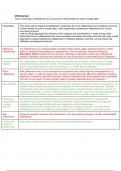
Introduction This essay will be arguing that Bentham’s hedonistic forms of utilitarianism are insufficient accounts
of what makes an action morally right, I will instead take a preference utilitarianism as a more
convincing account.
I will be using arguments from tyranny of the majority and rule fetishism in order to show that
hedonistic forms of utilitarianism are overly simplistic and black and white accounts. My most crucial
argument to support preference utilitarianism is Nozick's pleasure machine, as this shows that
utilitarians presuppose hedonism.
Define act Act utilitarianism is a consequentialist normative theory which judges individual actions on their
utilitarianism ability to maximise utility (pleasure), quantitatively. This is hedonistic, hedonism being the
descriptive theory (states how the world is), claiming an individual's actions are motivated by
pleasure. Bentham uses this and posits that the only thing which is intrinsically good is happiness
Tyranny of the Act utilitarianism is very dangerous in practice and will lead to counter intuitive results, through
majority prescribing blatantly immoral maxims, with disregard for human semantics or individual rights,
which, as an ethical theory, is very unconvincing. 1 v. 10,000 (torture example)
Rules Rule utilitarians focus on the consequences of general rules rather than the consequences of a
utilitarianism specific action. In order to make a rule, we must conceive that rules affect the wellbeing of society,
weighing if it would be “generally injurious” (cause a constant level of anxiousness and uncertainty).
The rule ‘do not punish innocent people’ leads to greater happiness than not following it.
Rule fetishism Although rule utilitarianism overcomes tyranny of the majority, it is weak in virtue of rule fetishim, the
blindly sticking to rules, placing too much emphasis can lead to undesirable outcomes. Stringent
adherence to rules simply because they are rules leads to counter intuitive outcomes, such as not
“keeping off the grass” in order to save someone from drowning. This theory may seem plausible on
paper, however, in practice, is an unrealistic prescriptive theory which is hard to adhere to.
Preference Non hedonistic forms of utilitarianism overcome issues of hedonistic forms of utilitarianism,
utilitarianism is strengthening this using Nozick's experience machine- shows that utilitarianism presupposes
a better hedonism, other things are desirable over happiness, such as preferences.
account Preferences tend to be “avoidance of pain” rather than “pleasure seeking”, it is better to hel
suffering people than non suffering people happier. Thus making a more convincing account.
Bad Surely we shouldnt maximise bad preferences, such as punching strangers, morally objectionable
preferences preferences.
Limiting the Only accept preferences which only allow morally acceptable preferences
scope of
preferences
“How convincing is utilitarianism as an account of what makes an action morally right”
Introduction This essay will be arguing that Bentham’s hedonistic forms of utilitarianism are insufficient accounts
of what makes an action morally right, I will instead take a preference utilitarianism as a more
convincing account.
I will be using arguments from tyranny of the majority and rule fetishism in order to show that
hedonistic forms of utilitarianism are overly simplistic and black and white accounts. My most crucial
argument to support preference utilitarianism is Nozick's pleasure machine, as this shows that
utilitarians presuppose hedonism.
Define act Act utilitarianism is a consequentialist normative theory which judges individual actions on their
utilitarianism ability to maximise utility (pleasure), quantitatively. This is hedonistic, hedonism being the
descriptive theory (states how the world is), claiming an individual's actions are motivated by
pleasure. Bentham uses this and posits that the only thing which is intrinsically good is happiness
Tyranny of the Act utilitarianism is very dangerous in practice and will lead to counter intuitive results, through
majority prescribing blatantly immoral maxims, with disregard for human semantics or individual rights,
which, as an ethical theory, is very unconvincing. 1 v. 10,000 (torture example)
Rules Rule utilitarians focus on the consequences of general rules rather than the consequences of a
utilitarianism specific action. In order to make a rule, we must conceive that rules affect the wellbeing of society,
weighing if it would be “generally injurious” (cause a constant level of anxiousness and uncertainty).
The rule ‘do not punish innocent people’ leads to greater happiness than not following it.
Rule fetishism Although rule utilitarianism overcomes tyranny of the majority, it is weak in virtue of rule fetishim, the
blindly sticking to rules, placing too much emphasis can lead to undesirable outcomes. Stringent
adherence to rules simply because they are rules leads to counter intuitive outcomes, such as not
“keeping off the grass” in order to save someone from drowning. This theory may seem plausible on
paper, however, in practice, is an unrealistic prescriptive theory which is hard to adhere to.
Preference Non hedonistic forms of utilitarianism overcome issues of hedonistic forms of utilitarianism,
utilitarianism is strengthening this using Nozick's experience machine- shows that utilitarianism presupposes
a better hedonism, other things are desirable over happiness, such as preferences.
account Preferences tend to be “avoidance of pain” rather than “pleasure seeking”, it is better to hel
suffering people than non suffering people happier. Thus making a more convincing account.
Bad Surely we shouldnt maximise bad preferences, such as punching strangers, morally objectionable
preferences preferences.
Limiting the Only accept preferences which only allow morally acceptable preferences
scope of
preferences