

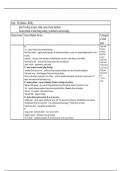
Topic: The Question - Shelley
- Idea of revelling in nature, within a sense of acute loneliness
- Escapist tension of nature being soothing, yet destructive and enveloping
Themes/Context Literary/Dramatic Devices Techniques
of whole
poem
S1 - ottava rima –
‘way’ – rhymes with astray, plays on special nomadism (8 rhymes)
‘Bare Winter suddenly’ – suggests unnatural spontaneity tension between idealised vs. reality, also a temporal displacement that is lovely alternating
rhyme that’s
yet jarring
resolved/
‘murmuring’ – coalescing, secretive atmosphere, foreshadowing later in the poem – nature robbing us of our selfhood simplicised by
‘kissed it and then fled,’ – references Judas’ betrayal, caesura stunts verb (ambig dich) couplet at end
‘stream/ in dream’ – epigrammatical couplet ending light/ springy/
S2 – nature/ escapism is transient (taking/ dissolving) comic form that
‘constellated flower that never sets;’ – perfection of dream transcends and displaces time/ space immortal and dangerous Shelley puts
‘Faint/ tender/ scarce’ – ethereal language is fleeting and lacking in substance dark undertones
‘Heaven’s collected tears,/ its playmate’s voice, it hears.’ – rain alives/ beautifies nature (pathos), also awkward reversal of syntax in 2 nd into
- Cyclical
couplet, shows confusion and links hearing/ crying
stanzas
S3 – untamed replication – sense of overabundance nature is sickeningly over productive
‘hedge grew lush eglantine’ – gives sense of it being parasitical growing in the manmade, added to by intoxication of ‘wine’
‘And’ – repeated, catalogued anaphora of stanza shows untamed proliferation – Darwin (evolution and mingling)
‘wild roses’, ‘ivy serpentine’ – darker untamed creeps in
‘wild/ dark/ black’ – transgressive danger
S4 – he plays shadowy against perspicuity can see more yet less
‘trembling edge’ – visceral, suggests expanding fear (active verb) oxymoron shows liminal space of threshold between consc/unconsc
‘moonlight beams of their own watery light’ – mixes supernatural and natural imagery implies this is not constant
‘soothed/ sober/ sheen’ – muted sibilance has sobering effect
S5
‘nosegay, bound’, ‘imprisoned children’ – fixes visions to real life
‘mingled or opposed’ – dichotomises colours and confusion
‘Oh! To whom?’ – exclamatory and question cuts off from society, no one to give flowers to
- Idea of revelling in nature, within a sense of acute loneliness
- Escapist tension of nature being soothing, yet destructive and enveloping
Themes/Context Literary/Dramatic Devices Techniques
of whole
poem
S1 - ottava rima –
‘way’ – rhymes with astray, plays on special nomadism (8 rhymes)
‘Bare Winter suddenly’ – suggests unnatural spontaneity tension between idealised vs. reality, also a temporal displacement that is lovely alternating
rhyme that’s
yet jarring
resolved/
‘murmuring’ – coalescing, secretive atmosphere, foreshadowing later in the poem – nature robbing us of our selfhood simplicised by
‘kissed it and then fled,’ – references Judas’ betrayal, caesura stunts verb (ambig dich) couplet at end
‘stream/ in dream’ – epigrammatical couplet ending light/ springy/
S2 – nature/ escapism is transient (taking/ dissolving) comic form that
‘constellated flower that never sets;’ – perfection of dream transcends and displaces time/ space immortal and dangerous Shelley puts
‘Faint/ tender/ scarce’ – ethereal language is fleeting and lacking in substance dark undertones
‘Heaven’s collected tears,/ its playmate’s voice, it hears.’ – rain alives/ beautifies nature (pathos), also awkward reversal of syntax in 2 nd into
- Cyclical
couplet, shows confusion and links hearing/ crying
stanzas
S3 – untamed replication – sense of overabundance nature is sickeningly over productive
‘hedge grew lush eglantine’ – gives sense of it being parasitical growing in the manmade, added to by intoxication of ‘wine’
‘And’ – repeated, catalogued anaphora of stanza shows untamed proliferation – Darwin (evolution and mingling)
‘wild roses’, ‘ivy serpentine’ – darker untamed creeps in
‘wild/ dark/ black’ – transgressive danger
S4 – he plays shadowy against perspicuity can see more yet less
‘trembling edge’ – visceral, suggests expanding fear (active verb) oxymoron shows liminal space of threshold between consc/unconsc
‘moonlight beams of their own watery light’ – mixes supernatural and natural imagery implies this is not constant
‘soothed/ sober/ sheen’ – muted sibilance has sobering effect
S5
‘nosegay, bound’, ‘imprisoned children’ – fixes visions to real life
‘mingled or opposed’ – dichotomises colours and confusion
‘Oh! To whom?’ – exclamatory and question cuts off from society, no one to give flowers to


