Cell Division
Genetic Material
The body is made up of cells. Each cell contains a nucleus which contains the genetic
information and controls the cell. Each nucleus contains lots of little thread like structures
called chromosomes. Chromosomes carry the genetic information which controls how your
body works and your characteristics. There are 46 chromosomes in a human body cell (23
pairs). Each chromosome is made up of a long-coiled strand of molecule called DNA. Each
chromosome contains a large number of genes. Each gene is a section of DNA which codes
for a protein molecule which controls one characteristic.
Gametes
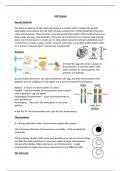
A female has egg cells which contain 23
chromosomes. A male has sperm cells
which contains 23 chromosomes. The
gametes are haploids.
During sexual intercourse, the sperm penetrates the egg, and their chromosomes fuse
together to form a diploid. So, the zygote has a full set of paired chromosomes.
diploid – a full set of chromosomes (in pairs)
haploid – half the number of chromosomes (not in pairs)
only in gametes: egg and sperm
homologous chromosomes – a pair of chromosomes (a
pair matched up)
homologous – they carry the same genes in the same
position
A boy has XY sex chromosomes and a girl has XX chromosomes.
Chromosomes
It’s during replication where chromosomes appear like crosses.
Cell in between divisions: Chromosomes not visible – DNA uncoiled into
chromatin.
Cell just before divides: DNA coiled (condensed) up so can see chromosomes
and DNA has been replicated so have two copies of every chromosome.
Cell just after divides: DNA coiled up so can chromosomes – single
chromosomes as copies have been separated into two different cells.
The Cell Cycle
, Interphase
G1 – Gap 1: Cell makes material it needs
S – Synthesis Phase: DNA is replicated so each of 46
chromosomes are copied (the cell has 92 chromatids)
G2 – Gap 2: Cells makes materials it needs
G0 – Zero Growth Phase: Non-dividing cells exit the cycle, this
happens when a cell has specialised and will carry out a
particular function e.g. nerve or muscle cell.
Replication of DNA to form two copies of each chromosomes
and synthesis of new sub cellular structures.
This is the longest stage. The cells grow bigger, increase their mass and carry out normal cell
activities. Most importantly they replicate DNA to form two copies of each chromosome
ready for cell division. Increase number of sub cellular structures such as mitochondria,
ribosome and chloroplasts make the cell ready to divide.
Mitosis
In this process one set of chromosomes is pulled to each end of the dividing cell and the
nucleus divides.
Mitosis is a type of cell division which produces genetically identical cells also known as
clones. They are used for:
Growth – from a zygote cell division makes foetus, baby,
toddler, child, teenager…
The Cell Cycle
Repair/ Replacement – can replace damaged cells by
providing the divided one.
Asexual Reproduction – needs only one parent cell, mostly
common in plants.
Cytokinesis
This is the stage during which the cytoplasm and the cell
membranes also divides to form two identical daughter Stage 1 Stage 2 Stage 3
cells. This is when the cell divides in two, clones.
DNA replication
during interphase
Chromosomes are replicated in
interphase. Then one set of
after replication chromosomes chromatids are pulled to each
consist of two sister chromatids end of the cell. The cell uses a
special structure called the
spindal fibres. The
pairs don’t move chromosomes break at
Genetic Material
The body is made up of cells. Each cell contains a nucleus which contains the genetic
information and controls the cell. Each nucleus contains lots of little thread like structures
called chromosomes. Chromosomes carry the genetic information which controls how your
body works and your characteristics. There are 46 chromosomes in a human body cell (23
pairs). Each chromosome is made up of a long-coiled strand of molecule called DNA. Each
chromosome contains a large number of genes. Each gene is a section of DNA which codes
for a protein molecule which controls one characteristic.
Gametes
A female has egg cells which contain 23
chromosomes. A male has sperm cells
which contains 23 chromosomes. The
gametes are haploids.
During sexual intercourse, the sperm penetrates the egg, and their chromosomes fuse
together to form a diploid. So, the zygote has a full set of paired chromosomes.
diploid – a full set of chromosomes (in pairs)
haploid – half the number of chromosomes (not in pairs)
only in gametes: egg and sperm
homologous chromosomes – a pair of chromosomes (a
pair matched up)
homologous – they carry the same genes in the same
position
A boy has XY sex chromosomes and a girl has XX chromosomes.
Chromosomes
It’s during replication where chromosomes appear like crosses.
Cell in between divisions: Chromosomes not visible – DNA uncoiled into
chromatin.
Cell just before divides: DNA coiled (condensed) up so can see chromosomes
and DNA has been replicated so have two copies of every chromosome.
Cell just after divides: DNA coiled up so can chromosomes – single
chromosomes as copies have been separated into two different cells.
The Cell Cycle
, Interphase
G1 – Gap 1: Cell makes material it needs
S – Synthesis Phase: DNA is replicated so each of 46
chromosomes are copied (the cell has 92 chromatids)
G2 – Gap 2: Cells makes materials it needs
G0 – Zero Growth Phase: Non-dividing cells exit the cycle, this
happens when a cell has specialised and will carry out a
particular function e.g. nerve or muscle cell.
Replication of DNA to form two copies of each chromosomes
and synthesis of new sub cellular structures.
This is the longest stage. The cells grow bigger, increase their mass and carry out normal cell
activities. Most importantly they replicate DNA to form two copies of each chromosome
ready for cell division. Increase number of sub cellular structures such as mitochondria,
ribosome and chloroplasts make the cell ready to divide.
Mitosis
In this process one set of chromosomes is pulled to each end of the dividing cell and the
nucleus divides.
Mitosis is a type of cell division which produces genetically identical cells also known as
clones. They are used for:
Growth – from a zygote cell division makes foetus, baby,
toddler, child, teenager…
The Cell Cycle
Repair/ Replacement – can replace damaged cells by
providing the divided one.
Asexual Reproduction – needs only one parent cell, mostly
common in plants.
Cytokinesis
This is the stage during which the cytoplasm and the cell
membranes also divides to form two identical daughter Stage 1 Stage 2 Stage 3
cells. This is when the cell divides in two, clones.
DNA replication
during interphase
Chromosomes are replicated in
interphase. Then one set of
after replication chromosomes chromatids are pulled to each
consist of two sister chromatids end of the cell. The cell uses a
special structure called the
spindal fibres. The
pairs don’t move chromosomes break at