

Topic:
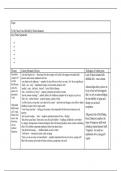
To My Nine-Year-Old-Self by Helen Dunmore
Key Points/Arguments
Themes Literary/Dramatic Devices Techniques of whole poem
Encounters ‘you must forgive me.’ – dissociates from her younger self, modal verb suggests unwanted adult Lack of rhyme scheme kills
younger self presence and caesura emphasises first line childlike feel – more solemn
in poem ‘your hands on the tightrope.’ – metaphor for her oblivion to what is to come, ‘the’ shows significance
Past/Present, ‘climb…run…leap’ – enjambment imagery of movement, dynamic verbs
create two ‘spoiled…scars…bad back…bruised’ – lexical field of damage
Acknowledges that you have to
aspects of a ‘look…watch the way I move’ – stagnant, juxtaposes movement in stanza let go of past self and suggests
personality ‘into the summer morning?’ – pathetic fallacy for childhood, metaphor for her urgency to grow up that it is only in acknowledging
Youth ‘baby vole…sherbet lemons’ – pastoral imagery, garden of eden the inevitability of aging and
‘ice-lolly factory, a wasp trap / and a den by the cesspit’ – adult universal imagery, tone shifts to darker change we can teach
Child/Adult adulthood, creeps in but is sugar coated
Male/Female
acceptance.
‘I won’t keep you then.’ – letting go of memory or the impassable divide between innocence and
‘girl’ young maturity
females have ‘time to pick rosehips… / time’ – anaphora, ephemeral nature of time – fleeting
Allegorical tale of Red Riding
most to fear
‘hide down scared lanes / from men in cars after girl-children’ – hypallage, childhood is not without Hood, Dunmore employs the
from these trope of dangerous adult male
it’s dangers. Juxtaposition of innocent hedgerow fruit with sinister predatory males creates a disturbing
non too
mythical
effect. Girl-children compound emphasises threat from plural males intruding virginal pastoral idyll.
bogeymen ‘long buried in housing –‘ – childhood dead, can never return ‘Tuppence’ was used as a
‘.God knows’ – interjection, harsh, reality of aging euphemism for a young girls’
‘I leave you in an ecstasy of concentration’ – complete separation between two selves, younger self vagina
filled with curiosity and wonder at bodies resilience, juxtaposing ‘ripe scab’
To My Nine-Year-Old-Self by Helen Dunmore
Key Points/Arguments
Themes Literary/Dramatic Devices Techniques of whole poem
Encounters ‘you must forgive me.’ – dissociates from her younger self, modal verb suggests unwanted adult Lack of rhyme scheme kills
younger self presence and caesura emphasises first line childlike feel – more solemn
in poem ‘your hands on the tightrope.’ – metaphor for her oblivion to what is to come, ‘the’ shows significance
Past/Present, ‘climb…run…leap’ – enjambment imagery of movement, dynamic verbs
create two ‘spoiled…scars…bad back…bruised’ – lexical field of damage
Acknowledges that you have to
aspects of a ‘look…watch the way I move’ – stagnant, juxtaposes movement in stanza let go of past self and suggests
personality ‘into the summer morning?’ – pathetic fallacy for childhood, metaphor for her urgency to grow up that it is only in acknowledging
Youth ‘baby vole…sherbet lemons’ – pastoral imagery, garden of eden the inevitability of aging and
‘ice-lolly factory, a wasp trap / and a den by the cesspit’ – adult universal imagery, tone shifts to darker change we can teach
Child/Adult adulthood, creeps in but is sugar coated
Male/Female
acceptance.
‘I won’t keep you then.’ – letting go of memory or the impassable divide between innocence and
‘girl’ young maturity
females have ‘time to pick rosehips… / time’ – anaphora, ephemeral nature of time – fleeting
Allegorical tale of Red Riding
most to fear
‘hide down scared lanes / from men in cars after girl-children’ – hypallage, childhood is not without Hood, Dunmore employs the
from these trope of dangerous adult male
it’s dangers. Juxtaposition of innocent hedgerow fruit with sinister predatory males creates a disturbing
non too
mythical
effect. Girl-children compound emphasises threat from plural males intruding virginal pastoral idyll.
bogeymen ‘long buried in housing –‘ – childhood dead, can never return ‘Tuppence’ was used as a
‘.God knows’ – interjection, harsh, reality of aging euphemism for a young girls’
‘I leave you in an ecstasy of concentration’ – complete separation between two selves, younger self vagina
filled with curiosity and wonder at bodies resilience, juxtaposing ‘ripe scab’


