Part 1: NBHWC Code of Ethics: Definitions Questions with complete solutions
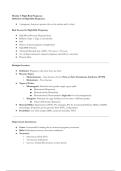
Part 1: NBHWC Code of Ethics: Definitions Questions with complete solutions NBHWC National Board of Health & Wellness Coaching is committed to maintaining and promoting excellence in coaching. Therefore, NBHWC expects all credentialed health and wellness coaches (coaches, coach faculty and mentors, and students) to adhere to the elements and principles of ethical conduct: to be competent and integrate NBHWC Health and Wellness Coach Competencies effectively in their work. NBHWC Code of Ethics Is designed to provide appropriate guidelines, accountability and enforceable standards of conduct for all NBHWC Credential- holders. In line with the NBHWC definition of coaching, all NBHWC Credential-holders commit to abiding by the following Code of Ethics. Health and Wellness Coaching Health and Wellness Coaches partner with clients seeking self-directed, lasting changes, aligned with their values, which promote health and wellness and, thereby, enhance well- being. In the course of their work health and wellness coaches display unconditional positive regard for their clients and a belief in their capacity for change, and honoring that each client is an expert on his or her life, while ensuring that all interactions are respectful and non-judgmental. NBHWC Coach A health and wellness coach certified by the NBHWC (after the National Certification Examination is available); and who thereby agrees to practice within the NBHWC Health and Wellness Coach Scope of Practice and Competencies and who pledges accountability to the NBHWC Code of Ethics. Professional Coaching Relationship A professional coaching relationship exists when coaching includes an agreement (including contracts) that defines the rights, roles and responsibilities of each party. Roles within Coaching Relationships In order to clarify roles in the coaching relationship it is often necessary to distinguish between the client and the sponsor. In most cases, the client and sponsor are the same person and are therefore jointly referred to as the client. 1. Client 2. Sponsor 3. Student 4. Faculty 5. Mentor 6. Conflict of Interest Client The person(s) being coached. (May also be referred to as "coachee," "patient," or "member" in some settings.) Sponsor The entity (including its representatives) paying for and/or arranging for coaching services to be provided. In all cases, coaching agreements should clearly establish the rights, roles and responsibilities for both the client and sponsor if the client and sponsor are different people. Student Someone enrolled in an NBHWC-approved coach training program or working with an NBHWC-approved faculty member or coach mentor, in order to learn the coaching process or to develop and enhance his /her coaching skills. Faculty An individual who provides primary instruction/training to students enrolled in an NBHWC-approved coach training program.
Written for
- Institution
- NBHWC
- Course
- NBHWC
Document information
- Uploaded on
- June 15, 2023
- Number of pages
- 2
- Written in
- 2022/2023
- Type
- Exam (elaborations)
- Contains
- Questions & answers
Subjects
-
part 1 nbhwc code of ethics definitions question
-
nbhwc national board of health amp wellness coaching
-
nbhwc code of ethics is designed to provide approp
-
health and wellness coaching health and wel

Also available in package deal