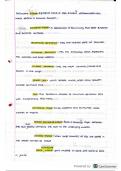
Introduction to the Immune System
Definitions:
Pathogenicity- ability of microbe to induce disease
Antigen- molecule that is recognised by the immune system
Immunogen- part of antigen that induces immune reaction
Epitope- part of antigen which is recognised by antibodies and T cells
Antibody (immunoglobulin)- glycoprotein
Role of Immune System and Implications
Defence against infections- Deficiency results in increased susceptibility to
infection whereas vaccination augments immune defences
Immune system recognises and responds to tissue grafts and newly introduced
proteins- Immune responses are a barrier to transplants and gene therapy
Defence against tumours- Potential for immunotherapy treatment of cancer
Antibodies are highly specific for detecting classes of molecules- Immunological
testing can be used to test specificity
Immune System
Innate:
Born with this unspecific as first line of defence and produces the same response
each time
Physical barrier- skin and mucosa
Inflammation- when older so immediately ready to act
Soluble factors- lysozyme, interferon and complementary antigens
Myeloid cells- neutrophil, eosinophil, basophil, monocyte (phagocyte) and
lymphocyte (natural killer cells)
Adaptive (Acquired):
Adapts via cell mediated immunity (T cells) or humoral immunity (antibody
producing B cells) which can recognise and produce a greater response when
encountering a previous microbe
Antigen recognition- younger need time to act and acquires immunity
Lymphocytes- B cell, T cell, CD4 T cell and CD8 cytotoxic T cell
Leukocytes
Definitions:
Pathogenicity- ability of microbe to induce disease
Antigen- molecule that is recognised by the immune system
Immunogen- part of antigen that induces immune reaction
Epitope- part of antigen which is recognised by antibodies and T cells
Antibody (immunoglobulin)- glycoprotein
Role of Immune System and Implications
Defence against infections- Deficiency results in increased susceptibility to
infection whereas vaccination augments immune defences
Immune system recognises and responds to tissue grafts and newly introduced
proteins- Immune responses are a barrier to transplants and gene therapy
Defence against tumours- Potential for immunotherapy treatment of cancer
Antibodies are highly specific for detecting classes of molecules- Immunological
testing can be used to test specificity
Immune System
Innate:
Born with this unspecific as first line of defence and produces the same response
each time
Physical barrier- skin and mucosa
Inflammation- when older so immediately ready to act
Soluble factors- lysozyme, interferon and complementary antigens
Myeloid cells- neutrophil, eosinophil, basophil, monocyte (phagocyte) and
lymphocyte (natural killer cells)
Adaptive (Acquired):
Adapts via cell mediated immunity (T cells) or humoral immunity (antibody
producing B cells) which can recognise and produce a greater response when
encountering a previous microbe
Antigen recognition- younger need time to act and acquires immunity
Lymphocytes- B cell, T cell, CD4 T cell and CD8 cytotoxic T cell
Leukocytes