Mental Health Assessment with Answers.
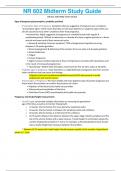
Therapeutic Communication Overview - Listen/Understand client. Goal: understand client msg, facilitate client verbalization of feelings, communicate understanding, identify probs, goals, and objectives Therapeutic Communication Essential Nursing Care - Purpose: devp trust, promote open communication. Understand process is four phased: preinteraction, orientation, working and termination. Outcomes: pt trusts nurses/team, pt communicates efectively provides accurate info smooth transition from one person to next, pt keeps apts, cooperates Therapeutic Communication: Background for nursing Care - General Considerations: avoid false assurances Peds considerations: communicate not only with child but parents Geriatric: touch is positive therpeutic tool Schizophrenia: Nursing Overview - Chronic illness resulting in psychotic behavior indications include autism, inappropriate or no display of feelings, hypochondriasis, depersonalization; hallucinations, delusions, short attn span, regression, inability to meet basic survival needs, nursing care includes maintaining patient safety, administering antipsychotics, decreasing risk for sensory stimuli, removing from areas of tension, validating reality, don't argue, recogize that pt is experiencing hallucinations, responding to feeling or tone of hallucniation or delusion Schizophrenia: Essential Nursing Care Signs/Symptoms - Positive Symp: Delusions and Hallucinations Negative Symp: apathy, lack of motiviation, blunted affect, poverty of speech, anhedonia, asociality Disorganized symptoms: thought d/o, bizarre behavior Schizophrenia: Treatment - Typical antipsychotics such as Thorazine. Atypical antipsychotics (clozaril, zyprexa, risperdal) Action: blocks postsynaptic dopamine receptors Adverse: sedation, hypotension, eps, anticholinergic effects, neuroleptic malignant syndrome Other: Conjunctive psychotherapy, rehab, ect Schizophrenia Nursing Care - Maintain safe environment, establish trust. Don't touch pt w/o telling exactly what doing. Postpone procedures until less suspicious or agitated. use accepting, consistent approach and use clear unambiguous language. Assess ability to carry out ADL's. Only do what pt can't do for self. Monitor nutritional status. reward positive behavior. Promote social skills, meaningful relationships.Give meds. Encourage compliance. Schizophrenia: Background for nursing care - Five Types: paranoid type is characterized by grandiose delusion/hallucination sometimes hostile religiosity or aggressive behavior. Disorganized: grossly inappropriate or flat affect, incoherence, disorganized behavior. Catatonic: psychomotor disturbance w/motionless or excessive motor activity. Undifferentiated type: schizophrenic symptoms of other types Residual Types: social withdrawl and looseness of associations. Dx is usually made in late adolescence or early adulthood Dependent Personality D/O - Pervasive and excesive need to be taken care of, leads to submissive and clinging behavior, fear of separation. Indications include dependent on others for everyday decisions, problems iniitiating projects/working alone, anxious when alone etc Dependent Personality D/O Signs & Symptoms - Submissiveness, self-effacing manner, low self esteem, lacks self confidence, lack of initiative, need for constant assistance, intense unremitting need to be loved, hypersensitivity to criticism Dependent Personality Tx - Drugs: antidepressants, benzo's in crisis Other: short term psychotherapy (1st choice) behavioral approaches (assertivness training) Self-help support groups Dependent Personality Nursing Care - Gie persistent, consistent and flexible care. Give pt as much opportunity as possible to control care. Limit caregivers to small numbers to increase sense of security. Encourage activities that promote decision making. Substance Abuse: Cocaine/Crack Is a Stimulant Narcotic, acts in brain produce euphoria - IV/Intranasal/Smoking: highly addictive, rapid tolerance. Symptoms of abuse: dilated pupils, tachycardia, increased BP, nausea/vomiting, insomnia, euphoria, impaired judgment and social fx, agitation. Withdrawl Symptoms: depression, disorientation, apathy, agitation, long periods of sleep Overdose: resp distress, cardiac arrest, sz, coma, hyperpyrexia, perforation of nasal septum Cocaine/Crack Nursing Care - Keep in calm/quiet environment, monitor respiratory and cardiac status, administer ANTICONVULSANT if ordered, cool ambient air, detoxify as ordered. Monitor and promote nutrition. Set limits when dealing with demanding behavior. Be self aware re: feelings. Refer for rehab as appropriate Expected outcome: pt doesn't injure self, adequate nutrition, contacts rehab Anorexia Nervosa Overview - Eating d/o common in females 8-18. Indications include dramatic weight loss, distorted body image, fear of obesity, anemia, amenorrhea, endocrine dysfuntion, hypothermia, electrolyte imbalance, gastric complications, denial/fear of sexuality, repressiona,d regression, strained family relationships, feelings of powerlessness, over-achievenment, depression; treatment includes individual, group, family therapy, behavior modification, assessment and correction of physiologic abnormalities, nursing responsibilities include monitoring weight intake, vital signs, implementing behavior modification, encouraging responsibility for self, exploring sexual issues, support groups, family intervention, and patient education Anorexia Nervosia Nursing Care Self starvation syndrome in which person becomes preoccupied with food and body image - S/S: physical: weight loss *less than 85% of ideal, emaciation, skeletal muscle atrophy, loss of fatty tissue, breast tissue atrophy, lanugo, dryness or loss of scalp hair, hypotension, bradycardia, loss of libido. Psychosocial: preoccupation w/body size, distorted body image, low self esteem, social isolation, perfectionism, depression. Behavioral: wears oversized clothes, restless activity and vigor, avid exercise w/no apparent fatigue Anorexia Tx - Drug: vitamin/mineral supplements Other: reasonable diet, activity curtailment as needed to prevent arrhythmias. Psychotherapy, behavioral modification with privileges based on weight gain, hospitilization if necessary Anorexia Nursing Care - monitor vitals, nutritional status, fluid I&O. Be aware that nutritional complete liquids are more acceptable during an acute anorexic episode b/c they don't require pt to select foods. Help establish a target weight. Negotiat adequate food intake with patient allowing pt to maintain control o type and amount of food eaten.Weigh Daily on same scale. Anticipate one lb per week. One on one during meals to ensure compliance. Teach to keep food journal. Encourage pt to recognize feelings and assert them freely. Advise family to avoid discussing food w/pt Anorexia Nursing Care expected Outcomes - Normal vital signs, follows recommended nutritional regimen and maintains adequate nutritional intake. Follows diet successfully and devp's strategies to maintain target weight. Verbalizes feelings related to changing body shape and weight. Anorexia Pathophysiology - Two types: restricting (no binging or purging) or binge and purge. Onset can be slow. Significant dieting may be present long before emaciation that results is apparent. Exists on a continuum. Individuals with partial syndrome dz characterized by binge eating and serious dieting, may develop into full syndrom dz with increase in binging, purging and starvation. Variety of body systems are negatively affected in individuals with full syndrome dz. Anorexia Causes/Risk Factors - Biological: age btwn 14-16, female, dieting despite wt loss, excessive exercise Psychological: low self esteem, body dissatisfaction, lack of assertiveness, Comorbid depression, dysthymia, and obsessive compulsive d/o. Also childhood sexual abuse Anorexia Diagnostic Criteria - Refusal to maintain body weight at or above a minimally normal value for age and height. Extreme fear of gaining weight or becoming fat even though underweight. Disturbed body image. Amenorrhea (absence of at least 3 consecutive menstrual cycles in post menarchal females. Elder Abuse - Mistreatment of older adults by family members or caregivers. Indications include battering, fractures, bruises, over/undermedicated, absences of needed dentures glasses, poor nutritional status, dehydration, urine burns, excoriated skin, pressure ulcers, nursing care includes providing for pt safety, providing for PHYSICAL needs first, reporting to appropriate agency, initiating protective placement and/or appropriate referrals. Provide privacy during interview to ensure that the perpertrator isn't w/pt. Document all injuries w/body maps. Determine presence of weapons in home, substance abuse, jealousy, etc. Depression: Diagnostic Criteria - Depressed mood (2 weeks or longer), anhedonia, sleep disturbance, agitation or psychomotor retardation, fatigue, worthlessness or guilt inappropriate to situation, trouble focusing or making decisions, hopelessness and/or thoughts of suicide. Depression Treatment - Drugs: SSRI's (prozac) Inhibit serotonin reuptake. Adverse: dry mouth, insomnia, nausea, rash TCA's (elavil) inhibit reuptake of norepinephrine, serotonin, and dopamine. Adverse: constipation, dry mouth, arrhythmias/other heart probs. MAOI's: (marplan) Increase norepinephrine, serotonin, dopamine levels. Adverse (dizziness, h/a, insominia, dry mouth, urinary hesitancy, weakness, fatigue, forgetfullness, wt gain. Suicidal Behavior - Highest priority is protecting pts from inflicting harm on themselves. Clues for impending suicide include: sudden change in pt behavior, becoming energetic after period of severe depression, improved mood 10-14 days after taking antidepressant. finalizing business or personal affairs, giving away valuable posession or pets, SI. Nurse should monitor for signs of suicidal behavior, remove all potentially dangerous items, one-to-one observation of the patient, evaluate pt resources, convey sincere desire to help and treat pt in dignified manner. Suicidal Behavior Nursing Care - Assess pt for indications of SI. Help build emotional ties to othes. If asked to keep thoughts confidential inform pt that you cannot keep secrets that endanger his life or conflict with tx. Initiate no-suicide contract Alzheimers's Disease Overview - Chronic progressive, degenerative dz resulting in cerebral atrophy, decline in intellectual/cognitive fx, motor, sensory, and affective decline; most common after age 65; indications include changes in personality, motor restlessness, and pacing (in early stage) sometimes it is seen to occur in 3 stages.Nursing responsibilities include reorienting as needed, speaking slowly, providing clocks and calendars in pt rooms, promoting sleep, hygiene, grooming, nutrition, safety, protecting from self injury, and injury to others, encouraging social interaction, increasing self-esteem, and assisting the family understand and cope. Alzheimer's Stage 1 - 1. Memory Loss, agitated or apathetic mood, attempts to cover up symptoms, deterioration in personal appearance, decline in memory, inability to retain new memories, poor concentration, depression, sleep disturbance. , Alzheimer's Stage 2 - 2. impaired language, motor ability, and object recognition. bowel and bladder incontenence, confabulation, decreasing ability to understand or use language, disorientation to person, time, place. failure to recognize family members, inability to perform activities of daily living w/o assistance, socially unacceptable behavior Alzheimer's Stage 3 - 3. loss of ontinence, ambulation, and all language skills. Severe decline in cognitive fx. compulsive touching and examination of objects, decreased response to stimuli, deterioration in motor ability, emaciation Alzheimers Nursing Care - Protect pt from injury, monitor fluid intake to ensure proper nutrition. have follow exercise routine, maintain normal social contcts and continue intellectual activities. Speak calmly and minimize confusion. Affirm pt emotions w/o being judgmental. Add orienting material to every conversation. Place large clock and calendar in room. Provide meaningful sensory inpuyt but avoid excessive stimulation. Monitor meds and effects. Give pt and family info about resources and support groups Alzheimer's Expected nursing outcomes - pt free from injury, pt maintains adequate nutritional intake, follows regular schedule as much as possible, interacts with others as much as possible Alzheimer's Tx - Drug: Anticholinesterase agents (cognex, aricept, exelon) to improve cognitive fx Action: cholinesterase inhibitor, adverse (nausea/diarrhea) Antipsychotics to calm agitation (haldol, risperdal) Benzo's to ease anxiety. can cause sedation, depression, light-headedness, h/a Other: psychotherapy such as reality orientation, memory retraining, preventative measures for at-risk ppl such as prophylactic nutritional agents (vit e) cholinergic or amyloid targeting interventions Heroin Overdose Overview - Symptoms of abuse include marked respiratory depression, hyperpyrexia, sz, ventricular dysrhythmias, euphoria, THEN anxiety, sadness, insomnia, sexual indifference, pinpoint pupils, stupor leading to coma, nasal septum perforation. Nursing considerations include maintain airway, controlling sz, checking LOC and VS, starting IV, may be given bolus of glucose, have lidocaine and defibrillator available, treat for hyperthermia, give NARCAN to reverse respiratory depression, hemodialysis Heroin Overdose S/S - S/S: constricted pupils, resp depression, bilateral crackles and rhonchi, cardiopulmonary findings (pulmonary edema, aspiration pneumonia, hypotension) Delerium, decreased LOC Heroin Overdose Tx - Drug: NARCAN, sedatives to induce sleep, anticholinergics and antidiarrheal agents to relieve GI distress, antianxiety drugs for severe agitation Other: Ventilatory support, support of cardiac fx, iv fluids, psychotherapy Heroin Nursing Care - Give meds as ordered, give extra blankets or hypothermia blanket, reorient to time/place/person. Monitor breath sounds for evidence of pulmonary edema. Frequently monitor VS and cardiopulmonary status until heroin is cleared from pt's system. Refer to rehab as appropriate. Barbiturate Withdrawal: Overview - CNS depressants: phenobarbital, pentobarbital, and secobarbital are examples. Symptoms of abuse are slurred speech, nystagmus, decreased BP, incoordination, drowsiness. Symptoms of overdose include: resp or cardio depression, coma, sz, Symptoms of withdrawal include: anxiety/irritability, tremors, delirium, insomina, sz, tachycardia, N/V, interventions: keep pt awake, induce vomiting, use gastric lavage, give activated charcoal, monitor VS fq, maintain sz precautions, maintain airway, give iv fluids, possible dialysis. Withdrawl symptoms begin 12-24 hours after last dose, peak 24-72 hours later. can result in sz and death Milieu Management - Management of the environment in which psychiatric care is provided; provides a therapeutic social, cultural, and physical environment in which all aspects are utilized as instruments of growth to the clients benefit. enviornment in which client feels safe and is able to work through issues; five primary fx of milieu mgmt are: containment, support, structure, involvement, and validation Milieu Therapy Nursing Care - Purpose: help pt overcome psych d/o, provide stable, trusting environment that facilitates treatment. Indicating Factors: beneficial factors for improved conditions are identifiable for patient-patient or patient-therapist; specific conditions (borderline personality d/o, schizophrenia) Alcoholism Overview - Alcoholism occurs when drinking begins to cause problems in a person's life,drinking increases due to the problems,and a physical and psychological dependence develops; during counseling of an alcoholic, important to identify problems related to drinking, help pt to see/admit problem, establish control of drinking problem thru aa, use Antabuse, assist pt to identify factors that trigger drinking Alcoholism: essential nursing care - S/S: minor complaints, malaise, dyspepsia, mood swings, depression, increased incidence of infection, poor personal hygiene, unusually high tolerance for sedatives and narcotics, nutritional deficiency Alcoholism Treatment - Drug: aversion therapy: antabuse to prevent compulsive drinking ReVia (narcotic antagonist) Psychotherapy: involves behavioral modification, group therapy, family therapy, counseling and groups to overcome etoh dependence Alcoholism Nursing Care - During acute episode: continuously monitor VS, urine output. watch for complications of overdose and withdrawal. Maintain quiet/safe environment and remove harmful objects from the room. Approach pt in non-threatening way. Limit sustained eye contact. Sz precautions, give iv fluids, meds Alcoholism Pathophysiology - Causes CNS depression. Tolerance may develop. Characterized by higher blood levels of alcohol before symptoms of intoxication develop Defense Mechanisms - methods (usually unconscious) of managing anxiety by keeping it from awareness. Treated with drug therapy and psychotherapy. Assess for excessive reliance on particular defense mechanisms. be aware that they are used unconsciously. Denial - failure to acknowledge reality -being broke but spending $ freely -having severe abdominal pain but waiting 3 weeks to seek help Displacement - redirection of feeling away from real target to a safer but innocent person -being mad at boss but yell at spouse -being harassed @ school but yell at bro Dissociation - temporary change in consciousness to deal with emotional conflict -having amnesia to prevent remembering yesterdays car accident -remembering no details of childhood sexual abuse projection - a person attributes to others his unacceptable thoughts and feelings -man who has considered a gay sexual relationship but never had one beats a gay man -prejudicial person loudly and clearly identifies bigots rationalization - making excuses for own shortcomings -student blames failure on mean teacher -man says he beats wife b/c she won't listen Reaction Formation - behaving the opposite of the way a person feels -never wanting to have children but becoming a super parent -not liking boss but saying what a wonderful boss he is Repression - unconsciously blocking out upsetting or unacceptable thoughts and feelings -having no memory of the mugging yesterday -having no memory before age 7 when removed from abusive parents Undoing - trying to undo the harm a person believes he has done -being harmful to a friend then being complimentary and apologetic -cheating on spouse then buying spouse a present Child Abuse - Indications include inconsistency of type/location of injury with the history of incidents, severe CNS or abdominal injuries, obvious disturbance in parent-child interaction, sexual abuse (genital lacerations, STD's) emotional neglect, failure to thrive. Nursing care includes providing for physical needs first, mandatory reporting to supervisor or appropriate agency, nonjudgmental tx of parents, encouraging expression of feelings, teaching growth and development concepts especially safety, discipline, age appropriate activities, and nutrition. Provide emotional support for child, play therapy. Initiate protective placement and or appropriate referrals for long term follow up. Setting Limits - implemented to prevent and/or respond to unclear or inappropriate behaviors and to maximize the therapeutic experience; clearly conveys expectations, consequences of not meeting those expectations; may be verbal, physical, and/or written failure to warn - therapist must warn third parties of potential violence to them by the client. Duty to warn supersedes client confidentiality ethics. Failure to warn can lead to major liability Antisocial Personality D/O Overview - Pervasive pattern of disregard for and violation of the rights of others; former terms were psychopath, sociopath; indications are lying, cheating, stealing, promiscuous behaviors, appears charming and intellectual, smooth talking, unlawful, aggressive, and reckless behaviors, lack of guild, remorse, and conscience, rationalizes and denies own behavior, acts as if entitled, and often has substance abuse and ependency problems. Nursing interventions include firm limit setting, confront behaviors consistently, enforce consequences, conduct and/or support group therapy. Antisocial Personality D/O Tx - Drug: no drug to tx but may be given to treat disorganized thinking, stabilize mood swings or ease the acute symptoms of concurrent psych d/o's. Focused psychotherapy Antisocial Personality Nursing Care - Set limits on acceptable behavior. Encourage and reinforce positive behavior. Anticipate manipulative efforts. Avoid power struggles. Outcomes: patient exhibits nondestructive ways to express feelings, manages anger, takes responsibility for anger. Childhood Problem Interventions: Stealing - Provide teaching to parent: explore reason for stealing, tell child that money is missing, review importance of property rights and explain how stealing makes parents feel. If continues past nine therapy may be needed. Regarding shoplifting: take seriously...confront child about it, take away and return item to store. Deny child access to the store, Obsessive Compulsive d/o overview - Anxiety d/o, indications are repetitive, uncontrollable thoughts, obsessions, and actions (compulsions); nursing interventions include accept ritualistic behavior, structure environment, provide for physical needs, offer alternative activities, especially ones using hands; guide decisions, minimize choices, encourage socialization, administer anafranil (TCA) or SSRI, teach thought stopping and response prevention techniques Obsessive Compulsive D/O Treatment - Drug Therapy: benzo's (xanax),(Klonopin) Side effects: drowsiness, intellectual and memory impairment, ataxia, decreased motor coordination. MAOI's, SSRI's, TCA's Other: relaxation techniques (deep breathing etc) Support groups, partial hospitalization/day program Obsessive Compulsive D/O Nursing Care - approach pt unhurriedly. Ask about thoughts and behaviors. Identify disturbing topics of conversation that reflect anxiety or terror. Give meds as ordered. Monitor the effects. Keep physical health in mind & provide for basic needs as necessary. Let pt know you are aware of the behavior and explore feelings associated with it. Don't be judgmental. Give pt time to carry out the behavior unless dangerous until pt can be distracted by another activity. LImit time pt can engage in behavior, Post-traumatic Stress Overview - anxiety d/o resulting from exposure to traumatic event; indications are intense fear or horror, recurrent or distressing recollections of event; distressing dreams/nightmares; acting or feeling like th etrauma is recurring (flashbacks); hypervigilance and exaggerated startle response; irritability or outbursts of anger, avoidance or numbing PTSD Signs/Symptoms/Treatment - Anger, poor impulse control, chronic anxiety/tension, avoidance of people, places and things associated with the experience, emotional detachment or numbness, difficulty concentrating, difficulty falling asleep, hyperalertness, social withdrawl, decreased self esteem, hopelessness. Drug Tx: Benzo's, Beta Blocker, MAOI's, TCA's PTSD Nursing Care - Administer meds as ordered, monitor for adverse effects. Enourage pt to express grief. Deal constructively with the pt's displays of anger. Promote safety. Provide safe, staff monitored room where pt can safely deal with urges to commit physical violence Bipolar D/O Overview - Mood disorder; manic episodes usually begin suddenly with rapid escalation; indications include elevated or expansive mood, agitation, accelerated speech, thought and movement, distractibility, self-confidence, aggression, sarcasm, inappropriate dress, inattention to personal hygiene, anorexia, weight loss,constipation, insomnia; treatment includes lithium or particular anticonvulsant drugs (tegretol, valproate); nursing responsibilities include maintaining physical health and safety, monitoring lithium levels or anticonvulsant toxicity, orienting pt to reality, limiting stimuli, setting limits, being consistent. Bipolar D/O Signs/Symptoms - MANIC PHASE: expansive, grandiose, or hyperiritable mood. Increased psychomotor activity. Excessive social extroversion. Short attention span. Rapid speech with frequent topic changes. Decreased need for sleep/food. Impulsivity and impaired judgment. DEPRESSIVE PHASE: low self esteem, overwhelming inertia, social withdrawal, hopelessness, difficulty concentrating or thinking clearly, psychomotor retardation, slowing of speech Bipolar D/O Tx - Drug: Lithium to prevent and relieve manic episodes. Adverse: fine hand tremors, dry mouth, increased urination, nausea, wt gain. Antidepressants to treat depressive symptoms. Also psychotherapy Bipolar D/O Nursing Care - During Manic Episode: Maintain calm environment, protect pt from overstimulation. Provide emotional support and set realistic goals & firm limits. Watch for early signs of frustration. Tell pt that threats and hitting are not acceptable. Alert health care team when acting out behavior escalates. Get help, don't do all by self. During Depressive Episode: provide for physical needs. Help with hygiene if necessary. Encourage eating, feed if necessary. Positive reinforcement to improve self esteem. Structured routine. Remove harmful objects from environment. Institute suicide precautions. Conversion D/O Overview - Anxiety d/o, indications include physical symptoms with no organic basis. Could include blindness, paralysis, convulsions without loss of consciousness, stocking and glove anesthesia, characteristic "la belle indifference (lack of concern about symptoms)". Mechanism of symptoms is unconscious. Nursing interventions include assist with diagnostic evaluation; discuss feelings with pt rather than symptoms; promote therapeutic relationship. Recognize and avoid supporting secondary gains of pt Conversion D/O Nursing Care - Conversion d/o is marked by physical changes that have a psychological NOT a physical basis. Treat with benzo's such as ativan and xanax. Psychotherapy, relaxation training, behavior mods, biofeedback. Establish supportive relationship that communicates acceptance of the patient and acceptance of condition but keeps focus away from the symptoms. Do not force pt to talk but convey caring attitude that encourages sharing of feelings. Encourage pt to seek psych care if not already doing so. Help increase coping ability, reduce anxiety, enhance self esteem. Use measures to maintain integrity of affected body system or part. Bulimia Nervosa Overview - Eating d/o characterized by eating behaviors that are frequently followed by self induced vomiting, laxative, or diuretic use. May have history of anorexia nervosa; depression, anxiety and impulsivity are experienced; weight is normal to slightly above or below normal. unlike anorexics they often have dental caries and erosion, gastric dilation, calluses or scars on hands (from vomiting), electrolyte imbalances, cardiovascular abnormalities; nursing interventions include monitor electrolytes (K & Na), monitor cardiac status, use cognitive behavioral therapy and milieu mgmt. Educate about d/o. Teach stress mgmt skills especially those that trigger binging and purging. Bulimia Nervosa Tx - Drug Therapy: TCA's, SSRI's, psychotherapy. Administer meds as necessary. Promote accepting, nonjudgmental atmosphere, establish a contract w/pt that specifies the amount and types of food to be eaten with each meal. Supervise during mealtimes and for period of time after. Set time limit for each meal. Teach to maintain a food journal to monitor treatment progress. Use behavior modification and rewards for weight gains. Encourage pt to verbalize feelings. Identify elimination patterns. Explain risks of laxative abuse. Refer to support group. Conduct D/O Overview - D/O of children or adolescents in which there is a repetitive and persistent pattern of violating basic rights of others or major age appropriate rules of norm. Behaviors manifested may include aggression to people and animals, property destruction, deceitfulness or theft, serious violations of rules, anxiety, adhd, depression, learning disabilities often coexist with conduct d/o. Behaviors may persist into adult hood and result in person receiving dx of antisocial personality d/o. Interventions include limit setting, teaching alternative methods for expression of anger, focus on here and now. Conduct D/O Nursing Care - Work to establish trusting relationship with pt. Be sure to convey that you accept him. Provide clear behavioral guidelines, including consequences for disruptive and manipulative behavior. Talk to the pt about making acceptable choices. Teach pt effective problem solving skills. Identify abusive communication and encourage pt to stop using it. Teach pt to express anger appropriately. Work on helping pt accept responsibility for behavior rather than blaming others. Teach pt effective coping and social skills. Depression Overview - Depression is abnormal feelings of sadness, low self-esteem, helplessness or hopelessness, obsessive thoughts and fears, sense of doom or failure, somatic complaints include GI distress, change in appetite, pain, irritability, sleep disturbances, lack of energy, changes in sex drive, palpitations, dizziness. Treatment includes antidepressants, ECT, individual or group therapy. Nursing interventions include: being alert for signs of self-destructive behavior, assisting the pt in meeting physical needs, supporting self-esteem, and helping decrease social withdrawal. Depression Signs/Symptoms - Feeling down in dumps, increased/decreased appetite, sleep disturbances, disinterest in sex, difficulty concentrating or thinking clearly, easy distractibility, indecisiveness, low self-esteem, poor coping, constipation or diarrhea. Depression Treatment - Drug Therapy: SSRI, TCA, MAOI, ECT, Psychotherapy Depression Nursing Care - Provide for the pt's physical needs, administer meds as ordered. Monitor pt' and record adverse effects. Inform pt that antidepressants may take several weeks to produce the desired effect. Record all observations and conversations with the pt. Plan activities for when pt's energy levels peak. Provide structured routine. Reassure pt that he can help ease depression by expressing feelings, engaging in pleasurable activities and improving grooming and hygiene. Encourage journaling. Help pt reorganize distorted perceptions and link them to the depression. Be alert for suicide attempts Somatization D/O Overview - Anxiety D/O indications include frequent seeking and obtaining of treatment for multipleand varied clinically significant somatic complaints beginning before 30 yrs old. Complaints are not explainable by general medical d/o or substance use; must include a history of certain number of symptoms in specific different categories; Nursing interventions include positive somatic activities such as massage, exercise, encourage expression of feelings, identify stressors, problem solving strategies, explore possible secondary gains and DO NOT reinforce them.
Written for
- Institution
- Mental health
- Course
- Mental health
Document information
- Uploaded on
- June 6, 2023
- Number of pages
- 12
- Written in
- 2022/2023
- Type
- Exam (elaborations)
- Contains
- Questions & answers
Subjects
- mental health
- mental wellness
- nursing
- theraputic communication
- schizophrenia
- nursing care
-
dependent personality care