Accounts of Disability
How to Talk about Disability
Jeff McMahon describes severely cognitively disabled people as:
lacking self-consciousness
‘entirely unresponsive to their environment and to other people‘
incapable of meaningful relationships, and incapable of high forms of knowledge and
aesthetic pleasures. (1996: 5, 7-8)
refers to intellectually disabled people
An Argument
1. Severely intellectual disabled individuals lack (i) self-consciousness, (ii) the ability to form
deep relationships with others and (iii) the capacity to attain high forms of aesthetic
pleasure.
2. Dogs and chimps also lack (i)-(iii)
3. If we, as a society, do not ensure that dogs and chimps attain a particular quality of life
because they lack (i)-(iii), we do not fail by justice’s lights.
Therefore,
4. We do not fail by justice’s lights when we, as a society, do not ensure that severely
intellectually handicapped individuals attain a particular quality of life because they lack
(i)-(iii)
Objection
Eva Feder Kittay described seeing cognitively disabled people, including her own
daughter, as capable of the above (2010: esp. 403)
cognitively disabled people are self-conscious, are responsive to their enivronment and
other people, capable of meaningful relationships
Consider whether Kitty’s description makes P1 above plausible and explain your
considered re-judgement
Modification of McMahon’s Argument
Perhaps the argument may be modified to more extreme cases of disability
1. Really severely intellectual disabled individuals…
2. Do not ensure that really severely intellectually handicapped individuals who lack (I)-
(iii)
Evaluation of Argument (original and modified)
,‘Really’ is quite ambiguous - seems relative to other people
Issue of recognising someone as ‘self-consciousness’ (i)
how can you tell that someone lacks this
Issue of first person-perspective - how can you actually assess if someone has a deep
relationship with someone or not may just look different to a typical deep relationship,
many severely intellectually disabled people have extreme emotional capacities rather
than lacking any
need to get testimony or first-hand experience
arguments such as McMahon’s, which don’t necessarily assess disability in real life
context can often fail
Evaluation - Issue of moral obligations
question of sentience - interesting that he has introduced animals into the equation
McMahon places emphasis on personhood, but his argument implies that severely
cognitively impaired humans are not people
could argue that there is potential for these people to have been born with greater
social capacities and that they lack such capacities, whereas animals naturally do not
have the same capacities so according to McMahon’s argument, dogs and chimps
were never going to be entitled to the same rights of justice as persons.
seems unfair to compare such individuals to animals
question of what it means to be human
even if they do not have the same capacities as all humans, socially or functionally
speaking, they are a different species to chimps and dogs
question of ‘human rights’ not ‘personal rights’
Disability is Not an Abstract Issue
Lived experiences of disabilities is vital in deciding how to talk about disabilities and
working out what ‘disability’ is
Historical context
disability and eugenics links to statistical analysis
links to sterilisation, exploitation and racism
Listen to ‘Not Your Venus’ podcast
Naturalistic Accounts
Species-Norm Account
Disability is a natural kind To be disabled is to have a body that is statistically atypical
for the species in question (Boorse)
, Example: Blindness is statistically atypical for humans, so a human being who is blind is
disabled
Christopher Booth - health being tied to statistical normality
However, on this view, being left-handed entails being disabled, which seems
controversial.
although it is true that the world seems generally structured to accommodate right-
handedness and left-handed have a lower life-expectancy
LINK to desideratum: An adequate account of disability should count paradigmatic
examples of disabilities as disabilities and not count paradigmatic example of non-
disabilities as disabilities.
Negative Departure from Species-Norm
To be disabled is to have a body that is statistically atypical for the species and having that
body hinders survival and/or reproduction
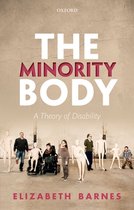
Counter-Example: Michael Phelps has ‘hypermobile joints, an arm span 3 inches longer
than his height, unusually large feet, and muscles that produce a surprisingly small amount
of lactic acid compared to normal ranges‘ (Barnes 2016: 14)
statistically atypical and may have a shorter life-expectancy, but one does not tend to think
of him as disabled
this sort of naturalistic account will deliver incorrect verdicts about some paradigm cases
of non-disability
Counter-Example: Being at a higher risk of diseases?
genetic-diseases such as Type-1 diabetes
Counter Example: Being sterile? LINK to being gay as statistically atypical and non-
conducive to biological reproduction
does choice to not have children, but then having
Inability Account
To be disabled is to lack a significant ability that most people have
e.g. the majority of people are sighted - inability to see = disability
Another desideratum: An adequate account of disability should not be circular.
How to Talk about Disability
Jeff McMahon describes severely cognitively disabled people as:
lacking self-consciousness
‘entirely unresponsive to their environment and to other people‘
incapable of meaningful relationships, and incapable of high forms of knowledge and
aesthetic pleasures. (1996: 5, 7-8)
refers to intellectually disabled people
An Argument
1. Severely intellectual disabled individuals lack (i) self-consciousness, (ii) the ability to form
deep relationships with others and (iii) the capacity to attain high forms of aesthetic
pleasure.
2. Dogs and chimps also lack (i)-(iii)
3. If we, as a society, do not ensure that dogs and chimps attain a particular quality of life
because they lack (i)-(iii), we do not fail by justice’s lights.
Therefore,
4. We do not fail by justice’s lights when we, as a society, do not ensure that severely
intellectually handicapped individuals attain a particular quality of life because they lack
(i)-(iii)
Objection
Eva Feder Kittay described seeing cognitively disabled people, including her own
daughter, as capable of the above (2010: esp. 403)
cognitively disabled people are self-conscious, are responsive to their enivronment and
other people, capable of meaningful relationships
Consider whether Kitty’s description makes P1 above plausible and explain your
considered re-judgement
Modification of McMahon’s Argument
Perhaps the argument may be modified to more extreme cases of disability
1. Really severely intellectual disabled individuals…
2. Do not ensure that really severely intellectually handicapped individuals who lack (I)-
(iii)
Evaluation of Argument (original and modified)
,‘Really’ is quite ambiguous - seems relative to other people
Issue of recognising someone as ‘self-consciousness’ (i)
how can you tell that someone lacks this
Issue of first person-perspective - how can you actually assess if someone has a deep
relationship with someone or not may just look different to a typical deep relationship,
many severely intellectually disabled people have extreme emotional capacities rather
than lacking any
need to get testimony or first-hand experience
arguments such as McMahon’s, which don’t necessarily assess disability in real life
context can often fail
Evaluation - Issue of moral obligations
question of sentience - interesting that he has introduced animals into the equation
McMahon places emphasis on personhood, but his argument implies that severely
cognitively impaired humans are not people
could argue that there is potential for these people to have been born with greater
social capacities and that they lack such capacities, whereas animals naturally do not
have the same capacities so according to McMahon’s argument, dogs and chimps
were never going to be entitled to the same rights of justice as persons.
seems unfair to compare such individuals to animals
question of what it means to be human
even if they do not have the same capacities as all humans, socially or functionally
speaking, they are a different species to chimps and dogs
question of ‘human rights’ not ‘personal rights’
Disability is Not an Abstract Issue
Lived experiences of disabilities is vital in deciding how to talk about disabilities and
working out what ‘disability’ is
Historical context
disability and eugenics links to statistical analysis
links to sterilisation, exploitation and racism
Listen to ‘Not Your Venus’ podcast
Naturalistic Accounts
Species-Norm Account
Disability is a natural kind To be disabled is to have a body that is statistically atypical
for the species in question (Boorse)
, Example: Blindness is statistically atypical for humans, so a human being who is blind is
disabled
Christopher Booth - health being tied to statistical normality
However, on this view, being left-handed entails being disabled, which seems
controversial.
although it is true that the world seems generally structured to accommodate right-
handedness and left-handed have a lower life-expectancy
LINK to desideratum: An adequate account of disability should count paradigmatic
examples of disabilities as disabilities and not count paradigmatic example of non-
disabilities as disabilities.
Negative Departure from Species-Norm
To be disabled is to have a body that is statistically atypical for the species and having that
body hinders survival and/or reproduction
Counter-Example: Michael Phelps has ‘hypermobile joints, an arm span 3 inches longer
than his height, unusually large feet, and muscles that produce a surprisingly small amount
of lactic acid compared to normal ranges‘ (Barnes 2016: 14)
statistically atypical and may have a shorter life-expectancy, but one does not tend to think
of him as disabled
this sort of naturalistic account will deliver incorrect verdicts about some paradigm cases
of non-disability
Counter-Example: Being at a higher risk of diseases?
genetic-diseases such as Type-1 diabetes
Counter Example: Being sterile? LINK to being gay as statistically atypical and non-
conducive to biological reproduction
does choice to not have children, but then having
Inability Account
To be disabled is to lack a significant ability that most people have
e.g. the majority of people are sighted - inability to see = disability
Another desideratum: An adequate account of disability should not be circular.