Case 13 A fictitious scientific debate
Learning goals
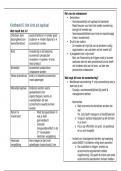
What is Darwin’s theory?
Darwin’s definition of evolution: the idea that species change over time, give rise to
new species, and share a common ancestor.
Survival of the fittest: Organisms change over time as a result of changes in heritable
physical or behavioural traits. Changes that allow an organism to better adapt to its
environment will help it survive and have more offspring.
All life on Earth is connected and related to each other
Traits are heritable
More offspring are produced than can survive, so competition is needed
Modifications of populations happen by natural selection, where some traits were
favoured in and environment over others.
o Natural selection: The process whereby organisms better adapted to their
environment tend to survive and produce more offspring. Acts to preserve
and accumulate minor advantageous genetic mutations. Depends on the
environment
Directional selection: Selection which favours one phenotype over
another. Mostly due changes in weather, climate or food
Disruptive selection: Selects against the average individual in a
population.
Stabilizing selection: Selects against extreme phenotypes and
favours well adapted majority of population.
Sexual selection: Females tend to choose males based on more
attractive traits, will determine fitness.
Artificial selection: Mimics natural selection in that certain traits
are chosen to be passed down to the next generation
o Scientific evidence
Bear to whale
Cow to hippo
What is Lamarck’s theory?
Lamarck’s view of evolution: Evolutionary change takes place gradually and
constantly. Species start out simple and consistently move toward complexity
o Use and disuse: The more frequent and sustained use of any organ will
strengthen this organ little by little, develop it, enlarge it, and give to it a
power proportionate to the duration of its use; while the constant disuse of
such an organ will insensibly weaken it, deteriorate it, progressively diminish
its faculties, and finally cause it to disappear
o Soft inheritance: the modification can pass from the parents to offspring
Lamarckian heritance: Traits changed or acquired over time could be passed
down to its offspring
Scientific evidence
The neck of a giraffe
The wings of a penguin
Learning goals
What is Darwin’s theory?
Darwin’s definition of evolution: the idea that species change over time, give rise to
new species, and share a common ancestor.
Survival of the fittest: Organisms change over time as a result of changes in heritable
physical or behavioural traits. Changes that allow an organism to better adapt to its
environment will help it survive and have more offspring.
All life on Earth is connected and related to each other
Traits are heritable
More offspring are produced than can survive, so competition is needed
Modifications of populations happen by natural selection, where some traits were
favoured in and environment over others.
o Natural selection: The process whereby organisms better adapted to their
environment tend to survive and produce more offspring. Acts to preserve
and accumulate minor advantageous genetic mutations. Depends on the
environment
Directional selection: Selection which favours one phenotype over
another. Mostly due changes in weather, climate or food
Disruptive selection: Selects against the average individual in a
population.
Stabilizing selection: Selects against extreme phenotypes and
favours well adapted majority of population.
Sexual selection: Females tend to choose males based on more
attractive traits, will determine fitness.
Artificial selection: Mimics natural selection in that certain traits
are chosen to be passed down to the next generation
o Scientific evidence
Bear to whale
Cow to hippo
What is Lamarck’s theory?
Lamarck’s view of evolution: Evolutionary change takes place gradually and
constantly. Species start out simple and consistently move toward complexity
o Use and disuse: The more frequent and sustained use of any organ will
strengthen this organ little by little, develop it, enlarge it, and give to it a
power proportionate to the duration of its use; while the constant disuse of
such an organ will insensibly weaken it, deteriorate it, progressively diminish
its faculties, and finally cause it to disappear
o Soft inheritance: the modification can pass from the parents to offspring
Lamarckian heritance: Traits changed or acquired over time could be passed
down to its offspring
Scientific evidence
The neck of a giraffe
The wings of a penguin