Resulting Trusts
Wednesday, 30 March 2022 11:32
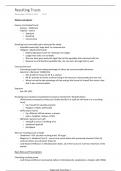
What's it all about?
Express and implied trusts
- Express - deliberate
- Implied - read in
○ Statutory
○ Resulting
○ Constructive
Resulting trust (normally tied to who paid for what)
- Equitable ownership 'leaps back' to someone else
- Hodgson v Marks [1971] (CA)
○ Elderly lady gives house for nothing to her lodger
○ Lodger then sells it on to Marks
○ She may have given away the legal title but the equitable title remained with her
○ Because she still had the equitable title, she can claim the legal title as well
Constructive trust
- Preventing people from taking advantage of others by unconscionable behaviour
- Bannister v Bannister [1948] (CA)
○ Mrs B sold her house to Mr B, a relative
○ Mr B's promise to let her continue living in the house at a discounted price was oral
○ When he tried to take advantage of that and get the house for himself the courts ruled
that it was unconscionable
Statutory
- See LPA 1925
Resulting trust situations (classifications based on Vandervell / Westdeutsche)
- (A)Voluntary conveyance (unless you clearly classify it as a gift we will treat it as a resulting
trust)
○ E.g. free gift of valuable property
○ Hodgson v Marks [1971] (CA)
- (A)Purchase money
○ E.g. different official owners vs buyers
○ Lake v Craddock / Gibson (1732)
- (B)Failed / partial trust / gift
○ Void gift or trust / a drafting error
○ Vandervell (partial)
○ Re Diplock
Why are resulting trusts a thing?
- Vandervell - HOL say that resulting trusts 'fill a gap'
- Megarry J in Vandervell (no 2) - some trusts come about with presumed intention (Class A)
whereas others are automatic (Class B)
- Lord Browne-Wilkinson in Westdeutsche obiter, all of the trusts are 'Common intention of the
parties'
Basic Rules and Presumptions
Classifying resulting trusts
- Lord Browne-Wilkinson (somewhat obiter) in Westdeutsche Landesbank v Islington LBC [1996]
UKHL 12
Equity and Trusts Page 1
Wednesday, 30 March 2022 11:32
What's it all about?
Express and implied trusts
- Express - deliberate
- Implied - read in
○ Statutory
○ Resulting
○ Constructive
Resulting trust (normally tied to who paid for what)
- Equitable ownership 'leaps back' to someone else
- Hodgson v Marks [1971] (CA)
○ Elderly lady gives house for nothing to her lodger
○ Lodger then sells it on to Marks
○ She may have given away the legal title but the equitable title remained with her
○ Because she still had the equitable title, she can claim the legal title as well
Constructive trust
- Preventing people from taking advantage of others by unconscionable behaviour
- Bannister v Bannister [1948] (CA)
○ Mrs B sold her house to Mr B, a relative
○ Mr B's promise to let her continue living in the house at a discounted price was oral
○ When he tried to take advantage of that and get the house for himself the courts ruled
that it was unconscionable
Statutory
- See LPA 1925
Resulting trust situations (classifications based on Vandervell / Westdeutsche)
- (A)Voluntary conveyance (unless you clearly classify it as a gift we will treat it as a resulting
trust)
○ E.g. free gift of valuable property
○ Hodgson v Marks [1971] (CA)
- (A)Purchase money
○ E.g. different official owners vs buyers
○ Lake v Craddock / Gibson (1732)
- (B)Failed / partial trust / gift
○ Void gift or trust / a drafting error
○ Vandervell (partial)
○ Re Diplock
Why are resulting trusts a thing?
- Vandervell - HOL say that resulting trusts 'fill a gap'
- Megarry J in Vandervell (no 2) - some trusts come about with presumed intention (Class A)
whereas others are automatic (Class B)
- Lord Browne-Wilkinson in Westdeutsche obiter, all of the trusts are 'Common intention of the
parties'
Basic Rules and Presumptions
Classifying resulting trusts
- Lord Browne-Wilkinson (somewhat obiter) in Westdeutsche Landesbank v Islington LBC [1996]
UKHL 12
Equity and Trusts Page 1