ΟΔΥΣΣΕΙΑ
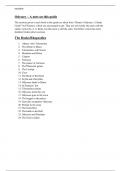
Odyssey – A note on this guide
The sections given to each book in this guide are taken from “Homer’s Odyssey: A Study
Guide” by P Kenney, which you encouraged to get. They are not exactly the same with the
online version by A. S. Kline, but the poem is still the same. The Kline version has more
detailed, broken-down sections.
The Books/Rhapsodies
1. Athene visits Telemachus
2. The debate in Ithaca
3. Telemachus with Nestor
4. Menelaus and Helen
5. Calypso
6. Nausicaa
7. The palace of Alcinous
8. The Phaeacian games
9. The Cyclops
10. Circe
11. The Book of the Dead
12. Scylla and Charybdis
13. Odysseus lands in Ithaca
14. In Eumaeus’ hut
15. Telemachus returns
16. Odysseus meets his son
17. Odysseus goes to the town
18. The beggar in the palace
19. Eurycleia recognises Odysseus
20. Prelude to the crisis
21. The Great Bow
22. The battle in the Hall
23. Odysseus and Penelope
24. The feud is ended
,ΟΔΥΣΣΕΙΑ
Book 1 – Athene visits Telemachus
Sections:
The proem (lines 1-11)
Homer elaborates on the proem (lines 12-21)
The Gods debate the fate of Odysseus (lines 22-96)
Telemachus and Athena (lines 113-320)
Telemachus, Penelope and the Suitors (lines 321-444)
Themes:
The start of Telemachus’ character arc
- His coming of age and inheriting his father’s kingdom and position
in the household
Intervention/action of the gods
Disguise/cunning
Thinking:
Structure of the book: descent from the gods, to a divine-human level
(Athene and Telemachus), to a human level (Telemachus)
The beginning of the Telemachy
The behaviour of the Suitors
Odysseus’ absence and his ‘presence’ in Ithaca (through remembrance,
feelings, thoughts, sayings)
Noteworthy: “Argives” and “Achaeans” are other names for the Greeks.
Book 2 – The debate in Ithaca
, ΟΔΥΣΣΕΙΑ
Sections:
Homer sets the scene (lines 1-15)
The debate at Ithaca (lines 16-260)
Telemachus and Athena (lines 261-301)
Telemachus returns to the palace (lines 302-377)
Telemachus sets sail (lines 378-434)
Themes:
Foreshadowing/prophecy (146-176)
Cunning (93-110)
Oath or promise: Eurycleia to Telemachus about his departure
Thinking:
Polyphony – many characters involved in dialogue
The development of Telemachus’ character
Book 3 – Telemachus with Nestor
Odyssey – A note on this guide
The sections given to each book in this guide are taken from “Homer’s Odyssey: A Study
Guide” by P Kenney, which you encouraged to get. They are not exactly the same with the
online version by A. S. Kline, but the poem is still the same. The Kline version has more
detailed, broken-down sections.
The Books/Rhapsodies
1. Athene visits Telemachus
2. The debate in Ithaca
3. Telemachus with Nestor
4. Menelaus and Helen
5. Calypso
6. Nausicaa
7. The palace of Alcinous
8. The Phaeacian games
9. The Cyclops
10. Circe
11. The Book of the Dead
12. Scylla and Charybdis
13. Odysseus lands in Ithaca
14. In Eumaeus’ hut
15. Telemachus returns
16. Odysseus meets his son
17. Odysseus goes to the town
18. The beggar in the palace
19. Eurycleia recognises Odysseus
20. Prelude to the crisis
21. The Great Bow
22. The battle in the Hall
23. Odysseus and Penelope
24. The feud is ended
,ΟΔΥΣΣΕΙΑ
Book 1 – Athene visits Telemachus
Sections:
The proem (lines 1-11)
Homer elaborates on the proem (lines 12-21)
The Gods debate the fate of Odysseus (lines 22-96)
Telemachus and Athena (lines 113-320)
Telemachus, Penelope and the Suitors (lines 321-444)
Themes:
The start of Telemachus’ character arc
- His coming of age and inheriting his father’s kingdom and position
in the household
Intervention/action of the gods
Disguise/cunning
Thinking:
Structure of the book: descent from the gods, to a divine-human level
(Athene and Telemachus), to a human level (Telemachus)
The beginning of the Telemachy
The behaviour of the Suitors
Odysseus’ absence and his ‘presence’ in Ithaca (through remembrance,
feelings, thoughts, sayings)
Noteworthy: “Argives” and “Achaeans” are other names for the Greeks.
Book 2 – The debate in Ithaca
, ΟΔΥΣΣΕΙΑ
Sections:
Homer sets the scene (lines 1-15)
The debate at Ithaca (lines 16-260)
Telemachus and Athena (lines 261-301)
Telemachus returns to the palace (lines 302-377)
Telemachus sets sail (lines 378-434)
Themes:
Foreshadowing/prophecy (146-176)
Cunning (93-110)
Oath or promise: Eurycleia to Telemachus about his departure
Thinking:
Polyphony – many characters involved in dialogue
The development of Telemachus’ character
Book 3 – Telemachus with Nestor