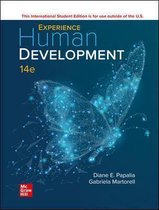
Experience Human Development, 14th
Edition
ISBN10: 1260726606 | ISBN13: 9781260726602
By Diane Papalia and Gabriela Martorell
Extensive summary H1-H19, including 87 exam questions with answers
,Experience Human Development, 14th Edition......................................................................1
H1 The Study of Human Development...................................................................................4
H2 Theory and Research....................................................................................................... 6
What are important theoretical issues with regard to research?.........................................6
Problem 1: Is development active or passive?..........................................................7
Problem 2: Is the development continuous or in successive phases?.......................7
What views underlie theories of human development?......................................................7
Perspective 1: Psycholanalysis.....................................................................................8
Erik Erikson.......................................................................................................... 8
Behaviorism......................................................................................................... 9
Perspective 3: Cognitive..............................................................................................10
Perspective 4: Contextual............................................................................................10
Perspective 5: Ecolutonary/Sociobiological.................................................................11
Which research methods are used?.................................................................................11
Quantitative and qualitative research..........................................................................11
Forms of data collection..............................................................................................11
Research designs........................................................................................................12
Research designs in developmental psychology.........................................................12
H3 Forming a New Life.........................................................................................................13
H4: Birth and Physical Development during the First Three Years.......................................16
How is the birth?.............................................................................................................. 16
H5: Cognitive Development during the First Three Years.....................................................20
What are the six approaches to infant cognitive development?........................................20
H6: Psychosocial Development during the First Three Years...............................................25
What are important concepts associated with psychosocial development?.....................25
H7: Physical and Cognitive Development in Early Childhood...............................................29
How does physical development progress during early childhood?.................................29
H8: Psychosocial Development in Early Childhood..............................................................33
What is the self-concept and how do children develop it?................................................33
H9: Physical and Cognitive Development in Middle Childhood.............................................38
How is physical development progressing?.....................................................................38
H10: Psychosocial Development in Middle Childhood..........................................................43
Industry vs. inferiority..............................................................................................43
Emotional growth and prosocial behavior...............................................................43
What is the influence of the family on the development of middle-aged children?............43
The role of the family...................................................................................................43
Family structures......................................................................................................... 44
How does contact with peers influence the child's development?....................................45
Positive and negative effects of peer relationships......................................................45
Popularity.................................................................................................................... 45
Friendship................................................................................................................... 45
In Pest......................................................................................................................... 46
What mental disorders can children develop?..................................................................46
Most common mental disorders..................................................................................46
Treatment methods of mental disorders......................................................................47
Stress.......................................................................................................................... 47
H11: Physical and Cognitive Development in Adolescence..................................................47
,H12: Psychosocial Development in Adolescence.................................................................52
H13: Physical and Cognitive Development in Emerging and Young Adulthood....................56
H14: Psychosocial Development in Emerging and Young Adulthood...................................60
H15: Physical and Cognitive Development in Midadulthood.................................................63
How does physical development progress during middle age?........................................64
Sensory and psychomotor functioning.........................................................................64
Brain development......................................................................................................64
Sexual functioning.......................................................................................................64
What are characteristics of physical and mental health in middle age?...........................65
Differences between the two sexes with regard to health............................................65
Deal with stress........................................................................................................... 65
Intelligence.................................................................................................................. 66
What is the role of creativity in middle age?.....................................................................66
What is the role of work and education in middle age?....................................................66
H16: Psychosocial Development in Midadulthood................................................................66
H17: Physical and Cognitive Development in Late Adulthood..............................................70
The aging of the population....................................................................................70
How is physical development progressing?.....................................................................71
Why do people age?...................................................................................................71
What is the average life expectancy?...............................................................................71
What physical changes occur with age?..........................................................................72
Brain development......................................................................................................72
Sensory and psychomotor functioning.........................................................................72
What does physical and mental health look like in old age?............................................72
Chronic diseases.........................................................................................................72
Mental and behavioral problems.................................................................................73
How does cognitive development proceed?.....................................................................73
How does memory change?........................................................................................73
H18:Psychosocial development in late adulthood.................................................................74
How does personality develop later in life?......................................................................74
What does well-being look like later in life?......................................................................74
Coping and mental health............................................................................................74
Dealing with aging..................................................................................................75
What practical and social issues are related to ageing?...................................................75
How do relationships develop late in life?........................................................................76
H19: Dealing with Death and Mourning................................................................................76
Exam Questions for Exercise...............................................................................................79
Answers:.............................................................................................................................. 94
, H1 The Study of Human Development
What does the field of developmental psychology look like?
Developmental psychology is concerned with studying the systematic changes and stability
that take place during human development. The results of this research can often be applied
to various fields of work, such as education, upbringing, health and social policy. For
example, research shows that children who go to school hungry have poorer school
performance and more emotional and behavioral problems than their satiated peers. This
effect is particularly noticeable in disadvantaged backgrounds and can be improved by
introducing a breakfast programme.
Developmental psychologists used to mainly study the baby years, because this is where the
greatest changes take place. Today, however, a life course development from "womb to
grave" is being studied and it is recognized that development can be both positive and
negative. This has added more topics to research, such as the timing of parenting and the
effect of mothers' work during pregnancy.
In addition to these changes in the field of life course research, the aims of this research are
also changing. The goals include describing developmental processes, explaining how these
processes take place, predicting developmental outcomes and intervening in developmental
problems. Several fields are involved in development research, such as psychiatry,
sociology, anthropology and genetics. All in all, understanding developmental psychology
helps people to better understand how people deal with life and how development plays a
role in this.
What are important basic concepts of developmental
psychology?
Developmental psychology focuses on studying the developmental processes of human
beings and consists of three major domains: physical development, cognitive development
and psychosocial development. These domains are strongly connected and influence each
other's development. For example, a child with an ear infection may have a language delay,
which affects their cognitive development. Within Western society, eight different
development periods are distinguished, with table 1 describing the important developments
per period.
The course of life can be divided into different periods which are a social construction and
can differ from culture to culture. For example, within Western society, adolescence is seen
as an important period, while this may be different in other cultures.
The work of developmental psychologists has a major impact on people's lives, because the
results of research are often applicable to various fields of work, including education,
parenting, health and social policy. For example, research has shown that children who go to
school hungry have lower grades and more emotional and behavioral problems than children
who go to school without hunger. Introducing a breakfast program appears to help improve
school results.
Developmental scientists used to mainly study the baby years, but today life-span
development is seen as something that goes from "womb to tomb". Also, researchers
Edition
ISBN10: 1260726606 | ISBN13: 9781260726602
By Diane Papalia and Gabriela Martorell
Extensive summary H1-H19, including 87 exam questions with answers
,Experience Human Development, 14th Edition......................................................................1
H1 The Study of Human Development...................................................................................4
H2 Theory and Research....................................................................................................... 6
What are important theoretical issues with regard to research?.........................................6
Problem 1: Is development active or passive?..........................................................7
Problem 2: Is the development continuous or in successive phases?.......................7
What views underlie theories of human development?......................................................7
Perspective 1: Psycholanalysis.....................................................................................8
Erik Erikson.......................................................................................................... 8
Behaviorism......................................................................................................... 9
Perspective 3: Cognitive..............................................................................................10
Perspective 4: Contextual............................................................................................10
Perspective 5: Ecolutonary/Sociobiological.................................................................11
Which research methods are used?.................................................................................11
Quantitative and qualitative research..........................................................................11
Forms of data collection..............................................................................................11
Research designs........................................................................................................12
Research designs in developmental psychology.........................................................12
H3 Forming a New Life.........................................................................................................13
H4: Birth and Physical Development during the First Three Years.......................................16
How is the birth?.............................................................................................................. 16
H5: Cognitive Development during the First Three Years.....................................................20
What are the six approaches to infant cognitive development?........................................20
H6: Psychosocial Development during the First Three Years...............................................25
What are important concepts associated with psychosocial development?.....................25
H7: Physical and Cognitive Development in Early Childhood...............................................29
How does physical development progress during early childhood?.................................29
H8: Psychosocial Development in Early Childhood..............................................................33
What is the self-concept and how do children develop it?................................................33
H9: Physical and Cognitive Development in Middle Childhood.............................................38
How is physical development progressing?.....................................................................38
H10: Psychosocial Development in Middle Childhood..........................................................43
Industry vs. inferiority..............................................................................................43
Emotional growth and prosocial behavior...............................................................43
What is the influence of the family on the development of middle-aged children?............43
The role of the family...................................................................................................43
Family structures......................................................................................................... 44
How does contact with peers influence the child's development?....................................45
Positive and negative effects of peer relationships......................................................45
Popularity.................................................................................................................... 45
Friendship................................................................................................................... 45
In Pest......................................................................................................................... 46
What mental disorders can children develop?..................................................................46
Most common mental disorders..................................................................................46
Treatment methods of mental disorders......................................................................47
Stress.......................................................................................................................... 47
H11: Physical and Cognitive Development in Adolescence..................................................47
,H12: Psychosocial Development in Adolescence.................................................................52
H13: Physical and Cognitive Development in Emerging and Young Adulthood....................56
H14: Psychosocial Development in Emerging and Young Adulthood...................................60
H15: Physical and Cognitive Development in Midadulthood.................................................63
How does physical development progress during middle age?........................................64
Sensory and psychomotor functioning.........................................................................64
Brain development......................................................................................................64
Sexual functioning.......................................................................................................64
What are characteristics of physical and mental health in middle age?...........................65
Differences between the two sexes with regard to health............................................65
Deal with stress........................................................................................................... 65
Intelligence.................................................................................................................. 66
What is the role of creativity in middle age?.....................................................................66
What is the role of work and education in middle age?....................................................66
H16: Psychosocial Development in Midadulthood................................................................66
H17: Physical and Cognitive Development in Late Adulthood..............................................70
The aging of the population....................................................................................70
How is physical development progressing?.....................................................................71
Why do people age?...................................................................................................71
What is the average life expectancy?...............................................................................71
What physical changes occur with age?..........................................................................72
Brain development......................................................................................................72
Sensory and psychomotor functioning.........................................................................72
What does physical and mental health look like in old age?............................................72
Chronic diseases.........................................................................................................72
Mental and behavioral problems.................................................................................73
How does cognitive development proceed?.....................................................................73
How does memory change?........................................................................................73
H18:Psychosocial development in late adulthood.................................................................74
How does personality develop later in life?......................................................................74
What does well-being look like later in life?......................................................................74
Coping and mental health............................................................................................74
Dealing with aging..................................................................................................75
What practical and social issues are related to ageing?...................................................75
How do relationships develop late in life?........................................................................76
H19: Dealing with Death and Mourning................................................................................76
Exam Questions for Exercise...............................................................................................79
Answers:.............................................................................................................................. 94
, H1 The Study of Human Development
What does the field of developmental psychology look like?
Developmental psychology is concerned with studying the systematic changes and stability
that take place during human development. The results of this research can often be applied
to various fields of work, such as education, upbringing, health and social policy. For
example, research shows that children who go to school hungry have poorer school
performance and more emotional and behavioral problems than their satiated peers. This
effect is particularly noticeable in disadvantaged backgrounds and can be improved by
introducing a breakfast programme.
Developmental psychologists used to mainly study the baby years, because this is where the
greatest changes take place. Today, however, a life course development from "womb to
grave" is being studied and it is recognized that development can be both positive and
negative. This has added more topics to research, such as the timing of parenting and the
effect of mothers' work during pregnancy.
In addition to these changes in the field of life course research, the aims of this research are
also changing. The goals include describing developmental processes, explaining how these
processes take place, predicting developmental outcomes and intervening in developmental
problems. Several fields are involved in development research, such as psychiatry,
sociology, anthropology and genetics. All in all, understanding developmental psychology
helps people to better understand how people deal with life and how development plays a
role in this.
What are important basic concepts of developmental
psychology?
Developmental psychology focuses on studying the developmental processes of human
beings and consists of three major domains: physical development, cognitive development
and psychosocial development. These domains are strongly connected and influence each
other's development. For example, a child with an ear infection may have a language delay,
which affects their cognitive development. Within Western society, eight different
development periods are distinguished, with table 1 describing the important developments
per period.
The course of life can be divided into different periods which are a social construction and
can differ from culture to culture. For example, within Western society, adolescence is seen
as an important period, while this may be different in other cultures.
The work of developmental psychologists has a major impact on people's lives, because the
results of research are often applicable to various fields of work, including education,
parenting, health and social policy. For example, research has shown that children who go to
school hungry have lower grades and more emotional and behavioral problems than children
who go to school without hunger. Introducing a breakfast program appears to help improve
school results.
Developmental scientists used to mainly study the baby years, but today life-span
development is seen as something that goes from "womb to tomb". Also, researchers