Bottom-up processes:
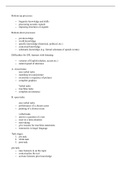
– linguistic knowledge and skills
– processing acoustic signals
– imposing structures on signals
Bottom-down processes:
– pre-knowledge
– world knowledge
– specific knowledge (historical, political, etc.)
– contextual knowledge
– schematic knowledge (e.g. formal schemata of speech events)
Difficulties for EFL learners with listening:
– varieties of English (dialect, accent etc.)
– natural speed of utterance
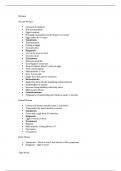
A. closed tasks:
non-verbal tasks
– matching text and picture
– reconstruct a sequence of pictures
– complete graphics
Verbal tasks
– true/false tasks
– complete an utterance
B. open tasks:
non-verbal tasks
– performance of a chosen scene
– painting of a chosen scene
verbal tasks
– answer a question of a text
– react in a mini-situation
– note-taking
– give reasons for true/false statements
– summarize in target language
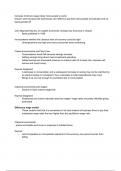
Task stages:
1. pre-task
2. while-task
3. post-task
pre-task:
– tune listeners in on the topic
– contextualize the text
– activate listeners prior knowledge
– linguistic knowledge and skills
– processing acoustic signals
– imposing structures on signals
Bottom-down processes:
– pre-knowledge
– world knowledge
– specific knowledge (historical, political, etc.)
– contextual knowledge
– schematic knowledge (e.g. formal schemata of speech events)
Difficulties for EFL learners with listening:
– varieties of English (dialect, accent etc.)
– natural speed of utterance
A. closed tasks:
non-verbal tasks
– matching text and picture
– reconstruct a sequence of pictures
– complete graphics
Verbal tasks
– true/false tasks
– complete an utterance
B. open tasks:
non-verbal tasks
– performance of a chosen scene
– painting of a chosen scene
verbal tasks
– answer a question of a text
– react in a mini-situation
– note-taking
– give reasons for true/false statements
– summarize in target language
Task stages:
1. pre-task
2. while-task
3. post-task
pre-task:
– tune listeners in on the topic
– contextualize the text
– activate listeners prior knowledge