5003
Psychological Perspectives
Learning to Eat
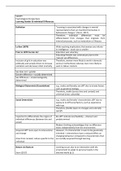
Why do we eat? • Glucose
• Use 20% of our energy
But, if we only need it for energy, why do we eat a variety of food?
Hunger Energy to group and develop (mentally and physically)
Varying types of food support everyday bodily functions
Brains needs oxygen/ blood supply for neurons
Nutrients Components of molecules that repairs tissues and organs
Hypothalamus Controls the metabolic rate – important for food consumption
Why do we eat when we
are not hungry?
Psychological
Perspectives
Stress Long-term stress (chronic) = increases cortisol
Makes you want to eat more
Acute stress is temporary, w/ immediate effects whereas chronic stress
is persistent over an extended period of time
Fatigue Levels of ghrelin (hormone that makes you want to eat) = increases
Levels of leptin (hormone that decreases hunger/ desire to eat) =
decreases
Nerves Flight or fight (sympathetic nervous system)
Flight or flight activates = body releases hormones (e.g., adrenaline,
cortisol and serotonin) = prepares body (by getting rid of anything that
takes up resources)
Cascade of hormones and vagal nerve activateion cause
gastrointestinal muscle to contract = urge to eat or not to eat
Anxiety Binge eating to manage stress/ worries
Strong link to ED Other factors: gene, mood disorders to trauma, addiction, abuse etc.
Boredom/ mindless Psychological and emotional state when left w/ nothing to do
eating
Psychological Perspectives
Learning to Eat
Why do we eat? • Glucose
• Use 20% of our energy
But, if we only need it for energy, why do we eat a variety of food?
Hunger Energy to group and develop (mentally and physically)
Varying types of food support everyday bodily functions
Brains needs oxygen/ blood supply for neurons
Nutrients Components of molecules that repairs tissues and organs
Hypothalamus Controls the metabolic rate – important for food consumption
Why do we eat when we
are not hungry?
Psychological
Perspectives
Stress Long-term stress (chronic) = increases cortisol
Makes you want to eat more
Acute stress is temporary, w/ immediate effects whereas chronic stress
is persistent over an extended period of time
Fatigue Levels of ghrelin (hormone that makes you want to eat) = increases
Levels of leptin (hormone that decreases hunger/ desire to eat) =
decreases
Nerves Flight or fight (sympathetic nervous system)
Flight or flight activates = body releases hormones (e.g., adrenaline,
cortisol and serotonin) = prepares body (by getting rid of anything that
takes up resources)
Cascade of hormones and vagal nerve activateion cause
gastrointestinal muscle to contract = urge to eat or not to eat
Anxiety Binge eating to manage stress/ worries
Strong link to ED Other factors: gene, mood disorders to trauma, addiction, abuse etc.
Boredom/ mindless Psychological and emotional state when left w/ nothing to do
eating