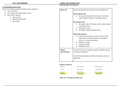
M 3:1 - Cost classification 1.2 Direct costs and indirect costs
Materials, labour and expenses
1.1 Total product/service costs
Total cost of making a product/providing a service consists of:
Direct cost Can be traced in full to the product, service or department
● Cost of materials
● Cost of wages and salaries (labour costs)
Direct material costs
● Cost of other expenses
● The costs of materials that are known to have been
○ Rent and rates
used in making a product, or providing a service
○ Electricity and gas bills
○ Depreciation
Direct labour costs
● The specific costs of the labour used to make a product
or provide a service
● Time taken for a job
● Time taken in direct production work
Other direct expenses
● Expenses that have been incurred in full as a direct
consequence of making a product, or providing a
service, or running a department
● Supervisors’ wages
● Cleaning materials
● Buildings insurance
Indirect Incurred in the course of making a product, providing a service
cost/Overhead or running a department
Cannot be traced directly and in full to the product, service or
department
Analysis of total cost
Prime cost = The total of all direct cost
,Direct material All material consumed in the manufacture of the product or Production overhead All indirect material costs, indirect wages and indirect
the provision of the service expenses incurred in the factory to facilitate th order
completion
Charged to the product as part of the prime cost
Includes:
Examples: Indirect materials
● Component parts (i.e, specifically for a particular job, ● Cannot be traced to the finished product
order or process) ● Consumable stores (eg, naterial used in negligible
● Part-finished work (eg, transferred from department amounts)
1 to department 2 - becomes a finished work of
department 1 and a direct material cost of Indirect wages
department 2) ● All wages not charged directly to a product
● Primary packing materials (eg, cartons and boxes) ● Wages of personnel in the production department
not directly involved in the manufacture of the
Direct labour Direct wages product (eg, supervisors)
All wages paid for labour, either as basic hours or as overtime, Indirect expenses
expended on work on the product itself ● Other than material and labour - not charged directly
to production
Costs charged to the product as part of the prime cost ● Rent, rates and insurance of a factory
● Depreciation
Examples: ● Fuel power
● Workers engaged in altering the condition or ● Maintenance of plant, machinery and buildings
composition of the product
● Inspectors, analysts, and testers specifically required Administration All indirect material costs, wages, and expenses incurred in
for such production overhead the direction, control and administration of a business
● Supervisors, shop clerks, and anyone else whose
wages are specifically identified as working on a Examples:
particular product ● Depreciation of office buildings and equipment
● Office salaries - directors, support staff and
Direct expenses Any expenses which are incurred on a specific product other accountants
(chargeable than direct material cost and direct labour ● Lighting, cleaning and telephone charges
expenses)
Charged to the product as part of the prime cost Marketing overhead All indirect materials costs, wages and expenses incurred in
promoting products and services and retaining customer
Examples: Examples:
● The hire tools or equipment of a particular job ● Printing and stationary (eg, catalogues and price
● The maintenance cost of tools, fixtures and so on lists)
● Salaries and commission (i.e., sales representatives
and sales department staff)
● Advertising, sales promotion and market research
Distribution All indirect material costs, wages and expenses incurred in
overhead making the packed product ready for despatch and delivering
it to the customer
,1. 3 Functional costs
Classification by function (Traditional)
● Production/manufacturing costs
● Administration costs
● Marketing and distribution costs
Full cost of sales
Functional costs
Production costs Costs incurred by the sequence of operations beginning with
the supply of raw materials, and ending with the completion
of the product ready for warehousing as a finished goods item
Administration costs Costs of managing an organization
● Not related to the production, sales, distributiono or
research functions
Marketing costs Costs of creating demand for products and securing from
customers
Distribution costs Costs associated with the sequence of activities commencing
with the receipt of finished goods from the production
department and making them ready for despatch
Research costs Costs of searching for new or improved products
Development costs Costs incurred between the decision to produce a new or
improved product and the commencement of full
manufacture of the product
Financing costs Costs incurred to finance the business (eg, loan interest)
M 3:2 - Overheads
, Overhead
● The cost incurred in the course of making a product, providing a service or
running a department
● Cannot be traced directly and in full to the product, service or department
Overhead is the total of:
● Indirect materials
● Indirect labour
● Indirect expenses
The total of these indirect costs usually split into:
● Production
● Marketing and distribution
● Administration
Cost accounting
Two schools of thought as to the correct method of dealing with overheads
● Absorption costing
● Marginal costing
M 3:3 - Absorption costing : An Introduction
Materials, labour and expenses
1.1 Total product/service costs
Total cost of making a product/providing a service consists of:
Direct cost Can be traced in full to the product, service or department
● Cost of materials
● Cost of wages and salaries (labour costs)
Direct material costs
● Cost of other expenses
● The costs of materials that are known to have been
○ Rent and rates
used in making a product, or providing a service
○ Electricity and gas bills
○ Depreciation
Direct labour costs
● The specific costs of the labour used to make a product
or provide a service
● Time taken for a job
● Time taken in direct production work
Other direct expenses
● Expenses that have been incurred in full as a direct
consequence of making a product, or providing a
service, or running a department
● Supervisors’ wages
● Cleaning materials
● Buildings insurance
Indirect Incurred in the course of making a product, providing a service
cost/Overhead or running a department
Cannot be traced directly and in full to the product, service or
department
Analysis of total cost
Prime cost = The total of all direct cost
,Direct material All material consumed in the manufacture of the product or Production overhead All indirect material costs, indirect wages and indirect
the provision of the service expenses incurred in the factory to facilitate th order
completion
Charged to the product as part of the prime cost
Includes:
Examples: Indirect materials
● Component parts (i.e, specifically for a particular job, ● Cannot be traced to the finished product
order or process) ● Consumable stores (eg, naterial used in negligible
● Part-finished work (eg, transferred from department amounts)
1 to department 2 - becomes a finished work of
department 1 and a direct material cost of Indirect wages
department 2) ● All wages not charged directly to a product
● Primary packing materials (eg, cartons and boxes) ● Wages of personnel in the production department
not directly involved in the manufacture of the
Direct labour Direct wages product (eg, supervisors)
All wages paid for labour, either as basic hours or as overtime, Indirect expenses
expended on work on the product itself ● Other than material and labour - not charged directly
to production
Costs charged to the product as part of the prime cost ● Rent, rates and insurance of a factory
● Depreciation
Examples: ● Fuel power
● Workers engaged in altering the condition or ● Maintenance of plant, machinery and buildings
composition of the product
● Inspectors, analysts, and testers specifically required Administration All indirect material costs, wages, and expenses incurred in
for such production overhead the direction, control and administration of a business
● Supervisors, shop clerks, and anyone else whose
wages are specifically identified as working on a Examples:
particular product ● Depreciation of office buildings and equipment
● Office salaries - directors, support staff and
Direct expenses Any expenses which are incurred on a specific product other accountants
(chargeable than direct material cost and direct labour ● Lighting, cleaning and telephone charges
expenses)
Charged to the product as part of the prime cost Marketing overhead All indirect materials costs, wages and expenses incurred in
promoting products and services and retaining customer
Examples: Examples:
● The hire tools or equipment of a particular job ● Printing and stationary (eg, catalogues and price
● The maintenance cost of tools, fixtures and so on lists)
● Salaries and commission (i.e., sales representatives
and sales department staff)
● Advertising, sales promotion and market research
Distribution All indirect material costs, wages and expenses incurred in
overhead making the packed product ready for despatch and delivering
it to the customer
,1. 3 Functional costs
Classification by function (Traditional)
● Production/manufacturing costs
● Administration costs
● Marketing and distribution costs
Full cost of sales
Functional costs
Production costs Costs incurred by the sequence of operations beginning with
the supply of raw materials, and ending with the completion
of the product ready for warehousing as a finished goods item
Administration costs Costs of managing an organization
● Not related to the production, sales, distributiono or
research functions
Marketing costs Costs of creating demand for products and securing from
customers
Distribution costs Costs associated with the sequence of activities commencing
with the receipt of finished goods from the production
department and making them ready for despatch
Research costs Costs of searching for new or improved products
Development costs Costs incurred between the decision to produce a new or
improved product and the commencement of full
manufacture of the product
Financing costs Costs incurred to finance the business (eg, loan interest)
M 3:2 - Overheads
, Overhead
● The cost incurred in the course of making a product, providing a service or
running a department
● Cannot be traced directly and in full to the product, service or department
Overhead is the total of:
● Indirect materials
● Indirect labour
● Indirect expenses
The total of these indirect costs usually split into:
● Production
● Marketing and distribution
● Administration
Cost accounting
Two schools of thought as to the correct method of dealing with overheads
● Absorption costing
● Marginal costing
M 3:3 - Absorption costing : An Introduction