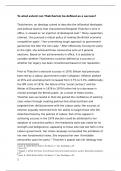
Early Modern
1500-1700
, Nature and definitions ofcriminal
changing Activity
Was there of why did have become
continuityor change in
types treason such a major issue in
why
crimes committed between the medieval period the
early modern Britian?
and the modern period? Man
·
early
believed
Continuity Change
1485 Tudor Takeover
·
-
Crime - Britian
by force.
against Murder, sudden Tudor family
the ↳ took in
rape, assault increase in power
levels of homocide This created resentment, their
person because enemies
↳ linked to poverty still disliked them
and
population
·
Peop
1534 Reformation'
the 'English abosta
· -
against->
Henry VsetprotestantchurchchicofEnglandre
Crime Arson, theft, robbery, there ↳
pouching was notmisch who w
74% crime all their
property
·
1600s
of in
change at
CatholicRobertAnke hanged, draw quartered
involved small theftwas
almostidentical to 1300s and t ·
Mos
because
when
religious opponents begg
73% involved petty theft he led of
a
group
New crimes were created: to
Henry VIII be
Crime ->
against Vagabondage of
·
crime
-
1958-1603 Plots Elizabeth 1
·
authority begging to kill
-
·
Witchcraft-crime ↳ Catholic Pope ordered all catholics to rid ·
Loca
get
created after 1542 ofQueen Elizabeth because
religious
of
angryt
people become more likely settlement. Elizabeth responded bypersecuting to p
to comitt old crimes: Catholics. As a result, lots of catholic
suppo
·
Treason:people were plotted to kill Elizabeth
Plot Why th
unhappy aboutthe ↳
Babington
backgrounds 1603-1625- to kill James (
·
religious of plots
the James I Attidites
monarch
↳King was
protestanttargeted by Catholics
↳
Heresy Gunpowder plotof1609
·
Many
·
extremely
Why did
Major Why harshly?
theybecomes
a issue in the early was the crime oftreason punished so
they of
modern supernatu
Monarch (1986)
threatened
Babington Plot Authorities feltfor
·
things
- -
·
Reformation -
period of
religious change
-
As a
result, many by number of plots -
Gunpowder Plot (1603) theyneeded
1500-1700
, Nature and definitions ofcriminal
changing Activity
Was there of why did have become
continuityor change in
types treason such a major issue in
why
crimes committed between the medieval period the
early modern Britian?
and the modern period? Man
·
early
believed
Continuity Change
1485 Tudor Takeover
·
-
Crime - Britian
by force.
against Murder, sudden Tudor family
the ↳ took in
rape, assault increase in power
levels of homocide This created resentment, their
person because enemies
↳ linked to poverty still disliked them
and
population
·
Peop
1534 Reformation'
the 'English abosta
· -
against->
Henry VsetprotestantchurchchicofEnglandre
Crime Arson, theft, robbery, there ↳
pouching was notmisch who w
74% crime all their
property
·
1600s
of in
change at
CatholicRobertAnke hanged, draw quartered
involved small theftwas
almostidentical to 1300s and t ·
Mos
because
when
religious opponents begg
73% involved petty theft he led of
a
group
New crimes were created: to
Henry VIII be
Crime ->
against Vagabondage of
·
crime
-
1958-1603 Plots Elizabeth 1
·
authority begging to kill
-
·
Witchcraft-crime ↳ Catholic Pope ordered all catholics to rid ·
Loca
get
created after 1542 ofQueen Elizabeth because
religious
of
angryt
people become more likely settlement. Elizabeth responded bypersecuting to p
to comitt old crimes: Catholics. As a result, lots of catholic
suppo
·
Treason:people were plotted to kill Elizabeth
Plot Why th
unhappy aboutthe ↳
Babington
backgrounds 1603-1625- to kill James (
·
religious of plots
the James I Attidites
monarch
↳King was
protestanttargeted by Catholics
↳
Heresy Gunpowder plotof1609
·
Many
·
extremely
Why did
Major Why harshly?
theybecomes
a issue in the early was the crime oftreason punished so
they of
modern supernatu
Monarch (1986)
threatened
Babington Plot Authorities feltfor
·
things
- -
·
Reformation -
period of
religious change
-
As a
result, many by number of plots -
Gunpowder Plot (1603) theyneeded