PROFITABILITY RATIOS
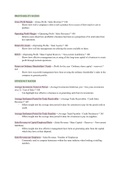
Gross Profit Margin = (Gross Profit / Sales Revenue) * 100
- Shows how well a company is able to sell a product for in excess of how much it cost to
produce.
Operating Profit Margin = (Operating Profit / Sales Revenue) * 100
- Informs users about how profitable a business has been as a proportion of its total sales from
key operations.
Return On Assets = (Operating Profits / Total Assets) * 100
- Shows how well the management are utilising the assets available to them.
ROCE = (Operating Profit / Share Capital Reserves + Non-current Liabilities) * 100
- Shows how effective management are at using all the long-term capital of a business to create
profit through normal operations.
Return on Ordinary Shareholders’ Funds = (Profit for the year / Ordinary share capital + reserves) *
365
- Shows how successful management have been at using the ordinary shareholder’s stake in the
company to generate profits.
EFFICIENCY RATIOS
Average Inventories Turnover Period = (Average Inventories Held (last year + this years inventories
over 2) / Cost of Sale) * 100
- Can highlight how effective a business is at generating cash from its inventories.
Average Settlement Period for Trade Receivables = (Average Trade Receivables / Credit Sales
Revenue) * 365
- Offers insight into the average time period it takes for customers to pay for the goods sold on
credit.
Average Settlement Period for Trade Payables = (Average Trade Payables / Credit Purchases) * 365
- Offers insight into the average time period it takes for a business to pay its suppliers.
Sales Revenue to Capital Employed Ratio = (Sales Revenue / Share Capital + Reserves + Non-current
liabilities)
- Offers insight into how effective management have been at generating sales from the capital
which they have at their disposal.
Sales Revenue per Employee = Sales Revenue / Number of Employees
- Commonly used to compare businesses within the same industry when looking at staffing
numbers.
Gross Profit Margin = (Gross Profit / Sales Revenue) * 100
- Shows how well a company is able to sell a product for in excess of how much it cost to
produce.
Operating Profit Margin = (Operating Profit / Sales Revenue) * 100
- Informs users about how profitable a business has been as a proportion of its total sales from
key operations.
Return On Assets = (Operating Profits / Total Assets) * 100
- Shows how well the management are utilising the assets available to them.
ROCE = (Operating Profit / Share Capital Reserves + Non-current Liabilities) * 100
- Shows how effective management are at using all the long-term capital of a business to create
profit through normal operations.
Return on Ordinary Shareholders’ Funds = (Profit for the year / Ordinary share capital + reserves) *
365
- Shows how successful management have been at using the ordinary shareholder’s stake in the
company to generate profits.
EFFICIENCY RATIOS
Average Inventories Turnover Period = (Average Inventories Held (last year + this years inventories
over 2) / Cost of Sale) * 100
- Can highlight how effective a business is at generating cash from its inventories.
Average Settlement Period for Trade Receivables = (Average Trade Receivables / Credit Sales
Revenue) * 365
- Offers insight into the average time period it takes for customers to pay for the goods sold on
credit.
Average Settlement Period for Trade Payables = (Average Trade Payables / Credit Purchases) * 365
- Offers insight into the average time period it takes for a business to pay its suppliers.
Sales Revenue to Capital Employed Ratio = (Sales Revenue / Share Capital + Reserves + Non-current
liabilities)
- Offers insight into how effective management have been at generating sales from the capital
which they have at their disposal.
Sales Revenue per Employee = Sales Revenue / Number of Employees
- Commonly used to compare businesses within the same industry when looking at staffing
numbers.