NGR 5141 Module 13 Assignment QUESTIONS AND ANSWERS. LATEST 2023
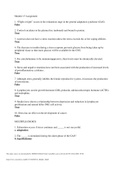
Module 13 Assignment 1. Briefly explain how does diabetes Mellitus contribute to the development or acceleration of coronary heart disease? To renal failure? Chronic hyperglycemia increases the production of reactive oxygen species and the detrimental effects of oxidative stress. Increased platelet adhesion and decreased fibrinolysis promote thrombus formation and vascular occlusion. Macrovascular disease is a major cause of morbidity and mortality especially among those with diabetes. The fibrous plaques of atherosclerosis are associated with the proliferation of subendothelial smooth muscle in the arterial wall. Other factors in the serum of individuals with diabetes also stimulate this proliferation. The exact process responsible for destruction of kidneys in diabetes is unknown however several mechanisms contribute to nephropathy including hyperglycemia, systemic hypertension, hyperperfusion, hyperfiltration, increased blood viscosity, increased glomerular pressure, albuminuria, protein kinase C, growth factors, advanced glycation end products, inflammatory cytokines, oxidative stress, the reninangiotensin-aldosterone system, and hypercholesterolemia. The glomeruli are injured by protein denaturation by high glucose levels and adverse effects of intraglomerular microcirculatory hypertension. 2. Explain the rationale for the development of diabetic ketoacidosis in IDDM and HHNKS in NIDDM. Why is the serum glucose more elevated in HHNKS? Diabetic ketoacidosis (DKA) occurs when there is an absolute or relative deficiency of insulin. It is more common in those with diabetes type 1. The most common predisposing factor for DKA is intercurrent illness such as infection, trauma, surgery, or myocardial infarction. Additionally, interruption of insulin administration can also result in DKA. Emotional factors and stress are also thought to be contributing factors. DKA occurs because in a state of relative insulin deficiency there is a rise in insulin counterregulatory hormones such as catecholamines, cortisol, glucagon, and GH. These hormones antagonize insulin by increasing glucose production and also decrease the use of glucose. This profound insulin deficiency results in decreased glucose uptake, increased fat mobilization with release of fatty acids, and accelerated gluconeogenesis. Hyperosmolar hyperglycemic nonketotic syndrome (HHNKS) is a life threatening emergency which has precipitating factors such as infections, medications, non-compliance, or co-existing disease. It is more common in those with diabetes type 2. Levels of free fatty acids in HHNKS are usually lower than those found in DKA. HHNKS is characterized by a lack of ketosis. Since the amount of insulin r
Written for
- Institution
-
University Of Central Florida
- Course
-
NGR 5141
Document information
- Uploaded on
- April 4, 2023
- Number of pages
- 5
- Written in
- 2022/2023
- Type
- Case
- Professor(s)
- Unknown
- Grade
- Unknown
Subjects
- ngr 5141
-
ngr 5141 module 13 assignment questions and answers latest 2023