PLEA BEFORE VENUE
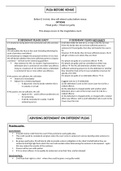
Before D is tried, they will attend a plea before venue.
OPTIONS
Plead guilty / Plead not guilty
This always occurs in the magistrates court.
IF DEFENDANT PLEADS GUILTY IF DEFENDANT PLEADS NOT GUILTY
D is treated as having been tried summarily and will convicted. D will then either be sent to CC, or stay in the MC for trial.
If the MC decide they do not have sufficient powers to
Procedure: sentence D if found guilty, then they will transfer the case to
CPS will outline the facts to the court (including informing the CC.
court of previous convictions) However, if MC decide they do have sufficient powers, the D
DS will attempt to mitigate the proposed sentence D is to face. will get a choice as to where they are tried.
MC will decide whether they have sufficient powers to impose
a sentence – will look to the sentencing guidelines If D pleads not guilty of a summary offence MC
Max sentence for MC: six months’ imprisonment for a If D pleads not guilty and has committed an either-way
defendant who is convicted of one either way offence, offence The MC will determine whether they have
rising to a maximum of 12 months where a defendant sufficient sentencing powers to try the defendant or whether
is convicted of two or more either way offences. they should be tried at the CC (see Jurisdiction structure for
ads/dis of CC/MC)
If MC powers are sufficient, MC will either If D pleads not guilty of an indictable offence CC.
Sentence D immediately
Adjourn for a Sentencing Report D will be sent to CC if (s50A(3)(b):
o If adjourned: need to decide whether this is (a) the defendant is sent to the Crown Court for trial for a
in custody or on bail. related offence;
(b) the defendant is charged jointly with another adult
If MC powers are not sufficient, MC will defendant who is sent to the Crown Court for trial for a
o Apply s14 SC – and D will be transferred to CC related offence;
for sentencing. (c) the defendant is charged jointly, or charged with a related
o D will be remanded in custody / bail till either way offence, with a youth defendant who is sent to the
sentencing occurs Crown Court for trial.
ADVISING DEFENDANT ON DIFFERENT PLEAS
Pleading guilty:
ADVANTAGES:
D would receive credit from the court if they entered an early guilty plea
This credit would be considered and given when the court come to sentence D and are deciding what sentence to
impose.
By giving a guilty plea, DS will also be able to provide a plea in mitigation on the client’s behalf before they are
sentenced and high light facts which the court will consider when determining the sentence to be imposed – again
this may reduce the severity of the sentence.
Process will be over with quicker
If it is a minor offence, D can quickly be sentenced, serve their time, and be released.
DISADVANTAGE:
D will lose their right to a trial – where they could be given a not guilty verdict
Before D is tried, they will attend a plea before venue.
OPTIONS
Plead guilty / Plead not guilty
This always occurs in the magistrates court.
IF DEFENDANT PLEADS GUILTY IF DEFENDANT PLEADS NOT GUILTY
D is treated as having been tried summarily and will convicted. D will then either be sent to CC, or stay in the MC for trial.
If the MC decide they do not have sufficient powers to
Procedure: sentence D if found guilty, then they will transfer the case to
CPS will outline the facts to the court (including informing the CC.
court of previous convictions) However, if MC decide they do have sufficient powers, the D
DS will attempt to mitigate the proposed sentence D is to face. will get a choice as to where they are tried.
MC will decide whether they have sufficient powers to impose
a sentence – will look to the sentencing guidelines If D pleads not guilty of a summary offence MC
Max sentence for MC: six months’ imprisonment for a If D pleads not guilty and has committed an either-way
defendant who is convicted of one either way offence, offence The MC will determine whether they have
rising to a maximum of 12 months where a defendant sufficient sentencing powers to try the defendant or whether
is convicted of two or more either way offences. they should be tried at the CC (see Jurisdiction structure for
ads/dis of CC/MC)
If MC powers are sufficient, MC will either If D pleads not guilty of an indictable offence CC.
Sentence D immediately
Adjourn for a Sentencing Report D will be sent to CC if (s50A(3)(b):
o If adjourned: need to decide whether this is (a) the defendant is sent to the Crown Court for trial for a
in custody or on bail. related offence;
(b) the defendant is charged jointly with another adult
If MC powers are not sufficient, MC will defendant who is sent to the Crown Court for trial for a
o Apply s14 SC – and D will be transferred to CC related offence;
for sentencing. (c) the defendant is charged jointly, or charged with a related
o D will be remanded in custody / bail till either way offence, with a youth defendant who is sent to the
sentencing occurs Crown Court for trial.
ADVISING DEFENDANT ON DIFFERENT PLEAS
Pleading guilty:
ADVANTAGES:
D would receive credit from the court if they entered an early guilty plea
This credit would be considered and given when the court come to sentence D and are deciding what sentence to
impose.
By giving a guilty plea, DS will also be able to provide a plea in mitigation on the client’s behalf before they are
sentenced and high light facts which the court will consider when determining the sentence to be imposed – again
this may reduce the severity of the sentence.
Process will be over with quicker
If it is a minor offence, D can quickly be sentenced, serve their time, and be released.
DISADVANTAGE:
D will lose their right to a trial – where they could be given a not guilty verdict