Substantial property transaction – non-cash asset
Substantial property Transaction (substantial non-cash asset):
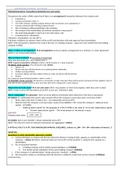
The general rule under s190(1) states that if there is an arrangement (transaction) between the company and
A director or
someone connected to them, or
one of the company’s holding company directors (But not directors of its subsidiaries) or
a person connected with a holding company director,
who is buying or selling something to the company,
the consent of the shareholders by ordinary resolution is necessary if
the asset being bought or sold is of a non-cash nature, and
is deemed to be ‘substantial’.
(Therefore, shareholders can veto SPT’s)
If all these conditions are present, there will be an SPT and therefore will need approval from shareholders.
NOTE: If the transaction is between the comp & director of a holding company – approval is also needed from the holding
company (s190(2)
What / is there an arrangement? An arrangement can be an express arrangement via a contract, or a mere agreement
which is not contractually binding.
Who are those involved? (see below if need help)
State who the parties are… the company and ‘x’.
NOTE: A person connected to a director is either a family member or a ‘body corporate’:
S252(2): family members: This will include under s253(2):
Spouse / CP
Partner who lives with the director in an enduring family relationship
Children and step children
A partners children and step children if they are under 18 and live with the director
Parents.
So…it does not cover all family (brothers / sisters / uncle…)
S252(2)(B): A body corporate: The director is connected to a body corporate if they and the person connected to them together: Own at
least 20% of share capital (shares) or have more than 20% of the voting power in the company.
What is the non-cash asset? A non-cash asset will be ‘any property or interest in property, other than cash’ (s1163)
NOTE: A loan is not an SPT but shares are an SPT, as are cars / interests in land.
Was it ‘substantial’? substantial - there are three different thresholds which determine if the NCA is substantial:
S191(2)(a): it is substantial if the asset’s value exceeds 10% of the company’s asset value and is more than 5,000 =
(If the value of the NCA is 5,000 or less = not substantial and not an SPT)
Need to check the company’s net asset value: assets minus liabilities / OR / check the company’s ‘called up share
capital – s191(3)(b)
o called-up share capital’ for the purposes of s.191 CA 2006 is the value of its current issued share capital.
‘Current issued share capital’ - The initial amount of the shares in issue.
Sum: NCA
Company asset value x 100 = 10%
S191(2)(b): NCA is over 100,000 = always substantial and an SPT.
NOTE: The value of a series of contracts/transactions are aggregated -s190(5).
IF AFTER ALL THIS, IT IS A SPT, THEN SHAREHOLDER APPROVAL IS REQUIRED…ordinary res…(BM – GM – BM + declarations of interests…?)
HOWEVER…
Exceptions to when shareholder approval is needed:
a. Contract between a company and director where the director is acting in their capacity as a shareholder of the
company – s192(a) (therefore, share buy-backs are not an SPT as this would be ‘x’ acting in their capacity as a
shareholder)
b. For a transaction between
a. A holding company and its wholly owned subsidiary, or s192(b)(i).
b. Two wholly owned subsidiaries of the same holding company s192(b)(ii).
c. If the company is in administration / being wound up / insolvent – s193(1).
d. the transaction relates to something which the director is entitled to under their service contract (s190(6)(a).
Continued below…
, Substantial property transaction – non-cash asset
Failure to get shareholder approval:
If there is a failure to get shareholder approval, this will be a breach of s190.
The effect of this would be:
S195(2) the company (‘x’s company) may be able to make the contract entered into void.
The shareholders can also affirm / ratify the contract / transaction by ordinary resolution (s196).
The director (‘x) and any other person connected to the director or connected to the transaction (i.e another director
who authorised the transaction say) will be liable to jointly and severally indemnify the company if there has been any
loss or account to the company for any gain they made (195(3) & (4).
Procedure plan for SPT:
Board Meeting:
A BM would first have to be called for the directors to discuss whether:
The transaction / arrangement should be entered into
The terms of the arrangement
That a GM would need to be called or a written resolution circulated (s288). A board resolution
would need to be passed for this to be held – and deciding date, time, location, description of the
transaction…
Notice The BM itself would have to be called and notice would need to be given. This can be done
by:
Any director, or authorised person calling the BM (Art 9)
The notice must stipulate the time, date and location of the meeting (Art9(2))
The notice must include a reasonable notice period suitable for that individual company (Re
Homer) -APPLY.
The notice can be given orally or in writing (Art 9(3)).
Who can give notice?
Has appropriate notice already been given?
What will be ‘reasonable’?
Does / did the notice contain all relevant information?
Could state what the resolution is to be proposed at the meeting for clarity…
Quorum To hold a valid BM, the quorum must be met. This requires at least two directors to be
present (Art 11(2)).
Check amendments to articles – may make this more than two or just one director, which is fine.
Check how many were present
State who could be present…
Voting To vote on the decisions and to pass them, decisions must be taken collectively and pass by
majority. This means there must be over 50% voting in favour.
Identify who can vote
Check articles for amendments
Can someone not vote / does someone have an interest?
See below for conflict of interest / declaring an interest!
Substantial property Transaction (substantial non-cash asset):
The general rule under s190(1) states that if there is an arrangement (transaction) between the company and
A director or
someone connected to them, or
one of the company’s holding company directors (But not directors of its subsidiaries) or
a person connected with a holding company director,
who is buying or selling something to the company,
the consent of the shareholders by ordinary resolution is necessary if
the asset being bought or sold is of a non-cash nature, and
is deemed to be ‘substantial’.
(Therefore, shareholders can veto SPT’s)
If all these conditions are present, there will be an SPT and therefore will need approval from shareholders.
NOTE: If the transaction is between the comp & director of a holding company – approval is also needed from the holding
company (s190(2)
What / is there an arrangement? An arrangement can be an express arrangement via a contract, or a mere agreement
which is not contractually binding.
Who are those involved? (see below if need help)
State who the parties are… the company and ‘x’.
NOTE: A person connected to a director is either a family member or a ‘body corporate’:
S252(2): family members: This will include under s253(2):
Spouse / CP
Partner who lives with the director in an enduring family relationship
Children and step children
A partners children and step children if they are under 18 and live with the director
Parents.
So…it does not cover all family (brothers / sisters / uncle…)
S252(2)(B): A body corporate: The director is connected to a body corporate if they and the person connected to them together: Own at
least 20% of share capital (shares) or have more than 20% of the voting power in the company.
What is the non-cash asset? A non-cash asset will be ‘any property or interest in property, other than cash’ (s1163)
NOTE: A loan is not an SPT but shares are an SPT, as are cars / interests in land.
Was it ‘substantial’? substantial - there are three different thresholds which determine if the NCA is substantial:
S191(2)(a): it is substantial if the asset’s value exceeds 10% of the company’s asset value and is more than 5,000 =
(If the value of the NCA is 5,000 or less = not substantial and not an SPT)
Need to check the company’s net asset value: assets minus liabilities / OR / check the company’s ‘called up share
capital – s191(3)(b)
o called-up share capital’ for the purposes of s.191 CA 2006 is the value of its current issued share capital.
‘Current issued share capital’ - The initial amount of the shares in issue.
Sum: NCA
Company asset value x 100 = 10%
S191(2)(b): NCA is over 100,000 = always substantial and an SPT.
NOTE: The value of a series of contracts/transactions are aggregated -s190(5).
IF AFTER ALL THIS, IT IS A SPT, THEN SHAREHOLDER APPROVAL IS REQUIRED…ordinary res…(BM – GM – BM + declarations of interests…?)
HOWEVER…
Exceptions to when shareholder approval is needed:
a. Contract between a company and director where the director is acting in their capacity as a shareholder of the
company – s192(a) (therefore, share buy-backs are not an SPT as this would be ‘x’ acting in their capacity as a
shareholder)
b. For a transaction between
a. A holding company and its wholly owned subsidiary, or s192(b)(i).
b. Two wholly owned subsidiaries of the same holding company s192(b)(ii).
c. If the company is in administration / being wound up / insolvent – s193(1).
d. the transaction relates to something which the director is entitled to under their service contract (s190(6)(a).
Continued below…
, Substantial property transaction – non-cash asset
Failure to get shareholder approval:
If there is a failure to get shareholder approval, this will be a breach of s190.
The effect of this would be:
S195(2) the company (‘x’s company) may be able to make the contract entered into void.
The shareholders can also affirm / ratify the contract / transaction by ordinary resolution (s196).
The director (‘x) and any other person connected to the director or connected to the transaction (i.e another director
who authorised the transaction say) will be liable to jointly and severally indemnify the company if there has been any
loss or account to the company for any gain they made (195(3) & (4).
Procedure plan for SPT:
Board Meeting:
A BM would first have to be called for the directors to discuss whether:
The transaction / arrangement should be entered into
The terms of the arrangement
That a GM would need to be called or a written resolution circulated (s288). A board resolution
would need to be passed for this to be held – and deciding date, time, location, description of the
transaction…
Notice The BM itself would have to be called and notice would need to be given. This can be done
by:
Any director, or authorised person calling the BM (Art 9)
The notice must stipulate the time, date and location of the meeting (Art9(2))
The notice must include a reasonable notice period suitable for that individual company (Re
Homer) -APPLY.
The notice can be given orally or in writing (Art 9(3)).
Who can give notice?
Has appropriate notice already been given?
What will be ‘reasonable’?
Does / did the notice contain all relevant information?
Could state what the resolution is to be proposed at the meeting for clarity…
Quorum To hold a valid BM, the quorum must be met. This requires at least two directors to be
present (Art 11(2)).
Check amendments to articles – may make this more than two or just one director, which is fine.
Check how many were present
State who could be present…
Voting To vote on the decisions and to pass them, decisions must be taken collectively and pass by
majority. This means there must be over 50% voting in favour.
Identify who can vote
Check articles for amendments
Can someone not vote / does someone have an interest?
See below for conflict of interest / declaring an interest!