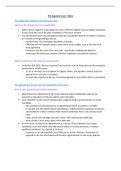
OWP summary psychology UU
Inhoud
unit 1 Meta-theories ....................................................................................................................... 8
What is development? .............................................................................................................. 8
Lifespan perspective .............................................................................................................. 8
Contextualism as paradigm (an example or pattern for something) ......................... 8
Domains of development .................................................................................................. 8
Contextual perspectives .................................................................................................... 9
Poverty level......................................................................................................................... 9
Lifespan vs. Life expectancy ............................................................................................. 9
Conceptions of Age ........................................................................................................... 9
Periods of development ........................................................................................................ 9
Meta-theories of human development ............................................................................. 10
What are meta-theories of human development?...................................................... 10
What kinds of assumptions guide the study of human development? ..................... 10
Guiding meta-theories in human development .............................................................. 11
Historical theories of development .................................................................................... 12
Contemporary theories on development ......................................................................... 13
Erikson (1902-1994) and Psychosocial Theory. ............................................................... 13
Learning Theory ................................................................................................................. 14
Social Learning Theory...................................................................................................... 14
Cognitive Theory ............................................................................................................... 14
Urie Bronfenbrenner .......................................................................................................... 15
Unit 2 research methods ............................................................................................................. 15
How do we learn how to promote development? ............................................................. 15
Science as a powerful way of knowing............................................................................. 16
Take home messages........................................................................................................... 17
Lifespan developmental research methodologies ............................................................. 18
Deductive methodologies................................................................................................... 18
Inductive methodologies..................................................................................................... 18
Collaborative methodologies ............................................................................................. 18
Methods of gathering information ..................................................................................... 19
Descriptive and explanatory designs .................................................................................... 19
Naturalistic field study: take home messages ................................................................... 21
1
,OWP summary psychology UU
Chapter 3 infancy ........................................................................................................................ 21
Beginnings: conception and prenatal development ......................................................... 21
Prenatal development ......................................................................................................... 21
teratogens .......................................................................................................................... 22
Attachment ............................................................................................................................... 24
Developmental task of infancy: trust vs mistrust ............................................................... 24
What babies come with ...................................................................................................... 24
Forming attachments ........................................................................................................... 24
Mary Ainsworth and the strange situation technique ..................................................... 25
Caregiver interactions and the formation of attachment .......................................... 25
Internal working models of attachment ............................................................................ 26
temperament............................................................................................................................ 26
Developmental Task of Toddlerhood: Autonomy vs. Shame and Doubt ..................... 26
temperament ........................................................................................................................ 26
Infant emotions ..................................................................................................................... 27
Language & cognition ............................................................................................................ 27
Motor development ............................................................................................................. 27
Sensory capacities ................................................................................................................ 28
vision ................................................................................................................................... 28
hearing ............................................................................................................................... 28
Touch and pain ................................................................................................................. 28
Taste and smell .................................................................................................................. 28
intermodality ...................................................................................................................... 28
How are infants tested ..................................................................................................... 28
Piaget and the sensorimotor stage .................................................................................... 28
Schema, assimilation and accommodation ................................................................. 29
Cognitive development during infancy ........................................................................ 29
Development of memory during infancy .......................................................................... 29
Language development ..................................................................................................... 30
Language developmental progression ......................................................................... 30
Theories of language development ............................................................................... 30
Unit 4 family ................................................................................................................................... 31
parenting ................................................................................................................................... 31
parenting styles ..................................................................................................................... 31
2
,OWP summary psychology UU
spanking ................................................................................................................................. 32
Sibling relationships ............................................................................................................... 32
Parenting and families: creating supportive higher order contexts .................................. 32
Inclusive models of higher-order contexts......................................................................... 32
Cultural wealth of poor and minority children, youth and families ............................... 33
Research as a call to action ............................................................................................... 33
Take home messages........................................................................................................... 33
divorce ....................................................................................................................................... 33
divorce and its effect on children ...................................................................................... 33
Maltreatment, adversity and resilience................................................................................. 33
Child maltreatment .............................................................................................................. 34
Sexual abuse...................................................................................................................... 34
Effects of toxic stress on young children ........................................................................ 34
Adverse childhood experience (ACEs) ............................................................................. 34
Early prevention and intervention................................................................................... 35
resilience ................................................................................................................................ 35
Unit 5 early childhood.................................................................................................................. 35
Self-regulation ........................................................................................................................... 35
Developmental task of early childhood: initiative vs guilt............................................... 35
Behavior and emotional self-regulation ............................................................................ 35
Emotional self-regulation.................................................................................................. 36
Social and emotional competence .................................................................................. 36
Cognitive development .......................................................................................................... 36
Piaget’s preoperational stage ............................................................................................ 36
Intuitive substage .............................................................................................................. 37
Vygotsky’s sociocultural theory: changes in thought with guidance ........................... 37
Sociocultural theory .......................................................................................................... 37
Language as a developmental tool .............................................................................. 37
Scaffolding and the “zone of proximal development” ............................................... 38
Theory of mind....................................................................................................................... 38
Language development ..................................................................................................... 38
bilingualism ............................................................................................................................ 38
Early childhood education .................................................................................................. 39
Unit 6 middle childhood .............................................................................................................. 39
3
, OWP summary psychology UU
Play and peers .......................................................................................................................... 39
Developmental task of middle childhood: industry vs. inferiority ................................... 39
The role of play in development......................................................................................... 39
Pretend Play ....................................................................................................................... 39
Sports and physical education ........................................................................................... 40
Friendship and peer relationships ....................................................................................... 40
friendships........................................................................................................................... 40
Peer groups ........................................................................................................................ 41
sociometrics and popularity ............................................................................................ 41
cognitive development ........................................................................................................... 41
Concrete operational thought ........................................................................................... 41
Moral development ................................................................................................................. 42
Kohlberg’s stages of moral development ......................................................................... 42
Influences on moral development ..................................................................................... 42
Gender development ............................................................................................................. 43
Biopsychosocial processes of gender ................................................................................ 43
Societal expectations about gender: gender roles and stereotypes ........................... 43
Psychological androgyny ................................................................................................ 43
Processes of gender development .................................................................................... 43
Age-graded milestones in gender development ............................................................ 44
Sex/gender differences ....................................................................................................... 45
Unit 7: adolescence ..................................................................................................................... 45
Intelligence, education & motivational development ....................................................... 45
Development of self-understanding .................................................................................. 45
Theories of intelligence ........................................................................................................ 45
General (g) versus specific (s) intelligence.................................................................... 45
Triarchic theory .................................................................................................................. 45
Theory of multiple intelligences ....................................................................................... 46
Measuring intelligence: standardization and the intelligence quotient ....................... 46
Wechsler scales ................................................................................................................. 47
Bias in tests of intelligence................................................................................................ 47
education .............................................................................................................................. 47
Cultural differences in the classroom ............................................................................. 47
the development of motivation: mindsets ........................................................................ 47
4
Inhoud
unit 1 Meta-theories ....................................................................................................................... 8
What is development? .............................................................................................................. 8
Lifespan perspective .............................................................................................................. 8
Contextualism as paradigm (an example or pattern for something) ......................... 8
Domains of development .................................................................................................. 8
Contextual perspectives .................................................................................................... 9
Poverty level......................................................................................................................... 9
Lifespan vs. Life expectancy ............................................................................................. 9
Conceptions of Age ........................................................................................................... 9
Periods of development ........................................................................................................ 9
Meta-theories of human development ............................................................................. 10
What are meta-theories of human development?...................................................... 10
What kinds of assumptions guide the study of human development? ..................... 10
Guiding meta-theories in human development .............................................................. 11
Historical theories of development .................................................................................... 12
Contemporary theories on development ......................................................................... 13
Erikson (1902-1994) and Psychosocial Theory. ............................................................... 13
Learning Theory ................................................................................................................. 14
Social Learning Theory...................................................................................................... 14
Cognitive Theory ............................................................................................................... 14
Urie Bronfenbrenner .......................................................................................................... 15
Unit 2 research methods ............................................................................................................. 15
How do we learn how to promote development? ............................................................. 15
Science as a powerful way of knowing............................................................................. 16
Take home messages........................................................................................................... 17
Lifespan developmental research methodologies ............................................................. 18
Deductive methodologies................................................................................................... 18
Inductive methodologies..................................................................................................... 18
Collaborative methodologies ............................................................................................. 18
Methods of gathering information ..................................................................................... 19
Descriptive and explanatory designs .................................................................................... 19
Naturalistic field study: take home messages ................................................................... 21
1
,OWP summary psychology UU
Chapter 3 infancy ........................................................................................................................ 21
Beginnings: conception and prenatal development ......................................................... 21
Prenatal development ......................................................................................................... 21
teratogens .......................................................................................................................... 22
Attachment ............................................................................................................................... 24
Developmental task of infancy: trust vs mistrust ............................................................... 24
What babies come with ...................................................................................................... 24
Forming attachments ........................................................................................................... 24
Mary Ainsworth and the strange situation technique ..................................................... 25
Caregiver interactions and the formation of attachment .......................................... 25
Internal working models of attachment ............................................................................ 26
temperament............................................................................................................................ 26
Developmental Task of Toddlerhood: Autonomy vs. Shame and Doubt ..................... 26
temperament ........................................................................................................................ 26
Infant emotions ..................................................................................................................... 27
Language & cognition ............................................................................................................ 27
Motor development ............................................................................................................. 27
Sensory capacities ................................................................................................................ 28
vision ................................................................................................................................... 28
hearing ............................................................................................................................... 28
Touch and pain ................................................................................................................. 28
Taste and smell .................................................................................................................. 28
intermodality ...................................................................................................................... 28
How are infants tested ..................................................................................................... 28
Piaget and the sensorimotor stage .................................................................................... 28
Schema, assimilation and accommodation ................................................................. 29
Cognitive development during infancy ........................................................................ 29
Development of memory during infancy .......................................................................... 29
Language development ..................................................................................................... 30
Language developmental progression ......................................................................... 30
Theories of language development ............................................................................... 30
Unit 4 family ................................................................................................................................... 31
parenting ................................................................................................................................... 31
parenting styles ..................................................................................................................... 31
2
,OWP summary psychology UU
spanking ................................................................................................................................. 32
Sibling relationships ............................................................................................................... 32
Parenting and families: creating supportive higher order contexts .................................. 32
Inclusive models of higher-order contexts......................................................................... 32
Cultural wealth of poor and minority children, youth and families ............................... 33
Research as a call to action ............................................................................................... 33
Take home messages........................................................................................................... 33
divorce ....................................................................................................................................... 33
divorce and its effect on children ...................................................................................... 33
Maltreatment, adversity and resilience................................................................................. 33
Child maltreatment .............................................................................................................. 34
Sexual abuse...................................................................................................................... 34
Effects of toxic stress on young children ........................................................................ 34
Adverse childhood experience (ACEs) ............................................................................. 34
Early prevention and intervention................................................................................... 35
resilience ................................................................................................................................ 35
Unit 5 early childhood.................................................................................................................. 35
Self-regulation ........................................................................................................................... 35
Developmental task of early childhood: initiative vs guilt............................................... 35
Behavior and emotional self-regulation ............................................................................ 35
Emotional self-regulation.................................................................................................. 36
Social and emotional competence .................................................................................. 36
Cognitive development .......................................................................................................... 36
Piaget’s preoperational stage ............................................................................................ 36
Intuitive substage .............................................................................................................. 37
Vygotsky’s sociocultural theory: changes in thought with guidance ........................... 37
Sociocultural theory .......................................................................................................... 37
Language as a developmental tool .............................................................................. 37
Scaffolding and the “zone of proximal development” ............................................... 38
Theory of mind....................................................................................................................... 38
Language development ..................................................................................................... 38
bilingualism ............................................................................................................................ 38
Early childhood education .................................................................................................. 39
Unit 6 middle childhood .............................................................................................................. 39
3
, OWP summary psychology UU
Play and peers .......................................................................................................................... 39
Developmental task of middle childhood: industry vs. inferiority ................................... 39
The role of play in development......................................................................................... 39
Pretend Play ....................................................................................................................... 39
Sports and physical education ........................................................................................... 40
Friendship and peer relationships ....................................................................................... 40
friendships........................................................................................................................... 40
Peer groups ........................................................................................................................ 41
sociometrics and popularity ............................................................................................ 41
cognitive development ........................................................................................................... 41
Concrete operational thought ........................................................................................... 41
Moral development ................................................................................................................. 42
Kohlberg’s stages of moral development ......................................................................... 42
Influences on moral development ..................................................................................... 42
Gender development ............................................................................................................. 43
Biopsychosocial processes of gender ................................................................................ 43
Societal expectations about gender: gender roles and stereotypes ........................... 43
Psychological androgyny ................................................................................................ 43
Processes of gender development .................................................................................... 43
Age-graded milestones in gender development ............................................................ 44
Sex/gender differences ....................................................................................................... 45
Unit 7: adolescence ..................................................................................................................... 45
Intelligence, education & motivational development ....................................................... 45
Development of self-understanding .................................................................................. 45
Theories of intelligence ........................................................................................................ 45
General (g) versus specific (s) intelligence.................................................................... 45
Triarchic theory .................................................................................................................. 45
Theory of multiple intelligences ....................................................................................... 46
Measuring intelligence: standardization and the intelligence quotient ....................... 46
Wechsler scales ................................................................................................................. 47
Bias in tests of intelligence................................................................................................ 47
education .............................................................................................................................. 47
Cultural differences in the classroom ............................................................................. 47
the development of motivation: mindsets ........................................................................ 47
4