Table of Contents
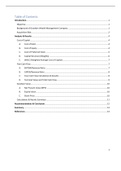
Executive Summary ....................................................................................................................................... 1
Introduction................................................................................................................................................... 2
Objective .................................................................................................................................................... 2
Canadian Telecommunications Industry ................................................................................................... 2
Industry Analysis ........................................................................................................................................... 3
A. Barriers to Entry ................................................................................................................................ 3
B. Power of Suppliers ............................................................................................................................ 3
C. Power of Buyers ................................................................................................................................ 4
D. Substitutes ........................................................................................................................................ 5
E. Industry Rivalry ................................................................................................................................. 5
Financial Analysis .......................................................................................................................................... 6
A. Ratio Analysis .................................................................................................................................... 6
Short-Term Solvency or Liquidity Ratios................................................................................................ 7
Long-Term Solvency or Financial Leverage Ratio .................................................................................. 7
Asset Utilization Turnover Ratio ............................................................................................................ 7
Profitability Ratio ................................................................................................................................... 8
Market Value Ratios .............................................................................................................................. 8
B. Common Size Analysis ...................................................................................................................... 8
C. Pro Forma Financial Statements....................................................................................................... 9
Income Statement ................................................................................................................................. 9
Balance Sheet (Assets) .........................................................................................................................11
Balance Sheet (Liabilities) ....................................................................................................................13
Forecasting Stock Value ..............................................................................................................................14
A. Dividend Growth Model .................................................................................................................14
B. P/E Multiple ....................................................................................................................................15
C. P/CF Multiple ..................................................................................................................................16
D. P/Sales Multiple ..............................................................................................................................16
E. P/Book Value Multiple ....................................................................................................................17
F. Discounted Company’s Forecasted Free Cash Flow .......................................................................18
Weighted Average Cost of Capital (WACC) ................................................................................................18
Conclusions..................................................................................................................................................19
Recommendations ......................................................................................................................................20
References ...................................................................................................................................................21
Appendix......................................................................................................................................................22
ii
,Table of Tables
Table 1: Financial Ratios ................................................................................................................................ 6
Table 2: Dividend Growth Model (Calculations)..........................................................................................14
Table 3: Dividend Growth Model (Results)..................................................................................................15
Table 4: P/E Multiple ...................................................................................................................................15
Table 5: P/CF Multiple .................................................................................................................................16
Table 6: P/Sales Multiple .............................................................................................................................17
Table 7: P/Book Value Multiple ...................................................................................................................17
Table 8: Discounted Company's Forecasted Free Cash Flow ......................................................................18
Table 9: WACC .............................................................................................................................................18
Table 10: Common Size Analysis (Rogers-Balance Sheet) ...........................................................................22
Table 11: Common Size Analysis (Telus-Balance Sheet)..............................................................................23
Table 12: Common Size Analysis (Telus-Income Statement) ......................................................................23
Table 13: Common Size Analysis (Rogers-Income Statement) ....................................................................23
Table 14: Pro Forma Analysis (Rogers-Balance Sheet) ................................................................................23
Table 15: Pro Forma Analysis (Telus-Balance Sheet) ...................................................................................23
Table 16: Pro Forma Analysis (Rogers-Income Statement) .........................................................................23
Table 17: Pro Forma Analysis (Telus-Income Statement) ...........................................................................23
Table 18: Dividend Growth Rate (Telus) ......................................................................................................23
Table 19: NPV (Rogers) ................................................................................................................................23
Table 20: NPV (Telus) ...................................................................................................................................23
iii
, Executive Summary
The objective of this report is to determine the equity valuation of Rogers and Telus, two of the
top Canadian telecommunication companies. A fundamental financial analysis approach is
followed to generate the equity valuation for both companies and recommend investment
opportunities. The Porter’s five forces analysis was performed to evaluate the industry market
trends based on the possible opportunities and challenges faced among the companies. The
financial analysis relied on past data from 2018 to 2020 which were collected from the annual
reports for both companies. Ratio analysis was applied to assess the companies’ financial
information for the past 3 years and compare the financial ratios to industry averages. From the
historical data and using the pro-forma method, the future common size statements, balance sheets,
and income statements were predicted for the years 2021, 2022, and 2023. In addition, the dividend
growth model, WACC, and NPV using the predicted free cash flow model were computed before
determining the equity valuation of Rogers and Telus.
The report includes financial and market trends of Rogers and Telus while considering the
COVID-19 pandemic and its effects on the use of home internet, WIFI, television media streaming,
and data plans. The equity valuation of Rogers and Telus were forecasted for 2021, 2022, and 2023
using different methods and ratios. The predicted share price for Rogers in 2023 is found to be
$46.7 using dividend growth model, $72.07 using the P/E multiple, $75.6 using the P/CF multiple,
$62 using the P/Sales multiple, $90.53 using the P/Book multiple, and $75.62 using the
discounting method. For Telus, the predicted share price in 2023 is predicted to be $27.79 using
dividend growth model, $22.81 using the P/E multiple, $26.09 using the P/CF multiple, $20.35
using the P/Sales multiple, $26.12 using the P/Book multiple, and $48.13 using the discounting
method. Also, the WACC was obtained for both companies Rogers and Telus to be 5.09% and
5.72%, respectively. The forecasted share prices and market capital for both Rogers and Telus are
comparatively consistent with each other.
1
Executive Summary ....................................................................................................................................... 1
Introduction................................................................................................................................................... 2
Objective .................................................................................................................................................... 2
Canadian Telecommunications Industry ................................................................................................... 2
Industry Analysis ........................................................................................................................................... 3
A. Barriers to Entry ................................................................................................................................ 3
B. Power of Suppliers ............................................................................................................................ 3
C. Power of Buyers ................................................................................................................................ 4
D. Substitutes ........................................................................................................................................ 5
E. Industry Rivalry ................................................................................................................................. 5
Financial Analysis .......................................................................................................................................... 6
A. Ratio Analysis .................................................................................................................................... 6
Short-Term Solvency or Liquidity Ratios................................................................................................ 7
Long-Term Solvency or Financial Leverage Ratio .................................................................................. 7
Asset Utilization Turnover Ratio ............................................................................................................ 7
Profitability Ratio ................................................................................................................................... 8
Market Value Ratios .............................................................................................................................. 8
B. Common Size Analysis ...................................................................................................................... 8
C. Pro Forma Financial Statements....................................................................................................... 9
Income Statement ................................................................................................................................. 9
Balance Sheet (Assets) .........................................................................................................................11
Balance Sheet (Liabilities) ....................................................................................................................13
Forecasting Stock Value ..............................................................................................................................14
A. Dividend Growth Model .................................................................................................................14
B. P/E Multiple ....................................................................................................................................15
C. P/CF Multiple ..................................................................................................................................16
D. P/Sales Multiple ..............................................................................................................................16
E. P/Book Value Multiple ....................................................................................................................17
F. Discounted Company’s Forecasted Free Cash Flow .......................................................................18
Weighted Average Cost of Capital (WACC) ................................................................................................18
Conclusions..................................................................................................................................................19
Recommendations ......................................................................................................................................20
References ...................................................................................................................................................21
Appendix......................................................................................................................................................22
ii
,Table of Tables
Table 1: Financial Ratios ................................................................................................................................ 6
Table 2: Dividend Growth Model (Calculations)..........................................................................................14
Table 3: Dividend Growth Model (Results)..................................................................................................15
Table 4: P/E Multiple ...................................................................................................................................15
Table 5: P/CF Multiple .................................................................................................................................16
Table 6: P/Sales Multiple .............................................................................................................................17
Table 7: P/Book Value Multiple ...................................................................................................................17
Table 8: Discounted Company's Forecasted Free Cash Flow ......................................................................18
Table 9: WACC .............................................................................................................................................18
Table 10: Common Size Analysis (Rogers-Balance Sheet) ...........................................................................22
Table 11: Common Size Analysis (Telus-Balance Sheet)..............................................................................23
Table 12: Common Size Analysis (Telus-Income Statement) ......................................................................23
Table 13: Common Size Analysis (Rogers-Income Statement) ....................................................................23
Table 14: Pro Forma Analysis (Rogers-Balance Sheet) ................................................................................23
Table 15: Pro Forma Analysis (Telus-Balance Sheet) ...................................................................................23
Table 16: Pro Forma Analysis (Rogers-Income Statement) .........................................................................23
Table 17: Pro Forma Analysis (Telus-Income Statement) ...........................................................................23
Table 18: Dividend Growth Rate (Telus) ......................................................................................................23
Table 19: NPV (Rogers) ................................................................................................................................23
Table 20: NPV (Telus) ...................................................................................................................................23
iii
, Executive Summary
The objective of this report is to determine the equity valuation of Rogers and Telus, two of the
top Canadian telecommunication companies. A fundamental financial analysis approach is
followed to generate the equity valuation for both companies and recommend investment
opportunities. The Porter’s five forces analysis was performed to evaluate the industry market
trends based on the possible opportunities and challenges faced among the companies. The
financial analysis relied on past data from 2018 to 2020 which were collected from the annual
reports for both companies. Ratio analysis was applied to assess the companies’ financial
information for the past 3 years and compare the financial ratios to industry averages. From the
historical data and using the pro-forma method, the future common size statements, balance sheets,
and income statements were predicted for the years 2021, 2022, and 2023. In addition, the dividend
growth model, WACC, and NPV using the predicted free cash flow model were computed before
determining the equity valuation of Rogers and Telus.
The report includes financial and market trends of Rogers and Telus while considering the
COVID-19 pandemic and its effects on the use of home internet, WIFI, television media streaming,
and data plans. The equity valuation of Rogers and Telus were forecasted for 2021, 2022, and 2023
using different methods and ratios. The predicted share price for Rogers in 2023 is found to be
$46.7 using dividend growth model, $72.07 using the P/E multiple, $75.6 using the P/CF multiple,
$62 using the P/Sales multiple, $90.53 using the P/Book multiple, and $75.62 using the
discounting method. For Telus, the predicted share price in 2023 is predicted to be $27.79 using
dividend growth model, $22.81 using the P/E multiple, $26.09 using the P/CF multiple, $20.35
using the P/Sales multiple, $26.12 using the P/Book multiple, and $48.13 using the discounting
method. Also, the WACC was obtained for both companies Rogers and Telus to be 5.09% and
5.72%, respectively. The forecasted share prices and market capital for both Rogers and Telus are
comparatively consistent with each other.
1