‘The establishment of Henry VII’s authority in the years 1487 to 1509 was due to his control over the nobility’. Assess the validity of this view.
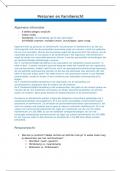
Overall: aimed to neutralise the threat posed by the nobility, but not key mechanism/ vehicle for establishing/ consolidating royal authority.
Paragraph 1: Establishment of authority in the localities/ regional governance Paragraph 2: Securing kingship + dynasty (succession + pretenders to the throne)
North: Henry relied on the Earl of Northumberland to neutralise Richard Risings and pretenders: Henry relied on the nobility to quell rebellions +
III’s power base in Yorkshire during the 1487 Battle of Stoke Field. After neutralise pretenders to the throne: Earl of Oxford at the 1487 Battle of
Northumberland’s death in 1489, Earl of Surrey (Thomas Howard) Stoke Field, Earl of Surrey in 1489 to quash the Yorkshire rising, and Lord
presided over law and order in the North, and quelled the Yorkshire rising. Daubeney in 1497 to contain the Cornish Rebellion (and secure capture of
Nucleus of the Howard estates subsequently returned. Control here is Perkin Warbeck). Without control of the nobility, then, unable to establish
through Acts of Attainder: Howards was attainted in 1486, but return of kingship.
estates contingent on loyalty to Henry VIII. Control of the nobility ensured that the succession was unchallenged:
Wales: Henry relied on Jasper Tudor to govern Wales (Arthur appointed there were concerns that the Duke of Buckingham and Edmund de la Pole
as nominal head in 1493). Unlike his predecessors, Henry selected his would challenge HVIII’s accession in 1509, but no opposition materialised.
appointees to the Council of the North – Northumberland then Surrey.
Henry was unable to divide the country into spheres of influence, with BUT nimble-footed diplomacy allowed HVII to secure expulsion of
each controlled by a trusted magnate. Magnate influence was largely pretenders from hostile countries – where they posed the greatest threat.
confined to the North; elsewhere, forced to rely on those without the E.g. 1489 Treaty of Medina del Campo stipulated that neither Spain nor
resources of great magnates, e.g. Earl of Oxford (Stoke Field) and Lord England would harbour pretenders, 1492 Treaty of Etaples secured
Daubeney (Scotland + Cornish Rebellion). In other regions, forced to rely extradition of Perkin Warbeck, and the expulsion of Warbeck from
on those in whom he placed little faith, e.g. the Marquis of Dorset – Scotland followed the 1497 Truce of Ayton.
demonstrated by employment of a spying network. These nobles did not Treaties/ foreign agreements were more instrumental to earning Henry
establish royal authority, then, as somewhat divorced from the Crown. dynastic recognition: Treaty of Perpetual Peace (1502) secured marriage
Although the localities were largely governed by the nobility, the between James and Margaret, and the 1506 Treaty of Windsor had laid
establishment of authority achieved through JPs. Henry improved the foundations for marriage between Henry VIII and Catherine of Aragon.
system bequeathed to him (demonstrates that he viewed JPs as a The 1489 Treaty of Medina del Campo earned Henry the dynastic
valuable mechanism to enforce law and order), widening the scope of JPs recognition of Europe’s foremost major power – Spain/ Ferdinand.
responsibilities: in 1487 they could grant bail to those awaiting trial, and
in 1495 could replace members of juries – dispensed/ administered law Mini-judgement: pretenders to the throne posed a greater threat when harboured
and order/ justice. Average of 18 JPs per county in order to temper the by foreign leaders. Henry’s pragmatism in foreign policy secured expulsion rather
power of the nobility. than control of the nobility. Henry had established right to rule/ conferred
legitimacy on his reign through foreign agreements.
Mini-judgement: Magnate influence was largely confined to the North. Henry
controlled the nobility (e.g. spying network) largely to mitigate as threat/ ensure
they were not usurping royal authority rather than harnessing their influence to
bolster royal authority in the localities. Rather, power was transferred from great
magnates and sheriffs to JPs and the second rank of the county’s landowners,
who were relied on to dispense justice and maintain law and order.
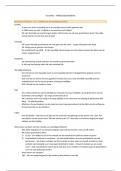
Overall: aimed to neutralise the threat posed by the nobility, but not key mechanism/ vehicle for establishing/ consolidating royal authority.
Paragraph 1: Establishment of authority in the localities/ regional governance Paragraph 2: Securing kingship + dynasty (succession + pretenders to the throne)
North: Henry relied on the Earl of Northumberland to neutralise Richard Risings and pretenders: Henry relied on the nobility to quell rebellions +
III’s power base in Yorkshire during the 1487 Battle of Stoke Field. After neutralise pretenders to the throne: Earl of Oxford at the 1487 Battle of
Northumberland’s death in 1489, Earl of Surrey (Thomas Howard) Stoke Field, Earl of Surrey in 1489 to quash the Yorkshire rising, and Lord
presided over law and order in the North, and quelled the Yorkshire rising. Daubeney in 1497 to contain the Cornish Rebellion (and secure capture of
Nucleus of the Howard estates subsequently returned. Control here is Perkin Warbeck). Without control of the nobility, then, unable to establish
through Acts of Attainder: Howards was attainted in 1486, but return of kingship.
estates contingent on loyalty to Henry VIII. Control of the nobility ensured that the succession was unchallenged:
Wales: Henry relied on Jasper Tudor to govern Wales (Arthur appointed there were concerns that the Duke of Buckingham and Edmund de la Pole
as nominal head in 1493). Unlike his predecessors, Henry selected his would challenge HVIII’s accession in 1509, but no opposition materialised.
appointees to the Council of the North – Northumberland then Surrey.
Henry was unable to divide the country into spheres of influence, with BUT nimble-footed diplomacy allowed HVII to secure expulsion of
each controlled by a trusted magnate. Magnate influence was largely pretenders from hostile countries – where they posed the greatest threat.
confined to the North; elsewhere, forced to rely on those without the E.g. 1489 Treaty of Medina del Campo stipulated that neither Spain nor
resources of great magnates, e.g. Earl of Oxford (Stoke Field) and Lord England would harbour pretenders, 1492 Treaty of Etaples secured
Daubeney (Scotland + Cornish Rebellion). In other regions, forced to rely extradition of Perkin Warbeck, and the expulsion of Warbeck from
on those in whom he placed little faith, e.g. the Marquis of Dorset – Scotland followed the 1497 Truce of Ayton.
demonstrated by employment of a spying network. These nobles did not Treaties/ foreign agreements were more instrumental to earning Henry
establish royal authority, then, as somewhat divorced from the Crown. dynastic recognition: Treaty of Perpetual Peace (1502) secured marriage
Although the localities were largely governed by the nobility, the between James and Margaret, and the 1506 Treaty of Windsor had laid
establishment of authority achieved through JPs. Henry improved the foundations for marriage between Henry VIII and Catherine of Aragon.
system bequeathed to him (demonstrates that he viewed JPs as a The 1489 Treaty of Medina del Campo earned Henry the dynastic
valuable mechanism to enforce law and order), widening the scope of JPs recognition of Europe’s foremost major power – Spain/ Ferdinand.
responsibilities: in 1487 they could grant bail to those awaiting trial, and
in 1495 could replace members of juries – dispensed/ administered law Mini-judgement: pretenders to the throne posed a greater threat when harboured
and order/ justice. Average of 18 JPs per county in order to temper the by foreign leaders. Henry’s pragmatism in foreign policy secured expulsion rather
power of the nobility. than control of the nobility. Henry had established right to rule/ conferred
legitimacy on his reign through foreign agreements.
Mini-judgement: Magnate influence was largely confined to the North. Henry
controlled the nobility (e.g. spying network) largely to mitigate as threat/ ensure
they were not usurping royal authority rather than harnessing their influence to
bolster royal authority in the localities. Rather, power was transferred from great
magnates and sheriffs to JPs and the second rank of the county’s landowners,
who were relied on to dispense justice and maintain law and order.