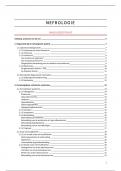
Inhoudsopgave
Week 1.......................................................................................................................................................... 2
article 1 NMC - Introduction to privacy online - Joseph B. Walther......................................................................3
Artikel 2 Bazarova 🡪 Self-disclosure in social media SNS= social network sites (aka every digital site) - Barbara .4
Article 3 “the role of privacy fatigue in online privacy behavior”.........................................................................6
Article 4 ‘Dienlin T, is the privacy paradox…’........................................................................................................8
Week 2........................................................................................................................................................ 11
Article 1 ‘social media and online hate’ Joseph B Walter...................................................................................11
Article 2 ‘Dark Participation’...............................................................................................................................13
Article 3: Roots of Incivility: How Personality, Media Use, and Online Experiences Shape Uncivil Participation
............................................................................................................................................................................14
Article 4’ SOCIAL MEDIA MODERATION The Best-Kept Secret in Tech’..............................................................16
Article 5 ‘Can democracy survive the internet? - Nathaniel Persily’...................................................................18
Article 6 ‘Harvesting your soul? Cambridge Analytica and Brexit – Risso (2018)’..............................................20
Article 7 ‘Computerbased personality judgements more accurate then human’ Wouyou, W., Kosinski, M. and
Stillwell, D. (2015)...............................................................................................................................................22
WEEK 3........................................................................................................................................................ 23
Article 1: Strategic political communication in election campaigns...................................................................23
Article 2: The paranoid style of election perception of integrity by Norris, Pippa, Garnett and Gromping.......27
Article 3: The Cognitive and Emotional Sources of Trump Support The Case of Low-Information Voters, New
Political Science, 394, 670-686.pdf.....................................................................................................................28
Article 4 Polarization, Partisanship and Junk News Consumption over Social Media in the US.........................31
Articlel 5 ‘Political extremism predicts belief in conspiracy theories. Social Psychological and Personality
science’................................................................................................................................................................32
Artikel 6 ‘Psychological features of extreme political ideologies. Current directions in psychological science’.33
WEEK 4........................................................................................................................................................ 35
Article 1 ‘Populism, extremism and media – mapping an uncertain terrain’.....................................................35
Article 2 ‘Populist Gullibility: Conspiracy Theories, News Credibility, Bullshit receptivity and paranormal Belief.
............................................................................................................................................................................36
Article 3 ‘Social norms a review. Review of Communication Research’.............................................................40
Article 4 ‘Behavioral contagion on Social media Effects of Social Norms, Design Intervention, and Critical
Media Literacy on Self- Disclosure......................................................................................................................44
WEEK 5........................................................................................................................................................ 50
Article 1: Developing social media literacy: Livingstone.....................................................................................50
1
, Article 2: Introducing the Social Media Literacy (SMILE) model with the case of the positivity bias on social
media..................................................................................................................................................................51
Article 3: A review of recent research in social robotics.....................................................................................53
Article 4: Social Engagement with Robots and Agents.......................................................................................55
Article 5: The Robot Made Me Do it....................................................................................................................56
Article 6: Unfair and Deceptive Robots...............................................................................................................57
WEEK 6........................................................................................................................................................ 61
Article 1: Causes, effects, and practicalities of everyday multitasking...............................................................61
Article 2: Efficient, helpful, or distracting? A literature review of media multitasking in relation to academic
performance........................................................................................................................................................63
Article 3: Do not study for test............................................................................................................................65
Article 4: Psychological approaches to credibility assessment online................................................................68
Article 5: Credibility and trust of information in online environments the use of cognitive heuristics...............71
Article 6: The curious case of cyberchondria a longitudinal study on the reciprocal relationship between
health anxiety and online healt information seeking.........................................................................................75
WEEK 7........................................................................................................................................................ 77
Article 1: ‘Examining the hostile media effect as an intergroup phenomenon. The role of ingroup identification
and status...........................................................................................................................................................77
Article 2: We are the people and you are fake news A social identity approach to populist citizens’ false
consensus and hostile media perceptions...........................................................................................................79
Article 3: Misinformation and its correction continued influence and successful debiasing. Psychological
science in the public interest...............................................................................................................................82
WEEK 1
2
,ARTICLE 1 NMC - INTRODUCTION TO PRIVACY ONLINE - JOSEPH B. WALTHER
Before and after the arriving of the internet and social media tensions existed between users' desires to
communicate online in very personal ways and their assumptions that their disclosures would or should be
treated as privileged and private.
The more users disclose of themselves, the more they may enjoy the benefits these systems have to offer. At
the same time, the more they disclose, the more they risk what they themselves consider breaches of their
privacy.
There are 3 factors confronting users of online systems:
1. A misplaced presumption that online behavior is private
2. That the nature of the Internet at a mechanical level is quite incommensurate with privacy
3. That one’s expectation of privacy does not constitute privileged communication by definition.
Perhaps it is due to the analogous offline activities which online communication resembles or replaces, that
many users of the internet notoriously post information online which they do not anticipate will be seen by
others than the specific group they imagined when posting.
But the Internet is, at its root, a store-and-forward technology. That is, in order for the Internet to work as it
does it must be able to capture, retain, and transmit the information which users enter into it. Yet many
Internet users fail to realize that something once put online more or less stays online and may be retrieved by
others and replicated, despite the subsequent inclination or efforts of the original poster to protect or remove
it.
“Sharability” among the characteristics is defining social media.
For instance, you can retweet a tweet on Twitter of someone else to audiences unintended by the original
source. Thus, the messages are in the public domain.
Educating users about their online footprints seems to be a more promising objective than to change laws or
admonish researchers and other viewers to behave differently with respect to online information.
However, then as now such intimacy comes at jeopardy of privacy for contemporary users of social media.
These risks can be mitigated to some extent by restrictions on friendship behavior, privacy settings, and
disclosures.
3
, ARTIKEL 2 BAZAROVA 🡪 SELF-DISCLOSURE IN SOCIAL MEDIA SNS= SOCIAL NETWORK
SITES (AKA EVERY DIGITAL SITE) - BARBARA
Public disclosures vs traditional understanding of public disclosures
Self-disclosure is the act of revealing personal information to others by communicating through verbal
behaviors describing feelings, experiences. Disclosure decisions and strategies reflect a balance of conflicting
needs aimed at maximizing strategic rewards and minimizing personal risks (je bepaalt immers zelf welke info
je deelt).
SNS-users broadcast information all over.
Dyadic context: twee
Functional approach of self-disclosure
Disclosure goals or subjective reasons for self-disclosing activate disclosure decision-making process and shape
its content.
Sources of value that hoped to attain through self-disclosure:
1. social validation
2. self-expression
3. relational development
4. identity clarification
5. social control
Functional model of self-disclosure on SNS
Social media affordances reflect users’ perceptions of media utility in supporting social practices with four
kinds:
Data permanence
Communal visibility of social information and communication
Message edibility
Associations between individuals
Imagined audience: mensen van wie je denkt dat ze deelmaken van jouw publiek. Mensen waarvan je niet
weet wie ze zijn (zijn er meer dan je denkt).
Visability: Speelt een rol, is het publiekelijke zichtbaar of een-op-een zoals een privébericht
Directedness:
Directed: gericht op één iemand, plaatsen van een bericht specifiek getarget
Non directed: gericht op massapubliek, zoals een statusupdate
4
Week 1.......................................................................................................................................................... 2
article 1 NMC - Introduction to privacy online - Joseph B. Walther......................................................................3
Artikel 2 Bazarova 🡪 Self-disclosure in social media SNS= social network sites (aka every digital site) - Barbara .4
Article 3 “the role of privacy fatigue in online privacy behavior”.........................................................................6
Article 4 ‘Dienlin T, is the privacy paradox…’........................................................................................................8
Week 2........................................................................................................................................................ 11
Article 1 ‘social media and online hate’ Joseph B Walter...................................................................................11
Article 2 ‘Dark Participation’...............................................................................................................................13
Article 3: Roots of Incivility: How Personality, Media Use, and Online Experiences Shape Uncivil Participation
............................................................................................................................................................................14
Article 4’ SOCIAL MEDIA MODERATION The Best-Kept Secret in Tech’..............................................................16
Article 5 ‘Can democracy survive the internet? - Nathaniel Persily’...................................................................18
Article 6 ‘Harvesting your soul? Cambridge Analytica and Brexit – Risso (2018)’..............................................20
Article 7 ‘Computerbased personality judgements more accurate then human’ Wouyou, W., Kosinski, M. and
Stillwell, D. (2015)...............................................................................................................................................22
WEEK 3........................................................................................................................................................ 23
Article 1: Strategic political communication in election campaigns...................................................................23
Article 2: The paranoid style of election perception of integrity by Norris, Pippa, Garnett and Gromping.......27
Article 3: The Cognitive and Emotional Sources of Trump Support The Case of Low-Information Voters, New
Political Science, 394, 670-686.pdf.....................................................................................................................28
Article 4 Polarization, Partisanship and Junk News Consumption over Social Media in the US.........................31
Articlel 5 ‘Political extremism predicts belief in conspiracy theories. Social Psychological and Personality
science’................................................................................................................................................................32
Artikel 6 ‘Psychological features of extreme political ideologies. Current directions in psychological science’.33
WEEK 4........................................................................................................................................................ 35
Article 1 ‘Populism, extremism and media – mapping an uncertain terrain’.....................................................35
Article 2 ‘Populist Gullibility: Conspiracy Theories, News Credibility, Bullshit receptivity and paranormal Belief.
............................................................................................................................................................................36
Article 3 ‘Social norms a review. Review of Communication Research’.............................................................40
Article 4 ‘Behavioral contagion on Social media Effects of Social Norms, Design Intervention, and Critical
Media Literacy on Self- Disclosure......................................................................................................................44
WEEK 5........................................................................................................................................................ 50
Article 1: Developing social media literacy: Livingstone.....................................................................................50
1
, Article 2: Introducing the Social Media Literacy (SMILE) model with the case of the positivity bias on social
media..................................................................................................................................................................51
Article 3: A review of recent research in social robotics.....................................................................................53
Article 4: Social Engagement with Robots and Agents.......................................................................................55
Article 5: The Robot Made Me Do it....................................................................................................................56
Article 6: Unfair and Deceptive Robots...............................................................................................................57
WEEK 6........................................................................................................................................................ 61
Article 1: Causes, effects, and practicalities of everyday multitasking...............................................................61
Article 2: Efficient, helpful, or distracting? A literature review of media multitasking in relation to academic
performance........................................................................................................................................................63
Article 3: Do not study for test............................................................................................................................65
Article 4: Psychological approaches to credibility assessment online................................................................68
Article 5: Credibility and trust of information in online environments the use of cognitive heuristics...............71
Article 6: The curious case of cyberchondria a longitudinal study on the reciprocal relationship between
health anxiety and online healt information seeking.........................................................................................75
WEEK 7........................................................................................................................................................ 77
Article 1: ‘Examining the hostile media effect as an intergroup phenomenon. The role of ingroup identification
and status...........................................................................................................................................................77
Article 2: We are the people and you are fake news A social identity approach to populist citizens’ false
consensus and hostile media perceptions...........................................................................................................79
Article 3: Misinformation and its correction continued influence and successful debiasing. Psychological
science in the public interest...............................................................................................................................82
WEEK 1
2
,ARTICLE 1 NMC - INTRODUCTION TO PRIVACY ONLINE - JOSEPH B. WALTHER
Before and after the arriving of the internet and social media tensions existed between users' desires to
communicate online in very personal ways and their assumptions that their disclosures would or should be
treated as privileged and private.
The more users disclose of themselves, the more they may enjoy the benefits these systems have to offer. At
the same time, the more they disclose, the more they risk what they themselves consider breaches of their
privacy.
There are 3 factors confronting users of online systems:
1. A misplaced presumption that online behavior is private
2. That the nature of the Internet at a mechanical level is quite incommensurate with privacy
3. That one’s expectation of privacy does not constitute privileged communication by definition.
Perhaps it is due to the analogous offline activities which online communication resembles or replaces, that
many users of the internet notoriously post information online which they do not anticipate will be seen by
others than the specific group they imagined when posting.
But the Internet is, at its root, a store-and-forward technology. That is, in order for the Internet to work as it
does it must be able to capture, retain, and transmit the information which users enter into it. Yet many
Internet users fail to realize that something once put online more or less stays online and may be retrieved by
others and replicated, despite the subsequent inclination or efforts of the original poster to protect or remove
it.
“Sharability” among the characteristics is defining social media.
For instance, you can retweet a tweet on Twitter of someone else to audiences unintended by the original
source. Thus, the messages are in the public domain.
Educating users about their online footprints seems to be a more promising objective than to change laws or
admonish researchers and other viewers to behave differently with respect to online information.
However, then as now such intimacy comes at jeopardy of privacy for contemporary users of social media.
These risks can be mitigated to some extent by restrictions on friendship behavior, privacy settings, and
disclosures.
3
, ARTIKEL 2 BAZAROVA 🡪 SELF-DISCLOSURE IN SOCIAL MEDIA SNS= SOCIAL NETWORK
SITES (AKA EVERY DIGITAL SITE) - BARBARA
Public disclosures vs traditional understanding of public disclosures
Self-disclosure is the act of revealing personal information to others by communicating through verbal
behaviors describing feelings, experiences. Disclosure decisions and strategies reflect a balance of conflicting
needs aimed at maximizing strategic rewards and minimizing personal risks (je bepaalt immers zelf welke info
je deelt).
SNS-users broadcast information all over.
Dyadic context: twee
Functional approach of self-disclosure
Disclosure goals or subjective reasons for self-disclosing activate disclosure decision-making process and shape
its content.
Sources of value that hoped to attain through self-disclosure:
1. social validation
2. self-expression
3. relational development
4. identity clarification
5. social control
Functional model of self-disclosure on SNS
Social media affordances reflect users’ perceptions of media utility in supporting social practices with four
kinds:
Data permanence
Communal visibility of social information and communication
Message edibility
Associations between individuals
Imagined audience: mensen van wie je denkt dat ze deelmaken van jouw publiek. Mensen waarvan je niet
weet wie ze zijn (zijn er meer dan je denkt).
Visability: Speelt een rol, is het publiekelijke zichtbaar of een-op-een zoals een privébericht
Directedness:
Directed: gericht op één iemand, plaatsen van een bericht specifiek getarget
Non directed: gericht op massapubliek, zoals een statusupdate
4