HART-DWORKIN DEBATE
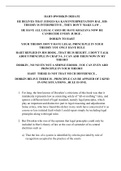
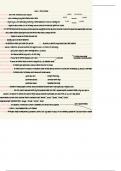
HE BELIVES THAT JUDGES KA KAM INTERPRETATION HAI , HIS
THEORY IS INTERPRETIVE , THEY DON’T MAKE LAW .
HE HAVE ALL LEGAL CASES HE HAVE KHAZANA NOW HE
CANDECIDE EVERY JUDGE .
DORKIN TO HART
YOUR THEORY DON’T HAVE LEGAL PRINCILPLE IN YOUR
THEORY YOU ONLY HAVE RULE
HART REPLIED IN HIS BOOK , THAT HE IS REIGHT , I DON’T TALK
ABOUT PRINCIPLE IN CHAP 5 6 , I CAN ADD THEM NOW IN MY
THEORY
DORKIN , NO NO ITS NOT A SIMPLE EROOR , YOU CAN EVEN ADD
PRINCIPLE IN YOUR THEORY
HART THERE IS NOT THAT MUCH DIFFERNECE ,
DORKIN BELIVE THERE IS , PRINCIPLE CAN BE APPLIED OF 2 KIND
IN ONE SITUATIONS , RULE IS ONE.
1. For long, the best known of Dworkin’s criticisms of this book was that it
mistakenly represents law as consisting solely of “all-or-nothing” rules, and
ignores a different kind of legal standard, namely legal principles, which
play an important and distinctive part in legal reasoning and adjudication.
Some critics, who have found this defect in my work have conceived of it as
a more or less isolated fault which I could repair simply by including legal
principles along with legal rules
2. But Dworkin who was of the opinion that legal principles could only be
included in Hart’s theory of law at the cost of surrender of its central
doctrines such as
a) That the law of a system is identified by criteria provided by rule of
recognition accepted in the practice of the courts
HE BELIVES THAT JUDGES KA KAM INTERPRETATION HAI , HIS
THEORY IS INTERPRETIVE , THEY DON’T MAKE LAW .
HE HAVE ALL LEGAL CASES HE HAVE KHAZANA NOW HE
CANDECIDE EVERY JUDGE .
DORKIN TO HART
YOUR THEORY DON’T HAVE LEGAL PRINCILPLE IN YOUR
THEORY YOU ONLY HAVE RULE
HART REPLIED IN HIS BOOK , THAT HE IS REIGHT , I DON’T TALK
ABOUT PRINCIPLE IN CHAP 5 6 , I CAN ADD THEM NOW IN MY
THEORY
DORKIN , NO NO ITS NOT A SIMPLE EROOR , YOU CAN EVEN ADD
PRINCIPLE IN YOUR THEORY
HART THERE IS NOT THAT MUCH DIFFERNECE ,
DORKIN BELIVE THERE IS , PRINCIPLE CAN BE APPLIED OF 2 KIND
IN ONE SITUATIONS , RULE IS ONE.
1. For long, the best known of Dworkin’s criticisms of this book was that it
mistakenly represents law as consisting solely of “all-or-nothing” rules, and
ignores a different kind of legal standard, namely legal principles, which
play an important and distinctive part in legal reasoning and adjudication.
Some critics, who have found this defect in my work have conceived of it as
a more or less isolated fault which I could repair simply by including legal
principles along with legal rules
2. But Dworkin who was of the opinion that legal principles could only be
included in Hart’s theory of law at the cost of surrender of its central
doctrines such as
a) That the law of a system is identified by criteria provided by rule of
recognition accepted in the practice of the courts