PART D
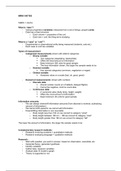
,Week 12
Buzeta, C. De Pelsmacker, P., & Dens, N. (2020). Motivations to use different social media types and
their impact on consumers' online brand-related activities (COBRAs).
Empowered consumers are connected (versus atomised), active (versus passive) and informed
(versus ignorant).
User generated content is content produced and uploaded by consumers rather than
companies. Much UGC is brand-related and has the potential to shape consumer brand conception
Three stages of engagement with increasing involvement and interaction with brand - related
content:
Online brand - related consumption
- it benefits brand awareness and fan acquisition
- e.g. viewing a brand - related video, reading product reviews
Brand - related contribution
- refers to activities with a moderate engagement level, where consumers respond to
branded stimuli by their peers or the brand.
- medium engagement level - generating reach or impressions. Provoking an active
brand - related response that increases the organic reach of a campaign (contribution &
creation)
- e.g. rating products, engaging in brand related conversations
Brand - related creation
- includes content that is (co-)created by consumers, and that may stimulate further
consumption and contribution by other peers
- high engagement level: provoking an active brand - related response that increases
the organic reach of a campaign (contribution & creation)
- e.g. writing a brand - related article, uploading user-generated brand - related video
The uses and gratification theory by McQuail
- people actively seek out particular media and content for specific uses and to achieve
particular gratifications (or results)
,Six U&G categories are driving motivations of individuals' use of social media platforms:
1. Entertainment
- the emotional relief generated by temporarily recreating or recessing from daily
routines
- Escaping or being diverted from problems or routine. Emotional release or relief/
relaxation, cultural or aesthetic enjoyment/ passing time, having fun, and playing.
2. Integration and social interaction
- the users' feeling of connection (to an online community, for instance) that enables them
to increase their knowledge about other people's circumstances and augment individuals'
socialising capabilities.
- The sense of belonging (e.g., connectedness),the supportive peer groups (e.g.,
bandwagon),and the enhanced interpersonal connections associated with media usage (e.g.,
community building).
3. Personal identity
- the need for shaping one's identity by providing an image of one's personality and by
receiving peer recognition.
- Self-expression, social recognition, self-presentation, self-assurance.
4. Information
- individuals' understanding of relevant events and conditions in the world around.
- Information seeking, information sharing, obtaining communicatory utility, gaining social
information, surveillance (i.e.,knowledge about others), and self-documentation (i.e., lifelogging).
5. Remuneration
- users' intention to obtain some future benefit or external reward that basically stands
apart from the behavior.
- Obtaining economic incentives (e.g., gaining direct discounts and coupons, accessing sales
promotions, taking part in competitions), job-related benefits, or personal wants (e.g., specific
software).
6. Empowerment
- individuals' purpose of exerting their influence or power on others' perceptions (e.g.,
consumers, companies, brands), by voicing their opinions and by demanding improvements in
products, services, and corporate policies.
- Attempts to influence institutions, companies,or other social media users. Exertions to
enforce service excellence and accuracy.
, The Moderating Effect of Social Media Type
- The term 'social media' is often used as an umbrella concept that disregards differences
between types. Each social media platform has been designed and tailored for different
purposes and target groups.
Types of social media platform
One of the main contributions of this paper. Instead of looking at social media as one entity,
they classified social media upon two dimensions:
Platform effect
* Level of customisation of messages
L
customised (e.g. Facebook & reddit) vs Broadcast (e.g. instagram & Youtube)
* Nature of connections
L>
Content based ( e.g. Reddit & YouTube) vs profile based (e.g. facebook & Instagram)
Combining these two characteristics leads to four types of social media platforms:
- relationship: profile based platforms, with customised messages
- self - media: profile based platforms, with broadcast messages
- collaboration: content based platforms, with customised messages
- creative outlet: content based platforms, with broadcast messages
Motives for COBRAS - profile based platforms
Consuming Entertainment, remuneration, empowerment
Contributing Remuneration, empowerment
Creating Remuneration, empowerment
Motives for COBRAS - content based platforms
Consuming Information, remuneration, empowerment
Contributing Integration and social interaction, empowerment
Creating Remuneration, empowerment
Motives for COBRAS - platforms using customised messages
Consuming Entertainment, integrations and social interaction, information,
remuneration, empowerment
Contributing Integration and social interaction, empowerment
Creating ( - ) Integration and social interaction, remuneration, empowerment
Motives for COBRAS - platforms using broadcast messages
Consuming Entertainment, integration and social interaction, information,
remuneration, empowerment
Contributing Remuneration, empowerment
Creating Remuneration, empowerment
,Week 12
Buzeta, C. De Pelsmacker, P., & Dens, N. (2020). Motivations to use different social media types and
their impact on consumers' online brand-related activities (COBRAs).
Empowered consumers are connected (versus atomised), active (versus passive) and informed
(versus ignorant).
User generated content is content produced and uploaded by consumers rather than
companies. Much UGC is brand-related and has the potential to shape consumer brand conception
Three stages of engagement with increasing involvement and interaction with brand - related
content:
Online brand - related consumption
- it benefits brand awareness and fan acquisition
- e.g. viewing a brand - related video, reading product reviews
Brand - related contribution
- refers to activities with a moderate engagement level, where consumers respond to
branded stimuli by their peers or the brand.
- medium engagement level - generating reach or impressions. Provoking an active
brand - related response that increases the organic reach of a campaign (contribution &
creation)
- e.g. rating products, engaging in brand related conversations
Brand - related creation
- includes content that is (co-)created by consumers, and that may stimulate further
consumption and contribution by other peers
- high engagement level: provoking an active brand - related response that increases
the organic reach of a campaign (contribution & creation)
- e.g. writing a brand - related article, uploading user-generated brand - related video
The uses and gratification theory by McQuail
- people actively seek out particular media and content for specific uses and to achieve
particular gratifications (or results)
,Six U&G categories are driving motivations of individuals' use of social media platforms:
1. Entertainment
- the emotional relief generated by temporarily recreating or recessing from daily
routines
- Escaping or being diverted from problems or routine. Emotional release or relief/
relaxation, cultural or aesthetic enjoyment/ passing time, having fun, and playing.
2. Integration and social interaction
- the users' feeling of connection (to an online community, for instance) that enables them
to increase their knowledge about other people's circumstances and augment individuals'
socialising capabilities.
- The sense of belonging (e.g., connectedness),the supportive peer groups (e.g.,
bandwagon),and the enhanced interpersonal connections associated with media usage (e.g.,
community building).
3. Personal identity
- the need for shaping one's identity by providing an image of one's personality and by
receiving peer recognition.
- Self-expression, social recognition, self-presentation, self-assurance.
4. Information
- individuals' understanding of relevant events and conditions in the world around.
- Information seeking, information sharing, obtaining communicatory utility, gaining social
information, surveillance (i.e.,knowledge about others), and self-documentation (i.e., lifelogging).
5. Remuneration
- users' intention to obtain some future benefit or external reward that basically stands
apart from the behavior.
- Obtaining economic incentives (e.g., gaining direct discounts and coupons, accessing sales
promotions, taking part in competitions), job-related benefits, or personal wants (e.g., specific
software).
6. Empowerment
- individuals' purpose of exerting their influence or power on others' perceptions (e.g.,
consumers, companies, brands), by voicing their opinions and by demanding improvements in
products, services, and corporate policies.
- Attempts to influence institutions, companies,or other social media users. Exertions to
enforce service excellence and accuracy.
, The Moderating Effect of Social Media Type
- The term 'social media' is often used as an umbrella concept that disregards differences
between types. Each social media platform has been designed and tailored for different
purposes and target groups.
Types of social media platform
One of the main contributions of this paper. Instead of looking at social media as one entity,
they classified social media upon two dimensions:
Platform effect
* Level of customisation of messages
L
customised (e.g. Facebook & reddit) vs Broadcast (e.g. instagram & Youtube)
* Nature of connections
L>
Content based ( e.g. Reddit & YouTube) vs profile based (e.g. facebook & Instagram)
Combining these two characteristics leads to four types of social media platforms:
- relationship: profile based platforms, with customised messages
- self - media: profile based platforms, with broadcast messages
- collaboration: content based platforms, with customised messages
- creative outlet: content based platforms, with broadcast messages
Motives for COBRAS - profile based platforms
Consuming Entertainment, remuneration, empowerment
Contributing Remuneration, empowerment
Creating Remuneration, empowerment
Motives for COBRAS - content based platforms
Consuming Information, remuneration, empowerment
Contributing Integration and social interaction, empowerment
Creating Remuneration, empowerment
Motives for COBRAS - platforms using customised messages
Consuming Entertainment, integrations and social interaction, information,
remuneration, empowerment
Contributing Integration and social interaction, empowerment
Creating ( - ) Integration and social interaction, remuneration, empowerment
Motives for COBRAS - platforms using broadcast messages
Consuming Entertainment, integration and social interaction, information,
remuneration, empowerment
Contributing Remuneration, empowerment
Creating Remuneration, empowerment