II. Types of Biological Molecules
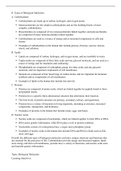
A. Carbohydrates
Carbohydrates are made up of carbon, hydrogen, and oxygen atoms.
Monosaccharides are the simplest carbohydrates and are the building blocks of more
complex carbohydrates.
Disaccharides are composed of two monosaccharides linked together, and polysaccharides
are composed of many monosaccharides linked together.
Carbohydrates are used as a source of energy and as structural components in cells and
tissues.
Examples of carbohydrates in the human diet include glucose, fructose, sucrose, lactose,
starch, and cellulose.
B. Lipids
Lipids are composed of carbon, hydrogen, and oxygen atoms, and are insoluble in water.
Triglycerides are composed of three fatty acids and one glycerol molecule, and are used as a
source of energy and for insulation and cushioning.
Phospholipids are composed of a phosphate group, two fatty acids, and one glycerol
molecule, and are important components of cell membranes.
Steroids are composed of four fused rings of carbon atoms, and are important for hormone
synthesis and as components of cell membranes.
Examples of lipids in the human diet include fats and oils.
C. Proteins
Proteins are composed of amino acids, which are linked together by peptide bonds to form
polypeptide chains.
Proteins have a specific three-dimensional structure that determines their function.
The four levels of protein structure are primary, secondary, tertiary, and quaternary.
Proteins have a variety of functions in living organisms, including as enzymes, structural
components, transporters, and hormones.
Examples of proteins in the human diet include meats, eggs, and beans.
D. Nucleic Acids
Nucleic acids are composed of nucleotides, which are linked together to form DNA or RNA.
DNA stores genetic information, while RNA plays a role in protein synthesis.
Nucleotides consist of a nitrogenous base, a sugar, and a phosphate group.
Examples of nucleic acids in the human diet include DNA and RNA in foods such as fish,
meat, and eggs.
Overall, the different types of biological molecules each have unique structures and functions that
are essential for the processes of life. Carbohydrates provide energy and structural support, lipids
store energy and form cell membranes, proteins have a variety of functions, and nucleic acids store
and transmit genetic information.
Topic: Biological Molecules
Learning objectives:
, Define and explain the different types of biological molecules
Explain the importance of water in biological systems
Explain the role of enzymes in metabolic reactions
I. Introduction
Definition of biological molecules
Importance of biological molecules in living organisms
II. Types of Biological Molecules A. Carbohydrates
Definition and structure of monosaccharides, disaccharides, and polysaccharides
Function of carbohydrates in living organisms
Examples of carbohydrates in the human diet
B. Lipids
Definition and structure of triglycerides, phospholipids, and steroids
Function of lipids in living organisms
Examples of lipids in the human diet
C. Proteins
Definition and structure of amino acids and polypeptides
Primary, secondary, tertiary, and quaternary protein structures
Function of proteins in living organisms
Examples of proteins in the human diet
D. Nucleic Acids
Definition and structure of nucleotides and DNA/RNA
Function of nucleic acids in living organisms
Examples of nucleic acids in the human diet
III. Water
Definition and properties of water
Importance of water in biological systems
Role of water in metabolic reactions
IV. Enzymes
Definition and properties of enzymes
Importance of enzymes in metabolic reactions
Mechanisms of enzyme action
Factors that affect enzyme activity
V. Conclusion
Summary of the different types of biological molecules and their functions
Importance of water and enzymes in living organisms
A. Carbohydrates
Carbohydrates are made up of carbon, hydrogen, and oxygen atoms.
Monosaccharides are the simplest carbohydrates and are the building blocks of more
complex carbohydrates.
Disaccharides are composed of two monosaccharides linked together, and polysaccharides
are composed of many monosaccharides linked together.
Carbohydrates are used as a source of energy and as structural components in cells and
tissues.
Examples of carbohydrates in the human diet include glucose, fructose, sucrose, lactose,
starch, and cellulose.
B. Lipids
Lipids are composed of carbon, hydrogen, and oxygen atoms, and are insoluble in water.
Triglycerides are composed of three fatty acids and one glycerol molecule, and are used as a
source of energy and for insulation and cushioning.
Phospholipids are composed of a phosphate group, two fatty acids, and one glycerol
molecule, and are important components of cell membranes.
Steroids are composed of four fused rings of carbon atoms, and are important for hormone
synthesis and as components of cell membranes.
Examples of lipids in the human diet include fats and oils.
C. Proteins
Proteins are composed of amino acids, which are linked together by peptide bonds to form
polypeptide chains.
Proteins have a specific three-dimensional structure that determines their function.
The four levels of protein structure are primary, secondary, tertiary, and quaternary.
Proteins have a variety of functions in living organisms, including as enzymes, structural
components, transporters, and hormones.
Examples of proteins in the human diet include meats, eggs, and beans.
D. Nucleic Acids
Nucleic acids are composed of nucleotides, which are linked together to form DNA or RNA.
DNA stores genetic information, while RNA plays a role in protein synthesis.
Nucleotides consist of a nitrogenous base, a sugar, and a phosphate group.
Examples of nucleic acids in the human diet include DNA and RNA in foods such as fish,
meat, and eggs.
Overall, the different types of biological molecules each have unique structures and functions that
are essential for the processes of life. Carbohydrates provide energy and structural support, lipids
store energy and form cell membranes, proteins have a variety of functions, and nucleic acids store
and transmit genetic information.
Topic: Biological Molecules
Learning objectives:
, Define and explain the different types of biological molecules
Explain the importance of water in biological systems
Explain the role of enzymes in metabolic reactions
I. Introduction
Definition of biological molecules
Importance of biological molecules in living organisms
II. Types of Biological Molecules A. Carbohydrates
Definition and structure of monosaccharides, disaccharides, and polysaccharides
Function of carbohydrates in living organisms
Examples of carbohydrates in the human diet
B. Lipids
Definition and structure of triglycerides, phospholipids, and steroids
Function of lipids in living organisms
Examples of lipids in the human diet
C. Proteins
Definition and structure of amino acids and polypeptides
Primary, secondary, tertiary, and quaternary protein structures
Function of proteins in living organisms
Examples of proteins in the human diet
D. Nucleic Acids
Definition and structure of nucleotides and DNA/RNA
Function of nucleic acids in living organisms
Examples of nucleic acids in the human diet
III. Water
Definition and properties of water
Importance of water in biological systems
Role of water in metabolic reactions
IV. Enzymes
Definition and properties of enzymes
Importance of enzymes in metabolic reactions
Mechanisms of enzyme action
Factors that affect enzyme activity
V. Conclusion
Summary of the different types of biological molecules and their functions
Importance of water and enzymes in living organisms