POST REVISIONIST BHASVIC Evaluation of Historical Work Proforma
STAGE ONE: Identification
Author/Historian Leffler. M
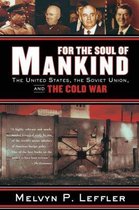
Work Title For the soul of mankind: The United States, the Soviet Union and the cold war
Publisher London: Farrar, Stratus and Giroux inc
Date of Publication 2007
Page Numbers used 12-82
Post-Revisionism
STAGE TWO: Summarising the Overarching Argument
Overarching The Cold War began due to the international climate, following the second world war of crisis and opportunity that
Argument was exacerbated through the lens of ideology and their individual beliefs shaped by internal and external influences.
Leaders were so entrenched within this ideology “that [when] there were lots of opportunities prior to 1980 to end the
cold war” they missed them
“This is a history of lost opportunity” ]
No leader of a powerful country was “in control of events”
H. W. BRANDS ‘Leffler poses his questions as to what the policymakers on the two sides of the Cold War
wanted, what influences constrained them, and why they selected the courses they did - in other words,
how they exercised power’
“Irreconcilability of definitions of self-interest ultimately lead to the disintegration of the coalition” From coalition to
rivalry: The Soviet Union and the United States, Leffler
Leffler doesn’t account for regime distinctions!!!!! – Gaddis’s argument, overlooks the importance of self giv, liberal
democracy/ liberal internationalism Truman was a liberal internationalist – containment policy + Stalin’s communist
totalitarianism - presents them as two equally (links to TOAD unvalanced) viable systems facing similar economic
challenges and just trying to guarantee security. Regimes define their ideology!!!!! – both states wanted peace –
however they have different definitions of it!!
- Focusing on the leaders is a flaw
In, from coalition to rivalry: the Soviet Union and the United States at the beginning of the war, Leffler states there are 5 key turning
points
1917 Bolshevik revl: established the ideological competition that underpinned all the cold war
May 1945: End of the war in Europe that left the red army occupying eastern Europe, + potential to consolidate influence in those
regions
Aug 1945: Development and employment of the atomic bomb which “invested the United States with a great sense of power” which
infused the soviet regime with a great sense of vulnerability
April/May/ June 1947: “the aspirational projection of American economic influence through the Marshall plan”, extending this
influence into both western Europe and eastern Europe, linked to Germany
1950: Korean war, made it a world struggle
Post Revisionist argument towards Orthodox according to Leffler
“Seem to gloss over American ideas and the actions they inspired” we now know response
“American officials and people held powerful beliefs about the superiority of their institutions, culture and race” They were
worried, “not only about the lessons of pearl harbour but that their own system of liberal capitalism might be endangered if a
powerful adversary with a contrasting way of life gained control and combined resources of Europe and Asia”. In terms of the
USSR “new documents will not answer such questions of the weight of ideas, beliefs, culture and ideology” “Ideology alone
does not dictate policy, nor does security (it’s intertwined).
“writing at the end of the cold war is not such an advantage as Gaddis says it is, if historians forget what the world was like half
a century ago”
Thoughts on Revisionism
“They demonstrate how eager US officials were to revive the structures of Capitalism in western Europe”
“Revisionist historians captures many of the ideas, aspirations, fears and beliefs that prompted the US initiatives around the
globe”
, STAGE THREE: Identifying and Evaluating Arguments
Please note: As you read through the chapter, you will notice the historian discusses a range of points/events/individuals and how they led to
the Cold War. Within your essay, you will discuss roughly three of these but sometimes more. It may be that they identify many more than this
within their chapter, but you won’t have time to discuss them all within your final work. Once you have identified the points made, provided
quotations, and evaluated
Point made by the historian Quotations/Paraphrasing Evaluation
S “The cold war came because conditions “Fear based on the international STRENGTHS WEAKNESSES
u in the international system created risks climate, drove American offensive” 64
b that Truman and Stalin couldn’t accept + “conditions in the international The end of the war resulted It could be argued that
- and opportunities, they couldn’t resist arena encouraged US officials to go in red army occupation in a Leffler somewhat
A “(these opportunities were based on on the diplomatic offensive 1947/48” lot of Eastern Europe – Nazi overstates the lurs of the
r defensive action) power vacuum international
g Economic and social turmoil in environment in the
“The Soviet Union was not acting causation of the cold
u Europe allowed both the USSR aggressively but it was consolidating Both the USSR and the USA
war, as individual actions
m and the US to extend their its influence in eastern Europe and emerged from the war as
are still fundamentally to
e influence over the region, manoeuvring to capitalize on the superpowers, whether it
blame; it exonerates the
n whether motivated by was from resources or
mounting unrest in west Europe” perpetrators and
t ideology, expansionism, manpower they had the
presents an optimistic
ability to exert their
( security, or a generosity, view that everyone was
“Precisely because the international influence
1 without this turmoil they ‘acting in the best
(militarily/economically), it
) wouldn’t have been put at environment was so fraught with risk, intentions’
destroyed the 19th century
odds with one another and precisely because the world order – they were
communists in Italy had a real chance both divulged as architects - Leffler however doesn’t
to win the elections scheduled for of the post war Europe want to over- emphasise
“configuration of power in the April 1948, Truman and Marshall the role of human
international system” typically presented pressed congress…to push a passage agency – he recognicses
a picture of impending threat to allied America’s boosted
of legislation supporting the Marshall the significance pf it
economy led to aspirations
security as well as tempting opportunities plan” 68 however he pits it in
of nationalism – indicated
to extend influence larger consellation of
with Truman’s address on
geo-political, social,
foreign policy oct 1946
“US officials weren’t motivated to act economic, ideological
Strategic defense through political and because Stalin was an evil dictator… and political
economic expansion but because of conditions in the “Diverging aspirations, crosscurrents
- The international system made needs, histories and Doesn’t specify what an
international system, and out of fear international system is –
up of post war reconstruction, ideologies turned to
that social turmoil unavoidable tensions” A Jeremi Suri
decolonizatipm, revolutionary and economic paralysis would play very short introduction to
nationalism into Communist hands” 63 the cold war, Robert J
- Though Gaddis argues that McMahon
Revisionist
communist thing was it was not the international climate
unpopular, Leffler shows that “The structure of the international but the domestic one that increased
system engendered fears and the American offensive action
hes jncorrect
opportunities” 79 - Role of the individuals
Eurasia was the greatest
must not be
economic asset, observed
understated: Truman +
expansion into it would put
“The lure of future victories in distant his administration
US on war footing as the
lands tempted Stalin, the fear of conditions of the war called
losses antagonised the US officials… into question the viability of
Soviet domination of Eurasia whether capitalism and increased the
achieved by armed aggression or by What about the role of individual lea
appeal to communism =
political subversion would be distinct threat
strategically and politically
unacceptable” In foreign policy Stalin
always balanced
“Stalin and Truman "could not do “opportunity and risk”
otherwise in an international order
that engendered so much fear and New technology +
opportunity” weaponry
He was acting like a Russian Tsar,
seeking every opportunity to enhance
the security and power of his
country”
“Nothing frightened the US policy
makers more than the economic and
social strife of the war
2 58
STAGE ONE: Identification
Author/Historian Leffler. M
Work Title For the soul of mankind: The United States, the Soviet Union and the cold war
Publisher London: Farrar, Stratus and Giroux inc
Date of Publication 2007
Page Numbers used 12-82
Post-Revisionism
STAGE TWO: Summarising the Overarching Argument
Overarching The Cold War began due to the international climate, following the second world war of crisis and opportunity that
Argument was exacerbated through the lens of ideology and their individual beliefs shaped by internal and external influences.
Leaders were so entrenched within this ideology “that [when] there were lots of opportunities prior to 1980 to end the
cold war” they missed them
“This is a history of lost opportunity” ]
No leader of a powerful country was “in control of events”
H. W. BRANDS ‘Leffler poses his questions as to what the policymakers on the two sides of the Cold War
wanted, what influences constrained them, and why they selected the courses they did - in other words,
how they exercised power’
“Irreconcilability of definitions of self-interest ultimately lead to the disintegration of the coalition” From coalition to
rivalry: The Soviet Union and the United States, Leffler
Leffler doesn’t account for regime distinctions!!!!! – Gaddis’s argument, overlooks the importance of self giv, liberal
democracy/ liberal internationalism Truman was a liberal internationalist – containment policy + Stalin’s communist
totalitarianism - presents them as two equally (links to TOAD unvalanced) viable systems facing similar economic
challenges and just trying to guarantee security. Regimes define their ideology!!!!! – both states wanted peace –
however they have different definitions of it!!
- Focusing on the leaders is a flaw
In, from coalition to rivalry: the Soviet Union and the United States at the beginning of the war, Leffler states there are 5 key turning
points
1917 Bolshevik revl: established the ideological competition that underpinned all the cold war
May 1945: End of the war in Europe that left the red army occupying eastern Europe, + potential to consolidate influence in those
regions
Aug 1945: Development and employment of the atomic bomb which “invested the United States with a great sense of power” which
infused the soviet regime with a great sense of vulnerability
April/May/ June 1947: “the aspirational projection of American economic influence through the Marshall plan”, extending this
influence into both western Europe and eastern Europe, linked to Germany
1950: Korean war, made it a world struggle
Post Revisionist argument towards Orthodox according to Leffler
“Seem to gloss over American ideas and the actions they inspired” we now know response
“American officials and people held powerful beliefs about the superiority of their institutions, culture and race” They were
worried, “not only about the lessons of pearl harbour but that their own system of liberal capitalism might be endangered if a
powerful adversary with a contrasting way of life gained control and combined resources of Europe and Asia”. In terms of the
USSR “new documents will not answer such questions of the weight of ideas, beliefs, culture and ideology” “Ideology alone
does not dictate policy, nor does security (it’s intertwined).
“writing at the end of the cold war is not such an advantage as Gaddis says it is, if historians forget what the world was like half
a century ago”
Thoughts on Revisionism
“They demonstrate how eager US officials were to revive the structures of Capitalism in western Europe”
“Revisionist historians captures many of the ideas, aspirations, fears and beliefs that prompted the US initiatives around the
globe”
, STAGE THREE: Identifying and Evaluating Arguments
Please note: As you read through the chapter, you will notice the historian discusses a range of points/events/individuals and how they led to
the Cold War. Within your essay, you will discuss roughly three of these but sometimes more. It may be that they identify many more than this
within their chapter, but you won’t have time to discuss them all within your final work. Once you have identified the points made, provided
quotations, and evaluated
Point made by the historian Quotations/Paraphrasing Evaluation
S “The cold war came because conditions “Fear based on the international STRENGTHS WEAKNESSES
u in the international system created risks climate, drove American offensive” 64
b that Truman and Stalin couldn’t accept + “conditions in the international The end of the war resulted It could be argued that
- and opportunities, they couldn’t resist arena encouraged US officials to go in red army occupation in a Leffler somewhat
A “(these opportunities were based on on the diplomatic offensive 1947/48” lot of Eastern Europe – Nazi overstates the lurs of the
r defensive action) power vacuum international
g Economic and social turmoil in environment in the
“The Soviet Union was not acting causation of the cold
u Europe allowed both the USSR aggressively but it was consolidating Both the USSR and the USA
war, as individual actions
m and the US to extend their its influence in eastern Europe and emerged from the war as
are still fundamentally to
e influence over the region, manoeuvring to capitalize on the superpowers, whether it
blame; it exonerates the
n whether motivated by was from resources or
mounting unrest in west Europe” perpetrators and
t ideology, expansionism, manpower they had the
presents an optimistic
ability to exert their
( security, or a generosity, view that everyone was
“Precisely because the international influence
1 without this turmoil they ‘acting in the best
(militarily/economically), it
) wouldn’t have been put at environment was so fraught with risk, intentions’
destroyed the 19th century
odds with one another and precisely because the world order – they were
communists in Italy had a real chance both divulged as architects - Leffler however doesn’t
to win the elections scheduled for of the post war Europe want to over- emphasise
“configuration of power in the April 1948, Truman and Marshall the role of human
international system” typically presented pressed congress…to push a passage agency – he recognicses
a picture of impending threat to allied America’s boosted
of legislation supporting the Marshall the significance pf it
economy led to aspirations
security as well as tempting opportunities plan” 68 however he pits it in
of nationalism – indicated
to extend influence larger consellation of
with Truman’s address on
geo-political, social,
foreign policy oct 1946
“US officials weren’t motivated to act economic, ideological
Strategic defense through political and because Stalin was an evil dictator… and political
economic expansion but because of conditions in the “Diverging aspirations, crosscurrents
- The international system made needs, histories and Doesn’t specify what an
international system, and out of fear international system is –
up of post war reconstruction, ideologies turned to
that social turmoil unavoidable tensions” A Jeremi Suri
decolonizatipm, revolutionary and economic paralysis would play very short introduction to
nationalism into Communist hands” 63 the cold war, Robert J
- Though Gaddis argues that McMahon
Revisionist
communist thing was it was not the international climate
unpopular, Leffler shows that “The structure of the international but the domestic one that increased
system engendered fears and the American offensive action
hes jncorrect
opportunities” 79 - Role of the individuals
Eurasia was the greatest
must not be
economic asset, observed
understated: Truman +
expansion into it would put
“The lure of future victories in distant his administration
US on war footing as the
lands tempted Stalin, the fear of conditions of the war called
losses antagonised the US officials… into question the viability of
Soviet domination of Eurasia whether capitalism and increased the
achieved by armed aggression or by What about the role of individual lea
appeal to communism =
political subversion would be distinct threat
strategically and politically
unacceptable” In foreign policy Stalin
always balanced
“Stalin and Truman "could not do “opportunity and risk”
otherwise in an international order
that engendered so much fear and New technology +
opportunity” weaponry
He was acting like a Russian Tsar,
seeking every opportunity to enhance
the security and power of his
country”
“Nothing frightened the US policy
makers more than the economic and
social strife of the war
2 58