M A D S M A D L A D | 32
Week 2 (Readings+Lecture)
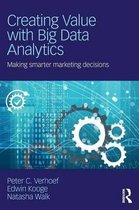
Reading – Book: Verhoef et al.(Ch.1, 2.1-2.5, 3.4, 3.9, 4, 5)
Chapter 1 (required): “Data science and big data”
1.1 INTRODUCTION
The main underlying drivers of the data explosion is the increasing
digitalization of our society, business and marketing.
- Technological developments: increasing data-storage
capacity, analytical capacity, growth of online etc.
- We have seen the development of CRM (Kumar & Reinartz,
2005). This brings the challenge how to analyze all the
available data to create loyal and valuable customers (Verhoef
& Lemon, 2013).
- All this has led to a focus on data science and analytics.
1.2 EXOLOSION OF DATA
In short, there is an explosion in recognition in the need for
understanding and utilizing data.
, M A D S M A D L A D | 33
1.3 DATA SCIENCE BECOMES THE NORM
In 2020 it is estimated that there are around 40 trillion gigabytes of
data. Big data has become the norm and firms understand that they
might be able to compete more effectively in a digital environment
by analyzing these data (Verhoef et al., 2021)
Data Science – general definition: DS is often used as an overall
term that focuses on activities within a firm to extra ct value from
data using analytics.
Data Science – problems:
- Firms struggle to implement an effective DS strategy.
- Public concern on privacy issues (e.g. existence of numerous
global surveillance programs, many run by NSA and Five Eyes
with the cooperation of telecommunication companies and EU
governments)
- Problems with creating value for the firm from
data/implementing successful big data projects
1.4 OBJECTIVES (3 MAIN OBJECTIVES OF THE BOOK)
- Learn how DS can be used to create value.
- Show how specific analytical approaches are required, how
value can be extracted and to develop new growth
opportunities.
- Discuss organizational solutions for development and
organization of the marketing analytical function within firms.
1.5 OUR APPROACH
“We have written a book that aims to provide managers and analysts
with strategic directions, practical data - and analytical solutions on
how to create value from existing and new big data.”
, M A D S M A D L A D | 34
1.6 OVERVIEW OF CHAPTERS
Ch. 2: Discuss our main DS value creation model that will be used as
a guidance for the following chapters.
Ch.3: Value objectives and metrics important in measuring value
creation.
Chapters on Data
Ch.4: Data as an asset.
Ch.5: Data storage and integration.
Ch.6: Privacy and data-security.
Chapters on Analytical Strategies and Techniques
Ch.7: General information on Data Analytics.
Ch.8: Data exploration techniques.
Ch.9: Data modeling techniques.
Ch.10: Communicating and Visualizing results of analysis.
Chapters on Implementation of Data Science
Ch.11: How analysis can be used to create value.
Ch.12: Capabilities and skills a firm needs to develop for DS.
, M A D S M A D L A D | 35
Chapter 2.1-2.5 (required): “Creating value with data science”
2.1 INTRODUCTION
– How can DS create value?
– What elements are required to create value?
2.2 DATA SCIENCE VALUE CREATION MODEL
5 Elements of the Data Value Creation Model:
The model starts with value objectives that have to be set before
developing a DS strategy. The core DS strategy elements are data
assets and analytics, which then lead to value creation. The DS
strategy should be enabled by DS capabilities.
1. Value objectives
2. Data assets
3. Analytics
4. Value creation
5. Capabilities
Week 2 (Readings+Lecture)
Reading – Book: Verhoef et al.(Ch.1, 2.1-2.5, 3.4, 3.9, 4, 5)
Chapter 1 (required): “Data science and big data”
1.1 INTRODUCTION
The main underlying drivers of the data explosion is the increasing
digitalization of our society, business and marketing.
- Technological developments: increasing data-storage
capacity, analytical capacity, growth of online etc.
- We have seen the development of CRM (Kumar & Reinartz,
2005). This brings the challenge how to analyze all the
available data to create loyal and valuable customers (Verhoef
& Lemon, 2013).
- All this has led to a focus on data science and analytics.
1.2 EXOLOSION OF DATA
In short, there is an explosion in recognition in the need for
understanding and utilizing data.
, M A D S M A D L A D | 33
1.3 DATA SCIENCE BECOMES THE NORM
In 2020 it is estimated that there are around 40 trillion gigabytes of
data. Big data has become the norm and firms understand that they
might be able to compete more effectively in a digital environment
by analyzing these data (Verhoef et al., 2021)
Data Science – general definition: DS is often used as an overall
term that focuses on activities within a firm to extra ct value from
data using analytics.
Data Science – problems:
- Firms struggle to implement an effective DS strategy.
- Public concern on privacy issues (e.g. existence of numerous
global surveillance programs, many run by NSA and Five Eyes
with the cooperation of telecommunication companies and EU
governments)
- Problems with creating value for the firm from
data/implementing successful big data projects
1.4 OBJECTIVES (3 MAIN OBJECTIVES OF THE BOOK)
- Learn how DS can be used to create value.
- Show how specific analytical approaches are required, how
value can be extracted and to develop new growth
opportunities.
- Discuss organizational solutions for development and
organization of the marketing analytical function within firms.
1.5 OUR APPROACH
“We have written a book that aims to provide managers and analysts
with strategic directions, practical data - and analytical solutions on
how to create value from existing and new big data.”
, M A D S M A D L A D | 34
1.6 OVERVIEW OF CHAPTERS
Ch. 2: Discuss our main DS value creation model that will be used as
a guidance for the following chapters.
Ch.3: Value objectives and metrics important in measuring value
creation.
Chapters on Data
Ch.4: Data as an asset.
Ch.5: Data storage and integration.
Ch.6: Privacy and data-security.
Chapters on Analytical Strategies and Techniques
Ch.7: General information on Data Analytics.
Ch.8: Data exploration techniques.
Ch.9: Data modeling techniques.
Ch.10: Communicating and Visualizing results of analysis.
Chapters on Implementation of Data Science
Ch.11: How analysis can be used to create value.
Ch.12: Capabilities and skills a firm needs to develop for DS.
, M A D S M A D L A D | 35
Chapter 2.1-2.5 (required): “Creating value with data science”
2.1 INTRODUCTION
– How can DS create value?
– What elements are required to create value?
2.2 DATA SCIENCE VALUE CREATION MODEL
5 Elements of the Data Value Creation Model:
The model starts with value objectives that have to be set before
developing a DS strategy. The core DS strategy elements are data
assets and analytics, which then lead to value creation. The DS
strategy should be enabled by DS capabilities.
1. Value objectives
2. Data assets
3. Analytics
4. Value creation
5. Capabilities