Static Cardiology – NREMT questions and answers latest 2023
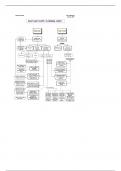
Static Cardiology – NREMT qSinus tach / Stable Routine care -Assess and manage ABCs -O2 maintain SPO2 94% -IV -Monitor 4 & 12 lead -Vitals / SAMPLE / OPQRST - Reassess q 10 minutes End 45y female with dyspnea for one hour. Alert; no JVD; heart regular without murmur; lungs clear. P 113 BP 143/91 RR 16 O2Sat 93% Asystole / Unstable Routine care -Assess and manage ABCs -O2 maintain SPO2 94% -IV -Monitor 4 & 12 lead -Vitals / SAMPLE / OPQRST - Reassess at the beginning of each 2 min cycle Treatment -High quality CPR 30:2 (100-120 BPM) rotating compressors q 2min and -Epinephrine 1:10,000 1mg q 3 - 5 minutes -Consider advanced airway without interrupting CPR Continue this cycle until ROSC Treat underlying causes H's & T's (COLD PATCH) END Middle-aged male found down, no family or bystanders around. Appears to be unresponsive with no obvious signs of trauma. P none RR none SVT / stable Routine care -Maintain and manage ABCs -O2 to maintain SPO2 94% -IV -Monitor 4 & 12 lead -Vitals / SAMPLE / OPQRST - Reasess 5 Treatment -vagal maneuvers -adenosine 6mg rapid IV push followed by 10ml flush -if needed q in 1-2min @ 12mg Treat underlying causes H's & T's (COLD PATCH) END 36 yo female complains of a thumping in her chest and is feeling anxious, alert, no JVD, lungs clear P 180 BP 147/89 RR 18 SpO2 97% SVT / unstable Routine care -Maintain and manage ABCs -O2 to maintain SPO2 94% -IV -Monitor 4 & 12 lead -Vitals / SAMPLE / OPQRST - Reassess 5 min Treatment -Ketamine 1mg/kg -Ativan 1mg -Synchronized cardiovert @ 100 J -Expert consultation Treat underlying causes H's & T's (COLD PATCH) End 71 yo female complains of a thumping in her chest and is feeling anxious, ALOC, no JVD, lungs clear P 180 BP 147/89 RR 27 SpO2 89% 2nd type 2 / unstable Routine care -Maintain and manage ABCs -O2 to maintain SPO2 94% -IV -Monitor 4 & 12 lead -Vitals / SAMPLE / OPQRST - Reassess 5 Treatment -Atropine 1mg IVP -If Atropine is ineffective consider Pacing *set rate at 70 *set mA until both electrical and mechanical capture *Increase 5mA or 10% (manufactures recommendation) -Patient hemodynamic unstable no sedation or pain meds OR Dopamine infusion - 2 - 20mcg/kg/min and titrate to effect OR Epinephrine - 2 - 10mcg/min titrate to effect -consider expert consultation Treat underlying causes H's & T's (COLD PATCH) END Pt complained of lightheadedness earlier today, but is currently sitting up and talking with you in mumbles. ALOC; no JVD, lungs few scattered crackles P 59 BP 81/54 RR 12 SpO2 86% 3rd block / unstable Routine care -Maintain and manage ABCs -O2 to maintain SPO2 94% -IV -Monitor 4 & 12 lead -Vitals / SAMPLE / OPQRST - Reassess 5 Treatment -Atropine 1mg IVP -If Atropine is ineffective consider Pacing *set rate at 70 *set mA until both electrical and mechanical capture *Increase 5mA or 10% (manufactures recommendation) -Patient hemodynamic unstable no sedation or pain meds OR Dopamine infusion - 2 - 20mcg/kg/min and titrate to effect OR Epinephrine - 2 - 10mcg/min titrate to effect -consider expert consultation Treat underlying causes H's & T's (COLD PATCH) END Pt complained of lightheadedness earlier today, but is currently sitting up and talking with you in mumbles. ALOC; no JVD, lungs few scattered crackles P 50 BP 81/54 RR 12 SpO2 86% V-Fib / unstable Routine care -Maintain and manage ABCs -O2 maintain SPO2 94% -IV -Monitor 4 & 12 lead -Vitals / SAMPLE / OPQRST - Reassess at the beginning of each 2 min cycle Treatment -Defibrillation at maximum manufacturers recommended dose q 2minutes -High quality CPR 30:2 (100-120 BPM) rotating compressors q 2min -Epinephrine 1:10,000 1mg q 3 - 5 minutes -Amiodarone first dose 300mg repeat in 4min with 150mg Max 2 total doses Continue this cycle until ROSC Treat underlying causes H's & T's (COLD PATCH) Consider advanced airway at earliest convince without interrupting CPR END Pt you are transporting for cardiac evaluation becomes unresponsive enroute to the medical center. P none RR none MVT stable O2 IV monitor amiodarone 150mg in 50ml D5W, over 10min Q10min PRN end 59y anxious looking male complains of intermittent lightheadedness the past day or two. No lightheadedness currently and he denies any chest discomfort or dyspnea. P 180 BP 139/82 RR 16 SpO2 91% MVT unstable O2 IV monitor versed 2-5mg IV/IO; over 2-5min Q10-15min; <10mg or valium 2mg IV (<2mg/min) 59y diaphoretic male ALOC P 171 BP 93/62 RR 12 SpO2 81% Rhythm: Sinus bradycardia Diagnosis: Coronary artery disease that has caused damage to the electrical conduction system. The patient is unstable. Rx: BSI scene safe oxygen NC 2-4 LPM, maintain O2Sat>90% apply monitor obtain IV access atropine 0.5mg IV/IO 0.5-1.0mg Q5min total of 3mg or 0.04mg/kg Initiate transport TCP if atropine ineffective - a rate of 70 - > mA until capture - > 5 mA or 10% consider if TCP ineffective epinephrine (2-10 mcg/min) dopamine (5-10 mcg/kg/min) infusion Reassess after each intervention Hx: 69yo male complains of lightheadedness when he stands up. Denies chest pain or dyspnea currently. VS: P 50 BP(supine) 100/62 BP(seated) 88/42 RR 16 O2Sat89% PE: alert, cooperative; no JVD; heart slow, you think you might hear a murmur; bibasilar crackles in the lungs; 2mm pedal edema Rhythm: supraventricular tachycardia (SVT) Diagnosis: unstable SVT Rx: BSI Scene safe oxygen NC 2-4 LPM, maintain O2Sat>90% apply monitor obtain IV access provide sedation if it does not delay cardioversion cardiovert 50->100->200->300->360 joules initiate transport reassess after each intervention Hx: 44 yo male complains substernal chest pain and shortness of breath. VS: P 180 BP 105/74 RR 18 O2Sat 91% PE: alert, anxious and diaphoretic; holds right hand over his chest; no JVD; heart tachy; lungs clear Rhythm: Pulseless electrical activity (PEA), slow Diagnosis: reviewing the 6 H's and 6 T's, the most likely cause is drowning (Hypoxia) complicated by alcohol ingestion (Toxin) Rx: BSI Scene safe Call for help, initiate CPR Oxygen 15LPM BVM Intubate or use blind insertion device: 8-10 breaths/minute during continuous chest compressions Attach capnography to ventilation device Attach monitor, check in two leads to confirm asystole Initiate IV or IO Epinephrine 1mg IV/IO Q ea 3-5 minutes May substitute Vasopressin 40 Units IV/IO to replace epinephrine for the first or second dose of epinephrine Reassess after each intervention Is there a DNR? Patch in/follow local protocol when considering termination of resuscitation Hypovolemia Hypoxia Hydrogen ion (acidosis) Hypo/hyperkalemia Hypoglycemia Hypothermia Toxins Tamponade, cardiac Tension pneumothorax Thrombosis, coronary Thrombosis, pulmonary Trauma Hx: 18yo female pulled from the bottom of a swimming pool, bystander CPR initiated VS: CPR produces weak carotid pulse and bilateral breath sounds. Without CPR there is no pulse or respiration. PE: wet young female in swimsuit; vomit next to patient smells of alcohol; no obvious traumauestions and answers latest 2023
Written for
- Institution
- NREMT
- Course
- NREMT
Document information
- Uploaded on
- January 31, 2023
- Number of pages
- 10
- Written in
- 2022/2023
- Type
- Exam (elaborations)
- Contains
- Questions & answers
Subjects
-
static cardiology – nremt questions and answers latest 2023
-
sinus tach stable routine care assess and manage abcs o2 maintain spo2 94 iv monitor 4 amp 12 lead vitals sample opqrst rea

Also available in package deal