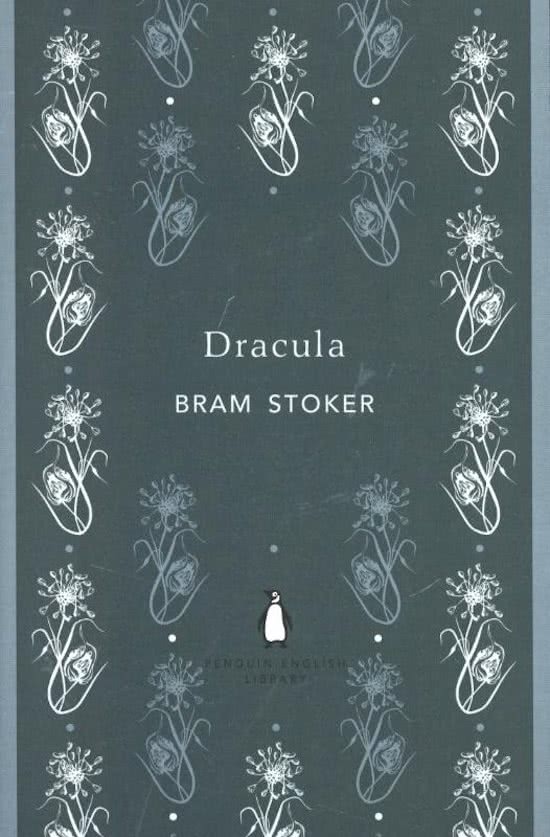
DRACULA 1897
Bram Stoker
- Irish protestant
- Influenced by Celtic tales of vampires, as well as the Gothic vampire
novels which predate “Dracula” such as “The Vampyre” by John William
Polidori
- Stoker spent several years researching European folklore and mytholog-
ical stories of vampires
Frankenstein
- Epistolary style (novel in form of letters/journals)
- Common in early/mid Victorian novels
- Sense of authenticity increases terror
Dracula displays characteristics of a modern novel
- Multiple narratives
- Non-linear timeline (time-skips etc)
- Extracts of different forms/genres (journalistic extracts, telegrams,
ship’s log, doctor’s case notes)
Influence of detective fiction
- Sherlock Holmes “Hound of the Baskervilles” and the escaped wolf in
Dracula
Carol A Senf reads Dracula as a response to the powerful New Woman
Influence of Edgar Allen Poe
- Using cityscapes as Gothic settings rather than remote natural locations
1
, - Pioneer of the Urban Gothic
“The New Woman won’t condescend in future to accept; she will do the
proposing herself. And a nice job she will make of it too!”
- Mina
“I was filled with anxiety for Lucy, not only for her health…but for her rep-
utation”
- Mina
when the curse passes away “the snow is not more stainless than her
forehead!”
- Quincey Morris
Lucy transforms into a “wanton” and “voluptuous” anti-maternal “Bloofer
lady”, goes against the ideals of Victorian womanhood which celebrated
motherhood and propriety
However the restoration of Lucy’s beauty in death suggests her eternal
salvation, an image which is repeated at the end of the novel with the
three vampire women in “repose” with their “souls” presumably saved
This reinforces a comforting Christian vision of the world created by
Stoker for the Victorian reader
Fin de siecle society’s anxieties and fears
- Fear of immigrants, anti-semitism, Dracula’s “aquiline” hooked nose
could suggest a Jewish stereotype, fear of the English bloodline being
‘infected’
- Fear of female sexuality and the New Woman
2
Bram Stoker
- Irish protestant
- Influenced by Celtic tales of vampires, as well as the Gothic vampire
novels which predate “Dracula” such as “The Vampyre” by John William
Polidori
- Stoker spent several years researching European folklore and mytholog-
ical stories of vampires
Frankenstein
- Epistolary style (novel in form of letters/journals)
- Common in early/mid Victorian novels
- Sense of authenticity increases terror
Dracula displays characteristics of a modern novel
- Multiple narratives
- Non-linear timeline (time-skips etc)
- Extracts of different forms/genres (journalistic extracts, telegrams,
ship’s log, doctor’s case notes)
Influence of detective fiction
- Sherlock Holmes “Hound of the Baskervilles” and the escaped wolf in
Dracula
Carol A Senf reads Dracula as a response to the powerful New Woman
Influence of Edgar Allen Poe
- Using cityscapes as Gothic settings rather than remote natural locations
1
, - Pioneer of the Urban Gothic
“The New Woman won’t condescend in future to accept; she will do the
proposing herself. And a nice job she will make of it too!”
- Mina
“I was filled with anxiety for Lucy, not only for her health…but for her rep-
utation”
- Mina
when the curse passes away “the snow is not more stainless than her
forehead!”
- Quincey Morris
Lucy transforms into a “wanton” and “voluptuous” anti-maternal “Bloofer
lady”, goes against the ideals of Victorian womanhood which celebrated
motherhood and propriety
However the restoration of Lucy’s beauty in death suggests her eternal
salvation, an image which is repeated at the end of the novel with the
three vampire women in “repose” with their “souls” presumably saved
This reinforces a comforting Christian vision of the world created by
Stoker for the Victorian reader
Fin de siecle society’s anxieties and fears
- Fear of immigrants, anti-semitism, Dracula’s “aquiline” hooked nose
could suggest a Jewish stereotype, fear of the English bloodline being
‘infected’
- Fear of female sexuality and the New Woman
2