DIRECT AND INDIRECT SPEECH RULES
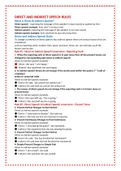
What is Direct & Indirect Speech?
Direct speech - reporting the message of the speaker in exact words as spoken by him.
Direct speech example: Avin said ‘I am busy now’.
Indirect speech: reporting the message of the speaker in our own words
Indirect speech example: Avin said that he was very busy then.
Direct and Indirect Speech Rules
To change a sentence of direct speech into indirect speech there are various factors that are
considered
such as reporting verbs, modals, time, place, pronoun, tense, etc. we will take up all the
factors one by one.
Rule #1 - Direct to Indirect Speech Conversion - Reporting Verb
1. When the reporting verb of direct speech is in past tense then all the present tenses are
changed to corresponding past tense in indirect speech.
Direct to indirect speech example:
● Direct: she said, “I am happy.”
● Indirect: She said (that) she was happy.
2. In indirect speech tenses do not change if the words used within the quotes (“ ”) talk of
a habitual
action or universal truth.
Direct to indirect speech example:
● Direct: He said, “we cannot live without air.”
● Indirect: He said that we cannot live without air.
3. The tenses of direct speech do not change if the reporting verb is in future tense or
present tense.
Direct to indirect speech example:
● Direct: She says/will say, “she is going.”
● Indirect: She says/will say she is going.
Rule #2 - Direct Speech to Indirect Speech conversion - Present Tense
1. Present Perfect Changes to Past Perfect.
Direct to indirect speech example:
● Direct: “I have been to Boston”, She told me.
● Indirect: She told me that she had been to Boston.
2. Present Continuous Changes to Past Continuous
Direct to indirect speech example:
● Direct: “I am playing the guitar”, she explained.
● Indirect: She explained that she was playing the guitar.
3. Present Perfect Changes to Past Perfect
Direct to indirect speech example:
● Direct: He said, “she has finished her homework”.
● Indirect: He said that she had finished her homework.
4. Simple Present Changes to Simple Past
Direct to indirect speech example:
● Direct: “I am unwell”, she said.
● Indirect: She said that she was unwell.
What is Direct & Indirect Speech?
Direct speech - reporting the message of the speaker in exact words as spoken by him.
Direct speech example: Avin said ‘I am busy now’.
Indirect speech: reporting the message of the speaker in our own words
Indirect speech example: Avin said that he was very busy then.
Direct and Indirect Speech Rules
To change a sentence of direct speech into indirect speech there are various factors that are
considered
such as reporting verbs, modals, time, place, pronoun, tense, etc. we will take up all the
factors one by one.
Rule #1 - Direct to Indirect Speech Conversion - Reporting Verb
1. When the reporting verb of direct speech is in past tense then all the present tenses are
changed to corresponding past tense in indirect speech.
Direct to indirect speech example:
● Direct: she said, “I am happy.”
● Indirect: She said (that) she was happy.
2. In indirect speech tenses do not change if the words used within the quotes (“ ”) talk of
a habitual
action or universal truth.
Direct to indirect speech example:
● Direct: He said, “we cannot live without air.”
● Indirect: He said that we cannot live without air.
3. The tenses of direct speech do not change if the reporting verb is in future tense or
present tense.
Direct to indirect speech example:
● Direct: She says/will say, “she is going.”
● Indirect: She says/will say she is going.
Rule #2 - Direct Speech to Indirect Speech conversion - Present Tense
1. Present Perfect Changes to Past Perfect.
Direct to indirect speech example:
● Direct: “I have been to Boston”, She told me.
● Indirect: She told me that she had been to Boston.
2. Present Continuous Changes to Past Continuous
Direct to indirect speech example:
● Direct: “I am playing the guitar”, she explained.
● Indirect: She explained that she was playing the guitar.
3. Present Perfect Changes to Past Perfect
Direct to indirect speech example:
● Direct: He said, “she has finished her homework”.
● Indirect: He said that she had finished her homework.
4. Simple Present Changes to Simple Past
Direct to indirect speech example:
● Direct: “I am unwell”, she said.
● Indirect: She said that she was unwell.